





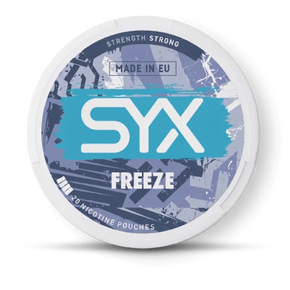







Key advantages of tobacco-free nicotine products in 2026
- Tobacco-free nicotine products eliminate combustion, reducing exposure to harmful chemicals and carcinogens.
- They significantly lower health risks and can help reduce cigarette consumption and cravings.
- No product is risk-free; dependence and minor oral side effects remain considerations.
Finding a credible, less harmful nicotine alternative is one of the most pressing challenges adult smokers face today. Traditional cigarettes carry well-documented health risks, yet quitting cold turkey has notoriously low success rates. Tobacco-free nicotine products, particularly nicotine pouches, have grown rapidly in popularity as a practical middle ground. They offer measurable reductions in harmful chemical exposure, genuine craving relief, and the kind of discreet convenience that fits modern life. This article walks through the evidence-based advantages, the real limitations, and what you should realistically expect when making the switch.
Table of Contents
- What makes tobacco-free nicotine different?
- Reduced health risks compared to traditional tobacco
- How effective are tobacco-free nicotine products for quitting or cutting down?
- Nicotine satisfaction, convenience and everyday benefits
- Potential drawbacks and things to consider
- What most people get wrong about tobacco-free nicotine
- Find your tobacco-free nicotine alternative with HitSnus
- Frequently asked questions
Key Takeaways
| Point | Details |
|---|---|
| Substantially fewer toxicants | Tobacco-free nicotine pouches expose you to far fewer harmful chemicals than smoking or chewing tobacco. |
| Proven harm reduction | Switching to TFNPs offers major reductions in cancer and heart risks, backed by scientific studies and regulatory review. |
| Effective for quitting | High-strength pouches help many users reduce or completely stop cigarette use. |
| Convenient satisfaction | TFNPs deliver nicotine discretely and without smoke, fitting into daily routines and public spaces. |
| Still not risk-free | Nicotine dependence and oral irritation remain concerns, so these products are best for adult smokers seeking harm reduction. |
What makes tobacco-free nicotine different?
Tobacco-free nicotine products (TFNPs) are a distinct category. Unlike cigarettes or traditional snus, they contain no tobacco leaf whatsoever. Instead, they use either synthetically produced nicotine or nicotine purified from tobacco plants, then combine it with food-grade fillers, flavourings, and pH adjusters, all packed into a small pouch you place between your gum and lip.
This matters because most of the serious harm from smoking comes not from nicotine itself, but from burning tobacco. Combustion generates thousands of chemicals, including tar, carbon monoxide, and tobacco-specific nitrosamines (TSNAs). TSNAs are among the most potent carcinogens found in tobacco products. TFNPs sidestep this process entirely.
Key differences from traditional tobacco products include:
- No combustion: No smoke, no tar, no carbon monoxide produced
- No tobacco leaf: Removes the primary source of TSNAs and other carcinogens
- Controlled formulation: Ingredients are measurable and regulated
- Discreet format: No ash, no odour, no visible vapour
As research confirms, lower harmful chemicals are a defining feature of TFNPs, with substantially reduced TSNA levels compared to cigarettes or traditional smokeless tobacco. You can read more about the broader nicotine pouch benefits or explore herbal pouch alternatives if you want a nicotine-free option entirely.
“Tobacco-free nicotine products are not risk-free, but the evidence consistently shows dramatically reduced exposure to the toxicants most responsible for smoking-related disease.”
This is the foundation of the harm reduction argument. Not perfect, but meaningfully better.
Reduced health risks compared to traditional tobacco
With the core differences established, it is important to assess what these changes mean for your health in practical terms.
The most significant benefit is the dramatic reduction in carcinogen and toxicant exposure. When you stop burning tobacco, you remove the primary driver of lung cancer, cardiovascular disease, and chronic obstructive pulmonary disease (COPD). Clinical evidence shows that switching to TFNPs reduces exposure to toxicants and biomarkers associated with cancer, respiratory, and cardiovascular risk.

The regulatory landscape reflects this too. In a landmark decision, the FDA authorised ZYN nicotine pouch products for sale in the United States, citing lower harmful constituent levels and evidence of public health benefit. This was not a rubber stamp. It followed extensive scientific review.
Here is what the evidence supports for smokers who switch:
- Significant reduction in TSNA and carcinogen exposure
- Lower carbon monoxide levels in the body
- Reduced markers of oxidative stress and inflammation
- Comparable reductions in harm to those seen with complete cessation in some biomarker studies
- No secondhand smoke risk to those around you
Pro Tip: When choosing a TFNP, look for products that have undergone regulatory review or independent testing. Regulated products carry far more credibility than unverified alternatives.
It is worth being honest here. Nicotine itself is addictive, and no pouch product eliminates that risk. The question for most smokers is not “zero risk” versus “some risk” but rather “high risk” versus “substantially lower risk.” For a direct comparison, see how nicotine pouches compare to cigarettes and how they stack up against vaping. You can also review practical nicotine pouch safety tips to use them responsibly.
How effective are tobacco-free nicotine products for quitting or cutting down?
Understanding risk reduction is crucial, but the next step is knowing whether TFNPs actually help users change their behaviour.
Clinical trial data gives us a clearer picture. In a controlled study, both 3mg and 6mg TFNPs significantly reduced daily cigarette use, with the 6mg strength achieving a 13% abstinence rate at follow-up. That is not a transformative quit rate, but it is meaningful, particularly for heavy smokers who have struggled with other methods.
| Pouch strength | Average cigarette reduction | Abstinence rate |
|---|---|---|
| 3mg TFNP | Moderate reduction | ~7% |
| 6mg TFNP | Substantial reduction | ~13% |
| No intervention | Minimal change | ~2-3% |
What this tells us is that higher-strength pouches tend to deliver better outcomes, likely because they more closely match the nicotine delivery smokers are accustomed to. The satisfaction threshold matters.
Key takeaways from the clinical evidence:
- Most users experience meaningful reduction in daily cigarette count
- A minority achieve full abstinence, particularly at higher strengths
- TFNPs work best as part of a deliberate reduction strategy, not as a passive swap
- User preference for flavour and format increases consistency of use
For a broader look at how pouches compare to other cessation tools, the comparison between pouches versus patches and gum is worth reading, as is the guide on nicotine methods for cutting down.
Nicotine satisfaction, convenience and everyday benefits
Having considered clinical outcomes, it is important to highlight why tobacco-free nicotine fits modern lifestyles so naturally.
Nicotine pouches work via buccal absorption, meaning nicotine passes through the lining of your mouth directly into the bloodstream. This delivers a steady, sustained nicotine release rather than the sharp spike you get from a cigarette. Research confirms that nicotine pouches deliver comparable total nicotine exposure to cigarettes via slower, sustained absorption, which helps manage cravings without the drawbacks of smoking.
| Method | Speed of effect | Duration | Smoke/vapour | Social discretion |
|---|---|---|---|---|
| Cigarette | Very fast (seconds) | Short | Yes | Low |
| Vape | Fast (seconds) | Short to medium | Vapour | Medium |
| Nicotine pouch | Moderate (~10 min) | Long (~30-60 min) | No | Very high |
| Patch | Slow (hours) | Very long | No | High |
The practical advantages stack up quickly. You can use a pouch in a meeting, on a flight, in a restaurant, or anywhere smoking or vaping is prohibited. There is no ash, no lingering smell on your clothes, and no need to step outside. For many users, this alone is a compelling reason to switch.
TFNPs also carry less social stigma than smoking or even vaping in many settings. Nobody around you is affected by secondhand exposure. The format is invisible under your lip.
Pro Tip: If you are new to pouches, start with a moderate strength such as 4mg to 6mg and give yourself 10 to 15 minutes to feel the effect before reaching for another. Rushing the process is the most common beginner mistake.
For a full breakdown of smokeless options by satisfaction and delivery speed, the guide on best smokeless nicotine covers the field well.
Potential drawbacks and things to consider
While there are many advantages, no solution is perfect, and users should weigh these potential downsides carefully before committing.
The most important thing to acknowledge is that nicotine dependence remains a real risk with TFNPs. Switching from cigarettes to pouches may reduce physical harm, but it does not necessarily reduce your dependence on nicotine. For some users, that is an acceptable trade-off. For others, it may simply shift the addiction.
Oral side effects are also worth noting. Some users experience:
- Gum irritation or soreness, particularly in the early days
- Hiccups or nausea at higher strengths, especially for new users
- Dry mouth with prolonged or frequent use
- Tingling or burning sensation under the lip
These effects are generally mild and temporary, but they are real. Research confirms that while TFNPs carry lower toxicant exposure, nicotine addiction and possible gum irritation remain genuine concerns.
There is also a broader public health debate worth acknowledging. Critics worry that the appeal of flavoured pouches may attract non-smokers or younger adults who would not otherwise use nicotine products. This is a legitimate concern. TFNPs are designed for adult smokers seeking harm reduction, not as an entry point for new nicotine users.
“Harm reduction is not harm elimination. The goal is to move users down the risk spectrum, not to create a new population of nicotine-dependent individuals.”
For a grounded look at the safety picture in the UK context, the article on nicotine pouch safety facts is a useful reference. The oral health considerations from MD Anderson Cancer Centre also provide a credible clinical perspective.
What most people get wrong about tobacco-free nicotine
Most of the public debate around TFNPs gets stuck in a binary: either they are safe, or they are not. That framing misses the point entirely.
Nicotine products exist on a spectrum of risk. Cigarettes sit at the most harmful end. Complete abstinence sits at the other. TFNPs occupy a meaningful position in between, and that position has real value for millions of smokers who cannot or will not quit cold turkey.
The mistake is expecting TFNPs to be a magic solution. They are a transitional tool. Used deliberately, they can help you step down your harm exposure while managing cravings in a way that patches and gum often fail to do. The tobacco alternatives advantages are real, but they require realistic expectations.
What actually works is a gradual approach. Start with a strength that satisfies your cravings, use pouches consistently in place of cigarettes, and reassess your usage every few weeks. Users who treat this as a structured reduction programme tend to see far better outcomes than those who use pouches alongside continued smoking.
The evidence supports TFNPs as a harm reduction tool, not a cure. Accepting that distinction is the first step towards using them effectively.
Find your tobacco-free nicotine alternative with HitSnus
If the evidence has convinced you that tobacco-free nicotine is worth exploring, the next step is finding products you can actually trust.
At HitSnus, we stock a wide range of regulated, high-quality nicotine pouches from leading brands including ZYN, Velo, and FUMI, available in multiple strengths and flavours to suit your preferences. Whether you are making your first switch from cigarettes or looking to step down your nicotine intake further, our catalogue is built to support your journey. Browse by strength, flavour, or brand, and find the option that fits your lifestyle with confidence.
Frequently asked questions
Are tobacco-free nicotine products safer than cigarettes?
Yes, they contain far fewer harmful chemicals and significantly reduce health risks compared to smoking, though they are not completely risk-free due to nicotine’s addictive nature.
Can tobacco-free nicotine pouches help me quit smoking?
Clinical studies show they can help reduce or stop smoking, with higher strength pouches achieving around 13% abstinence rates and meaningful cigarette reduction for many users.
How long do nicotine pouches take to work?
They begin providing craving relief within roughly 10 minutes and offer a sustained effect, as TFNPs deliver nicotine gradually over approximately 30 to 60 minutes, unlike the rapid spike from smoking.
Are there any risks with tobacco-free nicotine?
The main risks include nicotine dependence and mild oral irritation. However, lower toxicant exposure means the major health hazards associated with smoking are substantially reduced.