












Is Nicotine Pouch Safe? The Facts for UK Users
Switching from cigarettes to smokeless options can raise plenty of questions, especially when everyone seems to have an opinion. For UK smokers exploring alternatives, understanding the true nature of nicotine pouches is vital. These discreet products offer a tobacco-free way to consume nicotine, sparking debates about safety and addictiveness. This article untangles the common myths, product types, and actual health risks, giving you the facts needed to make an informed choice about nicotine pouches.
Table of Contents
- Nicotine Pouches Explained And Common Myths
- Popular Pouch Types And Nicotine Strengths
- How Nicotine Pouches Deliver Effects
- Uk Laws And Safety Regulations In 2026
- Potential Health Risks And User Safety
- Comparing Pouches To Smoking And Vaping
Key Takeaways
| Point | Details |
|---|---|
| Nicotine Pouches Offer a Smokeless Alternative | These products provide a discreet way to consume nicotine without tobacco, but they are not without health risks. |
| Regulation Is Evolving | New UK laws are anticipated to address age restrictions, marketing controls, and product safety for nicotine pouches. |
| Potential Health Risks Exist | Users should be aware of possible gum irritation, addiction, and other health implications; monitoring usage and consulting professionals is advised. |
| Comparison to Traditional Methods | Nicotine pouches present fewer risks than smoking due to the absence of combustion, making them a more discreet option for nicotine delivery. |
Nicotine pouches explained and common myths
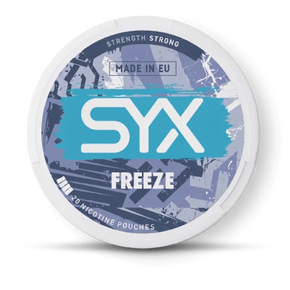
Nicotine pouches are pre-portioned sachets containing nicotine that are placed discreetly between the lip and gum for absorption. Unlike traditional tobacco products, these small pouches offer a smokeless alternative for nicotine consumption.
The Committee on Toxicity provides crucial insights into these products, explaining that nicotine pouches differ from traditional smokeless tobacco in several key ways:
- They do not contain tobacco leaf
- Nicotine can be derived from synthetic or tobacco sources
- Designed for direct oral absorption without combustion
Common misconceptions about nicotine pouches persist, particularly around their safety and addictive potential. Research indicates that while these products may present fewer risks compared to smoking, they are not without potential health implications.
Key myths about nicotine pouches include:
- Believing they are completely harmless
- Assuming they have no addiction potential
- Thinking they are equivalent to other nicotine replacement therapies
The emerging evidence suggests that nicotine pouches are a rapidly evolving product category. Youth awareness studies in England highlight the importance of understanding their actual risks and not underestimating their potential health impacts.
Pro tip: Always consult healthcare professionals and conduct thorough personal research before introducing any new nicotine product into your lifestyle.
Popular pouch types and nicotine strengths
Nicotine pouches in the United Kingdom represent a diverse and rapidly evolving product category, with multiple variations designed to suit different user preferences. Research from King’s College London highlights the expansive range of options available to consumers, including variations in nicotine content, flavour profiles, and pouch sizes.
The most common pouch types in the UK market include:
- Regular pouches: Standard sized products suitable for most users
- Slim pouches: Thinner design offering more discreet usage
- Mini pouches: Smallest variant, providing ultra-compact nicotine delivery
Nicotine strength varies significantly across different brands and products. Tobacco Control studies reveal a remarkable range of nicotine concentrations, from mild options around 1.79 mg to potent variants reaching up to 47.5 mg per pouch, with some extreme products containing up to 97.5 mg.
Popular brands like Nordic Spirit, Velo, and On! offer multiple strength levels to accommodate different user needs:
- Low-strength pouches (1-4 mg): Ideal for beginners
- Medium-strength pouches (4-8 mg): Suitable for occasional users
- High-strength pouches (8-15 mg): Designed for experienced users
- Extra-strong pouches (15-50 mg): For advanced consumers
Pro tip: Always start with the lowest nicotine strength and gradually progress to higher concentrations to understand your personal tolerance and comfort level.
How nicotine pouches deliver effects
Nicotine pouches provide a unique method of nicotine delivery that differs significantly from traditional smoking methods. Oral mucosa absorption mechanisms enable these products to transfer nicotine directly into the bloodstream through the sensitive tissues inside the mouth.
The delivery process involves several key steps:
- Placement of the pouch between the upper lip and gum
- Dissolution of nicotine in saliva
- Direct absorption through oral mucous membranes
- Rapid nicotine entry into the bloodstream
Unlike traditional tobacco products, nicotine pouches eliminate exposure to harmful combustion byproducts. Tobacco Control research indicates that the bioavailability of nicotine depends on several critical factors, including:
- Nicotine concentration in the pouch
- Individual user’s oral pH levels
- Duration of pouch placement
- Specific product formulation
The absorption mechanism allows for a controlled and relatively consistent nicotine experience. Users can typically expect a gradual release of nicotine, with peak absorption occurring within 10-30 minutes after placement. This method provides a discreet alternative to smoking, with minimal oral irritation and no smoke or vapour production.

This summary highlights factors influencing the effects of nicotine pouches:
| Factor Influencing Effects | Impact on User Experience | Possible Variations |
|---|---|---|
| Nicotine strength | Alters intensity of effects | Mild to very strong pouches |
| Pouch placement duration | Changes absorption speed | 10–30 minutes recommended |
| Oral pH level | Affects absorption efficiency | Individual variance |
| Product formulation | Modifies release profile | Brand and type differences |
Pro tip: Position the nicotine pouch carefully between your upper lip and gum, and avoid moving it around too much to ensure consistent nicotine absorption.
UK laws and safety regulations in 2026
Nicotine pouch regulation in the United Kingdom is rapidly evolving, with significant legislative changes anticipated in the near future. Parliamentary consultations indicate that current legal frameworks do not comprehensively address these emerging nicotine products, creating an urgent need for targeted regulation.
Key proposed regulatory developments include:
- Minimum age restrictions for purchase
- Control of marketing practices
- Standardised product safety requirements
- Restrictions on nicotine concentration levels
The Tobacco and Vapes Bill represents a critical milestone in establishing comprehensive oversight. The legislation aims to protect public health while recognising nicotine pouches as a potential harm reduction tool for smokers seeking alternatives.
Specific regulatory considerations for 2026 are expected to encompass:
- Prohibiting sales to individuals under 18 years old
- Implementing strict product content controls
- Establishing maximum nicotine strength limitations
- Requiring transparent labelling and health warnings
- Monitoring and reporting product safety data
Pro tip: Stay informed about evolving regulations by regularly checking official government publications and reputable health guidance websites.
Potential health risks and user safety
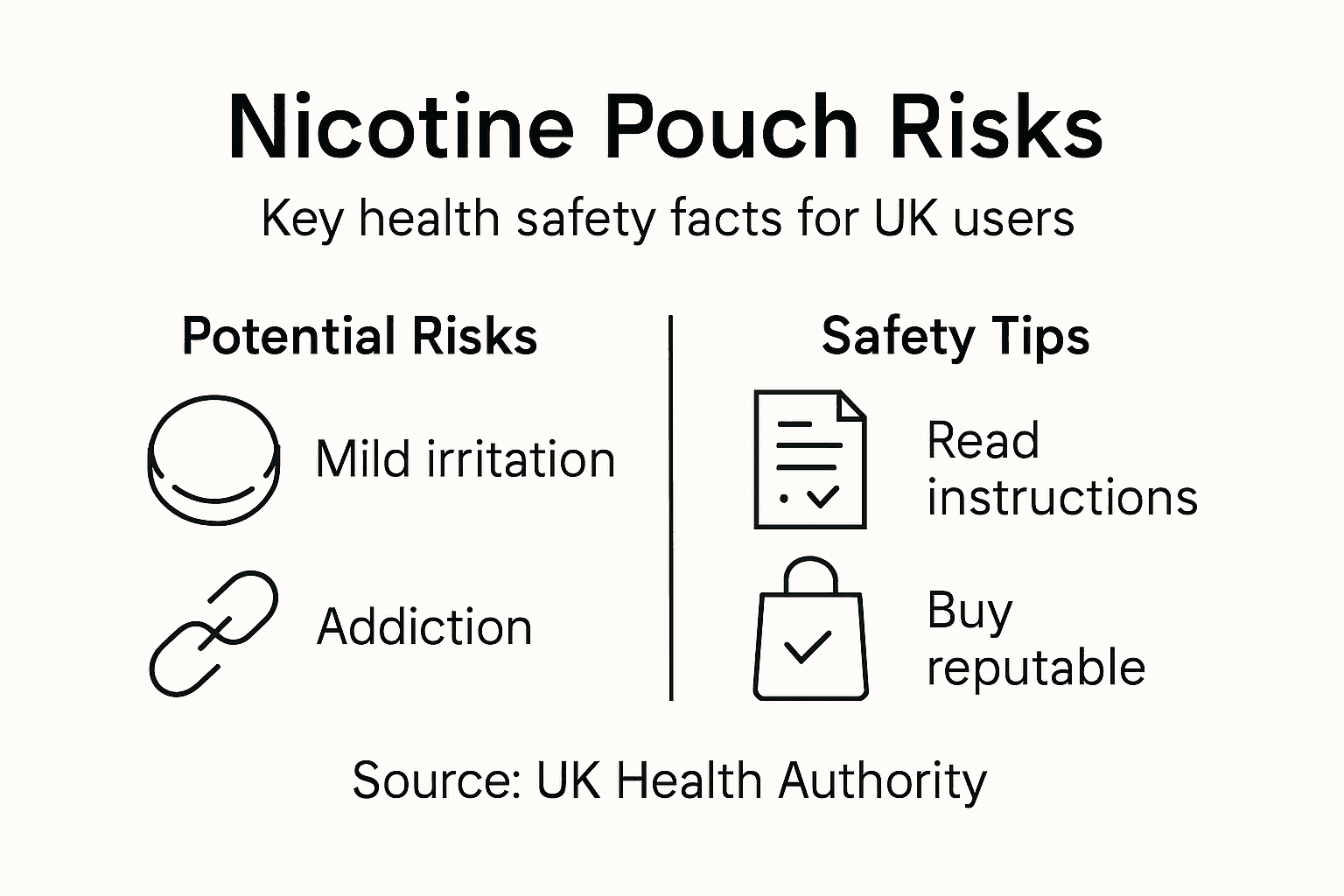
Nicotine pouches represent a relatively new product category with emerging health considerations that require careful examination. Research from National Centre for Social Research highlights several potential physiological impacts users should understand.
Key potential health risks include:
- Gum irritation and potential tissue damage
- Mouth sensitivity and inflammation
- Potential cardiovascular strain from nicotine absorption
- Risk of nicotine dependency
Action on Smoking and Health (ASH) emphasises the critical need for comprehensive user safety guidelines. The most significant concerns centre around unregulated usage, particularly among younger demographics.
Medical experts recommend considering these safety precautions:
- Limit daily nicotine pouch consumption
- Monitor individual tolerance levels
- Rotate placement sites to prevent oral tissue damage
- Stay hydrated during usage
- Consult healthcare professionals about potential interactions
Pro tip: Always purchase nicotine pouches from reputable sources and carefully read product instructions to minimise potential health risks.
Comparing pouches to smoking and vaping
Harm reduction strategies in nicotine consumption are evolving, with nicotine pouches emerging as a potentially safer alternative. UK officials acknowledge that these products eliminate many harmful substances associated with traditional smoking.
Key comparative differences include:
- No combustion or smoke inhalation
- Absence of tar and carbon monoxide
- Reduced exposure to carcinogenic chemicals
- More discreet and socially acceptable consumption
UCL research highlights significant distinctions between nicotine delivery methods:
Here is a structured comparison of nicotine delivery methods to clarify their unique characteristics and risks:
| Method | Key Risk Factors | Discreetness | Residual Odour |
|---|---|---|---|
| Cigarettes | High carcinogen exposure | Low | Strong smell |
| Vaping | Potential lung irritation | Moderate | Mild aroma |
| Nicotine Pouches | Oral irritation, dependence | High | No odour |
- Cigarettes: Highest health risks due to combustion
- Vaping: Potential respiratory concerns from vapor
- Nicotine pouches: Lowest known health impact
While nicotine pouches represent a reduced-risk option, they are not entirely risk-free. Users should remain mindful of potential nicotine-related health implications and individual physiological responses.
Pro tip: Consult healthcare professionals to understand your personal risk profile and determine the most appropriate nicotine consumption method for your specific health circumstances.
Discover Safer Nicotine Choices with Confidence
If you are navigating the complexities of nicotine pouch safety and seeking a discreet, controlled way to enjoy nicotine, understanding product strengths and varieties is essential. Hitsnus.com offers a wide selection of nicotine pouches designed to help you manage intake effectively while reducing health risks linked to conventional smoking. Explore options like our Regular Nicotine Strength collection to find a starting point tailored to your individual tolerance and preferences.
Take control of your nicotine experience today by browsing trusted brands and high-quality products at Hitsnus.com. With detailed descriptions and helpful usage tips, you can make informed decisions that align with your safety and wellness goals. Visit our DOPE Nicotine Pouches – Bold Flavors, No Tobacco section to explore bold tobacco-free alternatives that add flavour without compromise. Act now for a stylish and safer way to enjoy nicotine with guidance you can trust.
Frequently Asked Questions
Is it safe to use nicotine pouches?
While nicotine pouches may present fewer health risks compared to traditional smoking, they are not without potential health implications such as gum irritation and risk of nicotine dependency. It’s essential to be mindful of personal health and usage.
How do nicotine pouches work?
Nicotine pouches deliver nicotine through oral absorption. Users place the pouch between the lip and gum, where nicotine dissolves in saliva and is absorbed directly into the bloodstream, providing a discreet and smokeless method of consumption.
What are the different strengths of nicotine pouches?
Nicotine pouches come in various strengths, ranging from low (1-4 mg) suitable for beginners, to extra-strong options (15-50 mg) designed for experienced users. It’s advisable to start with a lower strength to gauge personal tolerance.
How do nicotine pouches compare to smoking and vaping?
Nicotine pouches eliminate the harmful combustion byproducts associated with smoking and do not produce vapour like e-cigarettes. They are considered more discreet and may have lower associated health risks, but users should still be conscious of potential oral irritation and dependency.