













Why choose oral nicotine: a 2026 guide for adults
TL;DR:
- Oral nicotine pouches are tobacco-free sachets placed under the lip that deliver nicotine without smoke or vapor, offering a less harmful alternative to smoking. They reduce exposure to toxic chemicals, are discreet, and come in various strengths and flavors suitable for different users, but they still pose dependence risks and require safe storage. Transitioning effectively involves full replacement of cigarettes, starting with lower strengths, and setting limits to prevent dependence and adverse effects.
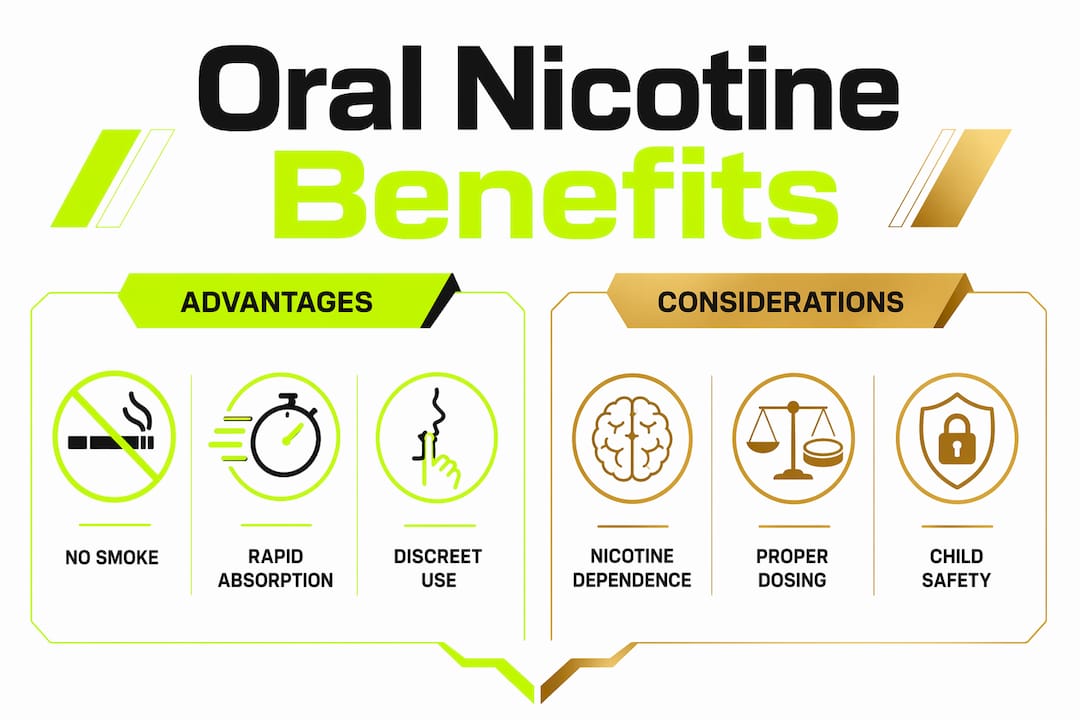
Oral nicotine pouches are small, tobacco-free sachets placed under the lip that deliver nicotine directly through the mouth lining, offering a smoke-free and vapour-free alternative to cigarettes and vapes. The industry term is “nicotine pouches,” though “oral nicotine” is widely used to describe the broader category. Understanding why choose oral nicotine matters if you are an adult smoker or vaper looking for a discreet, potentially less harmful way to manage your nicotine intake. Brands like ZYN, Velo, and FUMI have made this format mainstream, and 2026 evidence now gives us a clearer picture of both the benefits and the risks.
Why choose oral nicotine over smoking or vaping?
Oral nicotine pouches are ranked as a less harmful alternative to smoking, second only to medical nicotine replacement therapy (NRT) such as patches and gums. That single finding is the strongest reason to consider switching. Combustible cigarettes expose you to thousands of toxic chemicals produced by burning tobacco leaf. Nicotine pouches remove combustion entirely, which is where the majority of smoking-related harm originates.
The oral nicotine advantages extend beyond health. Pouches produce no smoke and no vapour, so you can use them in offices, on public transport, and in other smoke-free spaces without affecting the people around you. ZYN and Velo, two of the most widely stocked brands at Hitsnus, are available in a range of flavours and strengths precisely because different users need different doses and experiences. That flexibility is something neither a cigarette nor a standard NRT patch can easily match.
How do oral nicotine pouches work?
Nicotine absorption through the mouth lining
When you place a pouch between your upper lip and gum, nicotine is absorbed through the oral mucosa, the soft tissue lining your mouth. This process is faster than a patch, which works transdermally over hours, but slower than a cigarette, which delivers nicotine to the brain within seconds of inhalation. The practical result is a noticeable nicotine effect within a few minutes, without any smoke, ash, or device.

Nicotine absorption from pouches is rapid enough to reach the bloodstream within minutes, which creates a short reward cycle. That speed is useful for managing cravings, but it also means the potential for repeated dosing is real. Understanding this helps you use pouches deliberately rather than habitually.
How pouches compare with cigarettes and vapes
Cigarettes deliver nicotine via combustion, producing carbon monoxide, tar, and over 70 known carcinogens. Vapes heat a liquid to produce an aerosol, removing combustion but still introducing inhaled particles into the lungs. Nicotine pouches bypass the respiratory system entirely. There is no inhalation at all. For users with respiratory concerns, or those who simply want to avoid anything entering their lungs, this is a meaningful oral nicotine advantage.
Pro Tip: If you are switching from vaping, start with a mid-strength pouch (around 6mg) rather than jumping to a high-strength product. The absorption rate differs from vaping, and matching your dose carefully reduces the risk of taking in more nicotine than you intend.
What are the main benefits of oral nicotine pouches?
Switching completely from combustible tobacco to nicotine pouches may substantially reduce your exposure to carcinogens, though long-term evidence is still accumulating. The key word is “completely.” Partial use alongside cigarettes reduces the benefit significantly. With that caveat clearly stated, the benefits of oral nicotine for a full switcher are substantial.
Here are the primary advantages documented in 2026 research and clinical guidance:
- Reduced chemical exposure. No combustion means no tar, no carbon monoxide, and no smoke-related carcinogens entering your body.
- No second-hand smoke or vapour. Bystanders, including children and colleagues, are not exposed to any airborne substances. This is one of the clearest social benefits of pouches compared with smoking or vaping.
- Discreet and socially convenient. Pouches are invisible once placed under the lip. You can use them during a meeting, on a flight, or in a restaurant without drawing attention.
- Wide product variety. Nicotine strengths range from around 1.5mg for light users up to 20mg or more for heavy smokers. Flavours span mint, citrus, berry, and coffee, making the experience more pleasant than a nicotine gum.
- No oral tobacco. Unlike traditional Scandinavian snus, modern nicotine pouches contain no tobacco leaf. This removes the tobacco-specific nitrosamines associated with oral cancer risk in snus users.
“Harm reduction is the core rationale for choosing oral nicotine. Nicotine dependence remains, but exposure to smoke toxicants reduces significantly with full switching.” — The Pharmaceutical Journal, 2026
You can explore the full benefits case in more detail if you want a deeper comparison before making a decision.
What are the risks and considerations?
Oral nicotine pouches are not risk-free. A balanced view requires acknowledging several real concerns before you commit to using them.
- Nicotine dependence. Rapid nicotine delivery creates a short reward cycle that increases reliance potential compared with patches. If you are using pouches to quit nicotine entirely rather than just quit smoking, be aware that dependence can transfer.
- Oral mucosal irritation. Some users experience gum soreness, mouth ulcers, or mild gum recession, particularly when using high-strength products or placing pouches in the same spot repeatedly.
- Overdose risk. Nicotine strength varies widely, from 1.5mg to over 30mg per pouch, with some products exceeding 100mg. Using multiple pouches in quick succession, especially at high strengths, can cause nausea, dizziness, and palpitations.
- Child safety. Nicotine poisoning can cause severe symptoms including seizures and, in extreme cases, death. Children under six account for nearly 90% of poison control calls related to nicotine products. Store all pouches in locked or child-resistant containers, out of reach.
- Limited long-term data. Nicotine pouches are a relatively recent product category. Researchers are still gathering data on long-term oral health outcomes and cancer risk profiles.
| Risk | Severity | Mitigation |
|---|---|---|
| Nicotine dependence | Moderate | Use lowest effective strength; set a daily limit |
| Oral irritation | Low to moderate | Rotate placement; avoid prolonged contact in one spot |
| Overdose from high-strength products | Moderate | Check mg per pouch; follow safe dosing guidance |
| Child poisoning | High if unsecured | Use child-resistant storage at all times |
Pro Tip: The Mayo Clinic recommends no more than 20 nicotine lozenges per day for adults, with no more than 5 in any six-hour period. Apply the same discipline to pouches, particularly when you are new to the format.
For a detailed look at how pouches affect your gums and mouth tissue, the Hitsnus guide on nicotine pouches and oral health is worth reading before you start.
How does nicotine strength affect your experience?
Product variation is one of the most underestimated factors in oral nicotine use. Choosing the wrong strength is the single most common mistake new users make, and it drives both unpleasant side effects and unintentional dependence escalation.
Nicotine content in pouches typically falls into three bands:
- Low (1.5mg to 4mg): Suited to light smokers or those reducing their intake. These are also the safest starting point for anyone new to pouches.
- Medium (6mg to 12mg): The most popular range for regular smokers switching from a pack-a-day habit. ZYN 6mg and Velo 10mg sit in this band.
- High (14mg to 30mg+): Intended for heavy smokers or experienced pouch users. Some products on the market exceed 100mg, which represents a serious overdose risk if misused.
Responsible use starts at low strengths and limits total daily exposure to avoid unintentional tolerance build-up. The convenience of pouches, which you can use anywhere without preparation, also increases the risk of unstructured repeated dosing. Setting a conscious daily limit before you start is not overcautious. It is simply good practice. You can compare pouch strengths in detail to find the right match for your current habit.
What practical steps should you take when switching?
Switching from cigarettes or vapes to oral nicotine pouches works best as a structured process rather than an impulsive swap. Follow these steps to give yourself the best chance of a clean transition:
- Assess your current intake. Count how many cigarettes or vape sessions you have per day. This tells you roughly how much nicotine you are consuming and helps you choose an equivalent pouch strength.
- Start one strength below your estimate. Most people overestimate how much nicotine they need in pouch form because absorption is slower than smoking. Starting lower avoids nausea and reduces the risk of increasing dependence.
- Replace, do not supplement. Complete switching is necessary to fully realise harm reduction benefits. Using pouches alongside cigarettes undermines the entire rationale.
- Store products safely. Keep pouches in their original sealed tins, away from children and pets. Dispose of used pouches in the bin, not on the floor or in reach of young children.
- Monitor for side effects. Gum soreness, headaches, or persistent nausea are signals to reduce strength or frequency. If symptoms persist, speak to a pharmacist or GP.
- Set a review date. After four weeks, assess whether you are still smoking at all, whether your pouch use is stable or increasing, and whether you want to step down to a lower strength.
Pro Tip: The Hitsnus step-by-step guide on switching to nicotine pouches walks through this process in more detail, including how to handle cravings in the first week.
Key takeaways
Oral nicotine pouches offer a meaningful harm reduction pathway for adult smokers, but only when used as a complete replacement for combustible tobacco rather than an addition to it.
| Point | Details |
|---|---|
| Harm reduction requires full switching | Using pouches alongside cigarettes significantly reduces the health benefit. |
| Nicotine dependence remains a risk | Rapid absorption creates a short reward cycle; set a daily pouch limit from the start. |
| Strength selection is critical | Start low (1.5mg to 4mg) and increase only if cravings are unmanaged. |
| Child safety is non-negotiable | Store all products in child-resistant containers; nicotine poisoning in children can be fatal. |
| Long-term evidence is still developing | Current data supports reduced carcinogen exposure, but ongoing monitoring is needed. |
Oral nicotine pouches: what the evidence actually tells us
I have spent a long time reading the research on nicotine harm reduction, and the honest conclusion is this: nicotine pouches are a genuinely useful tool for adult smokers who want to stop burning tobacco, but they are not a neutral product. The harm reduction case is real and well-supported by bodies like the Royal College of Physicians. The risk of simply transferring your dependence to a new format is equally real.
What concerns me most is the framing I see in some corners of the internet, where pouches are presented as essentially harmless because they contain no tobacco. That is not what the evidence says. Nicotine itself drives dependence, and the rapid absorption profile of pouches means the reward cycle is shorter and more frequent than a patch. For someone who genuinely wants to reduce their overall nicotine intake over time, that matters.
The users I think benefit most from pouches are those who have a clear goal: stop smoking entirely, use pouches as the bridge, then step down in strength over six to twelve months. That structured approach is very different from picking up a tin of high-strength pouches and using them indefinitely without a plan. The product is not the problem. The absence of a plan usually is.
— Fabio
Find quality nicotine pouches at Hitsnus
Hitsnus stocks a wide range of tobacco-free nicotine pouches from trusted brands including ZYN, Velo, and FUMI, covering strengths from 1.5mg up to high-dose options for experienced users. Every order is delivered discreetly and quickly across the UK, so you can start your switch without delay. Whether you are new to pouches or looking to refine your strength choice, the full range at Hitsnus gives you the variety to find what works for you. Browse by brand, flavour, or nicotine strength, and make an informed choice backed by the guidance in this article.
FAQ
What are oral nicotine pouches?
Oral nicotine pouches are small, tobacco-free sachets placed under the lip that deliver nicotine through the mouth lining. They produce no smoke or vapour and are available in a range of strengths and flavours.
Is oral nicotine safer than smoking?
Nicotine pouches are ranked as less harmful than smoking, second only to medical NRT. The key benefit comes from eliminating combustion, which removes exposure to tar, carbon monoxide, and most carcinogens.
Can nicotine pouches help you quit smoking?
Complete switching from cigarettes to nicotine pouches may substantially reduce carcinogen exposure, but using both products simultaneously undermines this benefit. A structured step-down plan is the most effective approach.
How do I choose the right nicotine strength?
Start one band below your estimated equivalent from smoking. Light smokers should begin at 1.5mg to 4mg; regular pack-a-day smokers typically match well with 6mg to 10mg. Avoid high-strength products until you understand how your body responds.
Are nicotine pouches safe around children?
No nicotine product is safe around children. Nicotine poisoning can cause seizures and is potentially fatal in small children. Store all pouches in child-resistant containers and dispose of used pouches immediately and securely.