


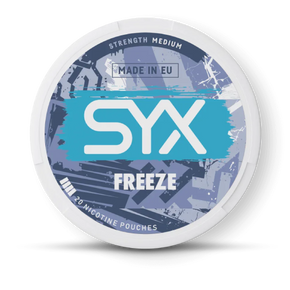


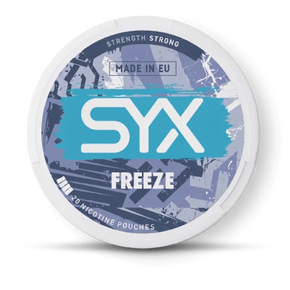


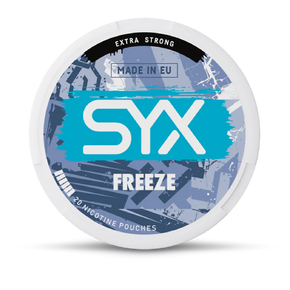




Compare nicotine pouch strengths for tailored use
Choosing the right nicotine pouch strength can feel overwhelming when you’re faced with options ranging from mild 3mg to intense 15mg+ products. Understanding how different strengths affect your body and which suits your nicotine tolerance is essential for both satisfaction and responsible consumption. This guide breaks down the criteria, options, and science behind nicotine pouch strengths to help you make an informed decision that matches your needs and lifestyle.
Table of Contents
- How To Evaluate Nicotine Pouch Strengths: Key Criteria
- Overview Of Nicotine Pouch Strength Options
- Nicotine Absorption And Pharmacokinetics Compared Across Pouch Strengths
- Comparing Popular Nicotine Pouch Brands By Strength And Effect
- How To Decide The Right Nicotine Pouch Strength For You
- Explore High-Quality Nicotine Pouches At Hitsnus
Key takeaways
| Point | Details |
|---|---|
| Nicotine content varies widely | Pouch strengths typically range from 3mg to 15mg per pouch, with some brands offering even higher options. |
| Actual absorption is lower | Your body absorbs only 10% to 30% of the nicotine listed on the label. |
| Absorption differs from cigarettes | Pouches reach peak nicotine levels slower (20-65 minutes) compared to cigarettes (5-8 minutes). |
| Tolerance guides choice | Nicotine pouch strength should be chosen based on nicotine tolerance and current usage habits. |
| Free nicotine affects intensity | Higher free nicotine levels accelerate absorption and create more pronounced effects. |
How to evaluate nicotine pouch strengths: key criteria
Before diving into specific strength options, you need to understand the factors that determine how a pouch will affect you. Nicotine tolerance stands as the most critical consideration when selecting nicotine pouch strength. Your body’s current nicotine dependence, shaped by smoking or vaping habits, directly influences which strength delivers satisfaction without overwhelming effects.
Absorption rate varies significantly among individuals based on several physiological factors. The nicotine content listed on packaging represents total nicotine present, but your body uptakes only a fraction of that amount. Saliva production, mouth pH, and pouch placement all influence how much nicotine enters your bloodstream.
Free nicotine levels within the pouch determine both intensity and onset speed of effects. Products with higher free nicotine content deliver faster, more pronounced sensations. This differs from total nicotine content and explains why two pouches with identical mg ratings can feel remarkably different.
Pro Tip: If you’re transitioning from cigarettes, consider your daily smoking volume. A pack-a-day smoker typically needs medium to high strength pouches, whilst occasional smokers often find low strengths sufficient.
Key criteria to assess:
- Current nicotine tolerance from smoking, vaping, or previous pouch use
- Desired satisfaction level and speed of nicotine delivery
- Usage frequency throughout the day
- Body weight and metabolism affecting absorption rates
- Previous reactions to different nicotine products
Understanding the difference between mild vs strong nicotine pouches helps you avoid the common mistake of starting too high or too low. Placement under your upper lip and duration of use further modify absorption, giving you additional control over intake.
Overview of nicotine pouch strength options
Nicotine pouches segment into three primary strength categories, each serving distinct user profiles and tolerance levels. This classification helps simplify selection and ensures you match product intensity to your needs.
Low strength pouches (3mg to 6mg) suit individuals with minimal nicotine tolerance or those seeking gradual intake control. Light smokers, occasional vapers, or users stepping down from higher nicotine products find this range ideal. Brands like ALP and some ZYN variants offer these gentler options. These pouches deliver subtle satisfaction without the intense rush that higher strengths provide.
Medium strength pouches (8mg to 11mg) cover the broadest user base and represent the most common retail offerings. Regular smokers transitioning to pouches or moderate vapers typically find this sweet spot effective. A typical pouch contains 8-11mg nicotine in standard strength products. Velo, FUMI, and many ZYN products occupy this category, balancing noticeable effect with manageability.
High strength pouches (12mg to 15mg and above) cater to heavy smokers or chain vapers with established nicotine dependence. Heavy smokers or chain vapers using 20mg or 35mg nicotine salts may need 12mg or 15mg pouches, whilst light users find 3mg or 6mg sufficient. FRE and premium ZYN lines offer these robust options. Understanding your tolerance prevents underdosing, which leads to unsatisfied cravings, or overdosing, which causes unpleasant side effects.
Strength categories at a glance:
- Low (3-6mg): Beginners, light smokers, nicotine reduction goals
- Medium (8-11mg): Regular smokers, moderate vapers, daily users
- High (12-15mg+): Heavy smokers, high-tolerance users, intense satisfaction seekers
Exploring low strength nicotine pouches provides detailed guidance for those starting their pouch journey. Conversely, experienced users might investigate the strongest nicotine pouches in 2026 for maximum effect options.
Nicotine absorption and pharmacokinetics compared across pouch strengths
Understanding nicotine absorption mechanics reveals why pouch strength alone doesn’t tell the complete story. The pharmacokinetics of nicotine delivery through oral pouches differs substantially from smoking, affecting how you experience different strength levels.

Absorbed nicotine represents only a fraction of total pouch content. Bioavailability ranges from 25% to 30%, meaning a 10mg pouch delivers approximately 2.5mg to 3mg into your bloodstream. This explains why pouch strengths appear higher than cigarette nicotine content yet produce comparable effects.
Peak plasma nicotine concentration arrives much slower with pouches compared to cigarettes. Pouches reach maximum blood nicotine levels in 20 to 65 minutes, whilst cigarettes achieve peak concentration in just 5 to 8 minutes. This gradual uptake creates a smoother, more sustained experience without the sharp spike characteristic of smoking.
Pro Tip: The slower absorption profile means you shouldn’t judge a pouch’s effectiveness in the first few minutes. Allow at least 15 to 20 minutes before deciding if the strength suits you.
| Brand | Nicotine Release Speed | Peak Time | Particle Size |
|---|---|---|---|
| on! | Fast | 20-30 min | Small |
| ZYN | Fast | 25-35 min | Small |
| Rogue | Fast | 30-40 min | Medium |
| Velo | Moderate | 35-50 min | Medium |
| FRE | Moderate | 40-60 min | Medium-Large |
Nicotine dissolution profiles varied among different nicotine pouch products, with faster release by on!, ZYN, and Rogue. Particle size within the pouch influences release kinetics, with finer particles dissolving more rapidly and delivering nicotine quicker.
The slower uptake compared to cigarettes may reduce abuse liability. Studies examining total absorbed dose represented by maximum plasma concentration show variance by nicotine dose but consistently slower absorption than cigarettes. This pharmacokinetic profile positions pouches as a potentially less habit-forming alternative whilst still satisfying nicotine cravings.
Key absorption factors:
- Pouch placement and contact with oral mucosa
- Saliva production stimulating nicotine release
- pH levels in your mouth affecting absorption efficiency
- Duration of pouch retention
- Individual metabolic differences
Exploring detailed nicotine pouch strengths insights helps UK users navigate these pharmacokinetic considerations for optimal product selection.
Comparing popular nicotine pouch brands by strength and effect
Different brands approach nicotine delivery with varying formulations, affecting both strength options and user experience. Comparing leading products reveals important distinctions beyond simple mg ratings.
Nicotine content per pouch spans a wide range across the market. Most regular brands contain 8-11mg per pouch, though some specialised products reach 43mg. However, labelled content doesn’t equal delivered dose. The amount on the can isn’t the absorbed dose, with bioavailability limiting actual uptake to roughly one quarter of stated content.
| Brand | Strength Range | Absorption Speed | Best For | Notable Features |
|---|---|---|---|---|
| ZYN | 3mg - 11mg | Fast | Regular users | Wide flavour variety, consistent release |
| Velo | 4mg - 11mg | Moderate | Daily users | Balanced absorption, popular in UK |
| FRE | 6mg - 15mg | Moderate | Heavy users | Higher strength options, robust flavours |
| on! | 2mg - 8mg | Very Fast | Light users | Quick satisfaction, compact pouches |
| FUMI | 6mg - 12mg | Moderate-Fast | Intermediate users | Premium ingredients, smooth delivery |
| Rogue | 3mg - 12mg | Fast | Versatile needs | Multiple formats, adjustable satisfaction |
FRE stands out for heavy users requiring 12mg to 15mg options, whilst ALP caters to those preferring gentler 3mg to 6mg pouches. Absorption speed varies by formulation, with ZYN and on! delivering nicotine faster than Velo or FRE despite similar mg content.
Free nicotine concentration differs between brands even at identical total nicotine levels. This pharmaceutical distinction significantly impacts sensation intensity and onset speed. Products with higher free nicotine ratios create more pronounced effects and faster satisfaction.
“Understanding that bioavailability limits absorption to about 25% to 30% of labelled nicotine helps set realistic expectations and guides appropriate strength selection based on actual delivered dose rather than packaging numbers.”
Effective brand comparison considerations:
- Total nicotine content vs bioavailable nicotine
- Release kinetics and time to peak effect
- Free nicotine percentage affecting intensity
- Pouch size and comfort during extended use
- Flavour options within your preferred strength
- Price per pouch for regular consumption budgeting
For experienced users seeking maximum effect, consulting a guide to strong nicotine pouches provides targeted brand recommendations and usage strategies.
How to decide the right nicotine pouch strength for you
Selecting your ideal nicotine pouch strength requires honest assessment of your current habits and realistic expectations about effects. Following a structured approach prevents common selection mistakes.
Start conservatively if you’re uncertain about your tolerance level. Beginning with lower strengths allows upward adjustment without experiencing unpleasant overdose symptoms like nausea or dizziness. Nicotine pouch strength should be chosen based on nicotine tolerance and established usage patterns from previous nicotine products.
Consider your typical daily nicotine intake from cigarettes or vaping as a baseline reference. A pack-a-day cigarette smoker (delivering roughly 20mg to 30mg absorbed nicotine daily) typically requires medium to high strength pouches to achieve comparable satisfaction. Light smokers or social users often find low to medium strengths adequate.
Adjust strength based on experienced effects rather than assumptions. If pouches feel too weak and fail to satisfy cravings within 20 to 30 minutes, step up to the next strength level. Conversely, symptoms like lightheadedness, rapid heartbeat, or nausea indicate you should reduce strength immediately.
Pro Tip: Place the pouch under your upper lip for faster and stronger absorption compared to lower lip placement. The thinner tissue there allows more efficient nicotine transfer into your bloodstream.
Practical decision factors:
- Previous nicotine product usage history and daily intake
- Frequency of intended pouch use throughout the day
- Desired speed of nicotine satisfaction
- Social or professional discretion requirements
- Budget considerations affecting strength efficiency
- Health goals like nicotine reduction or maintenance
Monitor retention duration to fine-tune your intake. Keeping pouches in place for 15 to 30 minutes typically delivers optimal absorption, whilst shorter or longer durations modify the dose. The discreet nature of pouches allows flexible adjustment in various social situations without drawing attention.
Exploring comprehensive resources on nicotine strengths provides UK-specific guidance aligned with local product availability and regulatory standards.
Explore high-quality nicotine pouches at Hitsnus
Finding the right nicotine pouch strength becomes straightforward when you have access to diverse, quality-verified products. Hitsnus offers an extensive selection spanning light 3mg options to robust 15mg+ products, ensuring you’ll discover the perfect match for your tolerance and preferences.
Every product is completely tobacco-free and undergoes rigorous lab testing to guarantee consistent nicotine content and purity. Whether you’re a beginner exploring lower strengths or an experienced user requiring intense satisfaction, the curated collection covers all user profiles. Fast UK delivery ensures your chosen pouches arrive promptly, whilst knowledgeable customer support helps navigate strength selection if you’re uncertain. Browse clearance nicotine pouches to discover premium products at budget-friendly prices without compromising on quality or strength accuracy.
FAQ
How do I choose the right nicotine pouch strength?
Choose based on your current nicotine consumption habits from cigarettes or vaping. Heavy smokers (pack-a-day or more) typically need 12mg to 15mg pouches, regular smokers suit 8mg to 11mg, and light or occasional users should start with 3mg to 6mg. If unsure, begin with a lower strength and adjust upward based on satisfaction levels after 20 to 30 minutes of use.
What is the difference between nicotine pouch strength and absorption?
Nicotine strength refers to total nicotine content per pouch, typically 3mg to 15mg as labelled on packaging. Absorption is the actual amount entering your bloodstream, usually only 25% to 30% of the total due to bioavailability limits. A 10mg pouch delivers approximately 2.5mg to 3mg of absorbed nicotine, explaining why higher labelled strengths are necessary to match cigarette satisfaction.
Are higher nicotine strength pouches more addictive?
Higher strength pouches increase nicotine intake per use but absorb slower than cigarettes, potentially reducing addiction risk. Nicotine pouches demonstrate lower abuse liability compared to cigarettes, similar to nicotine replacement therapy gum. However, choosing strength appropriate to your tolerance remains important for managing consumption habits and avoiding unnecessary nicotine dependence escalation.
How long does it take for nicotine pouches to take effect?
Nicotine pouches reach peak plasma concentration in 20 to 65 minutes, significantly slower than cigarettes which peak in 5 to 8 minutes. You’ll typically notice initial effects within 10 to 15 minutes, with full satisfaction developing over the next 15 to 30 minutes. Faster-releasing brands like ZYN and on! deliver effects toward the quicker end of this range.
Can I use different nicotine pouch strengths at different times?
Yes, adjusting strength based on situation and time of day is perfectly acceptable. Many users prefer higher strengths for morning satisfaction when nicotine levels are lowest, then switch to moderate strengths throughout the day. Evening use might call for lower strengths to avoid sleep disruption. This flexible approach allows you to match intake to actual needs rather than maintaining constant high consumption.
Do all brands with the same mg rating feel identical?
No, brands with identical nicotine content can produce different experiences due to formulation differences. Free nicotine percentage, particle size, pH levels, and release kinetics all influence sensation intensity and speed. A 10mg ZYN pouch may feel stronger and faster than a 10mg Velo due to these pharmaceutical variations, making it important to try different brands within your preferred strength range.