












How to reduce smoking with pouches effectively
TL;DR:
- Nicotine pouches are smokeless, tobacco-free products that deliver nicotine through the mouth, significantly reducing toxic exposure compared to smoking. They are designed to replace cigarettes gradually, with evidence indicating up to a 91% decrease in harmful biomarkers and support for increased quit intentions. Successful transition relies on realistic expectations, proper strength selection, and consistent use during cravings over a four-week period.
Nicotine pouches are smokeless products that deliver nicotine without burning tobacco, making them one of the most practical harm reduction tools available to adult smokers today. Known in public health circles as oral nicotine pouches (ONPs), they sit under your lip and release nicotine through the mucous membrane, with no smoke, no tar, and no combustion involved. Research confirms that switching to pouches can reduce toxic exposure by 42 to 96% compared to smoking. If you are looking to reduce smoking with pouches, this guide covers how they work, what the evidence says, and how to use them effectively.
How do nicotine pouches work and why are they smoke-free?
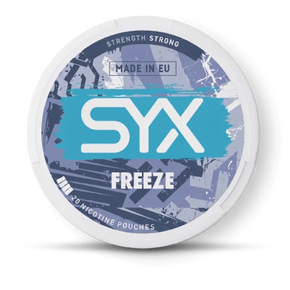
Nicotine pouches are smoke-free because they contain no tobacco leaf whatsoever. Each pouch is a small, white sachet filled with nicotine powder, flavourings, sweeteners, and plant-based fillers. There is nothing to burn, which means no combustion, no smoke, and no tar entering your lungs.
You place the pouch between your upper lip and gum, and nicotine absorbs gradually through the mucous membrane lining your mouth. The process is slow and steady, quite unlike the rapid spike you get from a cigarette. This is the fundamental reason pouches are smoke-free: the delivery mechanism bypasses the lungs entirely.
Compare this to cigarettes, where burning tobacco generates over 7,000 chemicals, including carbon monoxide and dozens of known carcinogens. Vaping reduces that chemical load significantly but still involves inhaling an aerosol. Pouches go further still, producing no inhalable substance at all. For a detailed breakdown of how nicotine absorption differs across products, the differences are more significant than most smokers expect.
Key facts about pouch composition and delivery:
- No tobacco leaf, no combustion, no smoke or tar
- Nicotine is absorbed through the gum, not the lungs
- Available in strengths typically ranging from 2mg to 20mg per pouch
- Brands such as ZYN, Velo, and FUMI offer a wide range of flavours and strengths
- Pouches are discreet, odourless, and can be used anywhere
Pro Tip: Match your starting pouch strength to your smoking habit. If you smoke 15 to 20 cigarettes a day, begin with a medium strength pouch (around 8mg to 12mg) and adjust from there based on how well your cravings are managed.
What are the benefits of nicotine pouches over smoking?
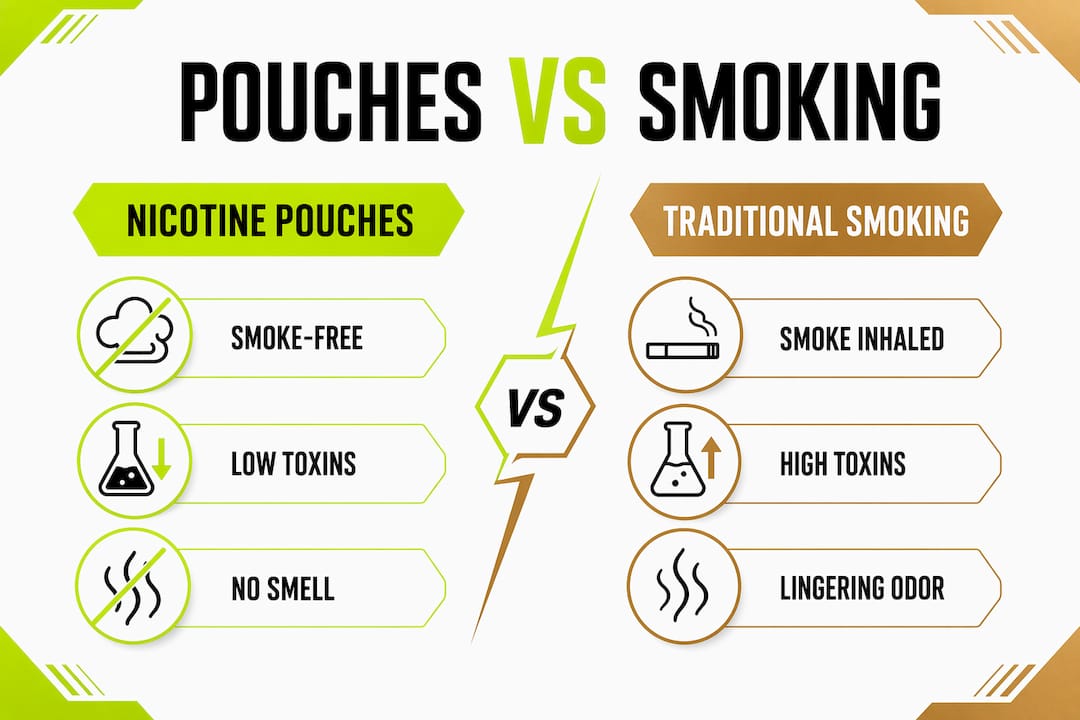
The benefits of pouches over smoking are not marginal. They are substantial, measurable, and backed by biomarker studies that track what actually happens inside your body when you switch.
The headline figure is striking: switching fully to nicotine pouches produces a 91% decrease in lung cancer biomarkers compared to continuing to smoke. Exclusive pouch users show toxicant exposure levels comparable to former smokers who have stopped using nicotine products entirely. That is a remarkable finding. It means that switching completely is not a compromise. It is close to quitting in terms of toxic exposure.
The UK government has formally stated that nicotine pouches are safer than smoking, urging proportionate regulation to support harm reduction for adult smokers. This is not a fringe position. It reflects the scientific consensus that the harm from smoking comes overwhelmingly from combustion, not nicotine itself.
| Benefit | Smoking | Nicotine pouches |
|---|---|---|
| Combustion products (tar, CO) | Yes | No |
| Lung cancer biomarker exposure | High | Reduced by up to 91% |
| Toxic chemical exposure | High | Reduced by 42 to 96% |
| Discreet and odourless use | No | Yes |
| Use indoors or in public | Restricted | Generally permitted |
“The total elimination of combustion is the core harm reduction benefit of nicotine pouches.” — UK Department of Health and Social Care position, as reported by Clearing the Air
Beyond the health data, the practical benefits are equally compelling. Pouches produce no smell on your breath, clothes, or hair. You can use them in offices, on public transport, and in situations where smoking is impossible. For smokers who have struggled with the social and logistical restrictions of cigarettes, this freedom alone can make a meaningful difference to daily life.
How to reduce smoking effectively using nicotine pouches
Reducing your cigarette use with pouches works best as a structured process, not a spontaneous swap. Here is a practical, step-by-step approach that reflects how successful switchers tend to manage the transition.
-
Assess your current habit. Count how many cigarettes you smoke daily and identify your peak craving times. Morning cigarettes, post-meal cigarettes, and stress-triggered smoking are the hardest to replace and need the most attention.
-
Choose the right strength. Light smokers (under 10 cigarettes a day) typically do well starting at 4mg to 6mg pouches. Moderate smokers (10 to 20 a day) should consider 8mg to 12mg. Heavy smokers may need 16mg or above initially. Brands like ZYN and Velo publish clear strength guides to help you choose.
-
Replace specific cigarettes first. Do not try to quit all at once. Target the cigarettes that are easiest to skip, such as the mid-morning one or the one after lunch, and replace those with a pouch. Keep the cigarettes that feel hardest to give up until you are more comfortable with pouches.
-
Use pouches consistently during cravings. A pouch takes 5 to 10 minutes to begin releasing nicotine effectively. Place one as soon as a craving starts, before it peaks. Waiting until you are desperate makes it harder for the pouch to satisfy the urge.
-
Gradually reduce cigarette frequency. Once you are comfortable replacing two or three cigarettes a day with pouches, increase that number week by week. Track your progress by counting cigarettes smoked each day.
-
Manage dual use carefully. Dual use is common among smokers transitioning to pouches, but the goal is to shift the balance progressively toward pouches and away from cigarettes. Using both indefinitely without reducing smoking defeats the purpose.
Pro Tip: Pair your pouch use with a behavioural support tool such as the NHS Stop Smoking Service or the free Smokefree app. Research consistently shows that combining a nicotine replacement product with behavioural support produces better outcomes than either approach alone.
What to expect when switching to nicotine pouches

The adjustment period is real, and understanding it in advance makes it far easier to manage. The most common surprise for new pouch users is that the nicotine effect feels different from a cigarette. Pouches deliver nicotine more slowly and less intensely than cigarettes, which means the sharp, immediate satisfaction of a cigarette draw is not replicated.
What to expect during the first two to four weeks:
- A tingling or mild burning sensation under the lip is normal and fades with regular use
- Cravings may feel less fully satisfied at first, particularly in the morning
- You may notice increased saliva production initially
- Some users experience mild nausea if they swallow too much nicotine-infused saliva. Avoid swallowing it
- Oral habits linked to smoking, such as the hand-to-mouth action, are not replicated by pouches and may need separate attention
The slower absorption is not a flaw. It is actually a feature for long-term harm reduction, as it reduces the addictive spike associated with rapid nicotine delivery. Your body adjusts within a few weeks, and most users report that pouches become genuinely satisfying once the initial period passes. Patience during this phase is the single most important factor in whether the switch succeeds. For more on what the transition looks like in practice, the step-by-step switching guide at Hitsnus covers common challenges in detail.
Are nicotine pouches effective for quitting smoking?
The evidence is promising but not yet definitive. Smokers who use nicotine pouches have significantly higher odds of intending to quit within 6 months (odds ratio 1.78) and within 30 days (odds ratio 2.09) compared to smokers who do not use pouches. These are meaningful numbers. An odds ratio above 1.5 is considered a strong association in behavioural research.
That said, current data do not confirm pouches as a guaranteed cessation tool. Large-scale randomised controlled trials are still limited. What the evidence does support clearly is that pouches function as a harm reduction alternative for smokers who cannot or will not quit nicotine entirely.
| Tool | Reduces toxic exposure | Supports quit intention | Smoke-free | Tobacco-free |
|---|---|---|---|---|
| Nicotine patches | Partial | Yes | Yes | Yes |
| Nicotine pouches | Significantly (42 to 96%) | Yes (OR 2.09 at 30 days) | Yes | Yes |
| Vaping | Moderate | Yes | Yes | Yes |
| Cigarettes | No | No | No | No |
Health authorities in the UK classify pouches as a lower-risk substitute for smoking, not a risk-free product. Nicotine itself carries cardiovascular risks and maintains dependence. The public health value of pouches depends entirely on who uses them. They are intended for adult smokers seeking harm reduction, not for non-smokers or young people. If you are a non-smoker, there is no health justification for starting pouch use.
Key takeaways
Nicotine pouches reduce toxic exposure by up to 96% compared to smoking, making them the most evidence-backed smokeless alternative for adult smokers seeking to cut down or quit.
| Point | Details |
|---|---|
| Smoke-free by design | Pouches contain no tobacco leaf and produce no combustion, eliminating tar and carbon monoxide entirely. |
| Significant toxicant reduction | Switching fully to pouches cuts lung cancer biomarkers by up to 91% compared to continued smoking. |
| Higher quit intentions | Pouch users are twice as likely to intend quitting within 30 days compared to non-users (OR 2.09). |
| Gradual transition works best | Replace specific cigarettes with pouches progressively, targeting the easiest ones first. |
| Adjustment period is normal | Slower nicotine delivery requires patience; most users adapt within two to four weeks. |
Why I think most smokers underestimate how practical pouches actually are
Most smokers I speak with assume that switching to pouches means accepting a lesser experience. They expect to feel deprived. What actually happens for the majority of committed switchers is different. The craving management becomes quieter and more sustained, rather than sharp and fleeting. That is a genuine improvement in quality of life, not a downgrade.
The research on quit intentions among pouch users reinforces what I observe anecdotally: people who engage seriously with pouches as a tool, rather than treating them as a novelty, tend to reduce their cigarette use substantially within weeks. The key word is seriously. Picking up a pouch once and deciding it is not the same as a cigarette is not a fair trial.
My honest view is that the biggest barrier is not the product. It is expectation management. Pouches are not cigarettes. They are not designed to replicate the cigarette experience. They are designed to deliver nicotine without the combustion that kills. Once you accept that distinction, the transition becomes far more manageable. The safety profile for UK users is well-documented, and the harm reduction case is strong. Set a realistic goal, choose the right strength, and give yourself four weeks before making a judgement.
— Fabio
Explore nicotine pouches at Hitsnus
Hitsnus stocks a wide range of tobacco-free nicotine pouches from leading brands including ZYN, Velo, and FUMI, with strengths from 2mg to 20mg to suit every stage of your smoking reduction journey. Whether you are just starting out or looking to fine-tune your approach, the full nicotine pouches range is available with fast UK delivery and no tobacco content whatsoever. Every product is clearly labelled with strength and flavour information so you can make an informed choice. Before you buy, it is worth reading what to know before buying pouches online to understand what to look for in terms of quality and strength.
FAQ
What are nicotine pouches and how do they differ from cigarettes?
Nicotine pouches are small, tobacco-free sachets placed under the lip that release nicotine through the gum. Unlike cigarettes, they involve no combustion, no smoke, and no tar, making them significantly less harmful to the lungs.
How long does it take to reduce smoking using pouches?
Most users begin replacing individual cigarettes within the first week and see meaningful reductions in daily cigarette count within two to four weeks, provided they use pouches consistently during cravings.
Are nicotine pouches effective for quitting smoking entirely?
Research shows pouch users are more likely to intend quitting within 30 days (OR 2.09), though pouches are currently classified as a harm reduction tool rather than a confirmed cessation therapy.
What strength nicotine pouch should I start with?
Match your starting strength to your smoking habit. Moderate smokers (10 to 20 cigarettes daily) typically begin with 8mg to 12mg pouches, adjusting up or down based on craving satisfaction after the first week.
Can I use nicotine pouches and still smoke occasionally?
Dual use is common during the transition, but it should be a temporary phase. The goal is to progressively replace cigarettes with pouches rather than use both indefinitely, as dual use managed poorly limits the harm reduction benefit.