











Pouches vs dip: which is lower toxin for UK users?
Nicotine pouches are almost certainly the lower-toxin option for adult nicotine users compared with traditional dipping tobacco. The core reason is straightforward: pouches contain no tobacco leaf and therefore carry none of the tobacco-specific nitrosamines (TSNAs) that drive much of the oral cancer risk associated with dip. That said, “lower toxin” does not mean “safe.” Long-term epidemiological data on pouches simply does not exist yet, and this verdict applies only to adults who switch completely, not to young people, pregnant people, or anyone using both products simultaneously.
Key regulatory signal: Action on Smoking and Health (ASH) confirms nicotine pouches are likely less harmful than smoking and that the UK’s Tobacco and Vapes Act will introduce an 18+ age of sale from 29 October 2026, with new advertising restrictions following in 2027. Usage is currently low but rising in Great Britain.
Two things are worth holding in your head before reading further:
- Pouches have a measurably lower harmful-constituent profile than tobacco-containing products, but no long-term cancer data yet.
- Dip carries a well-documented association with oral cancer, driven largely by TSNAs in tobacco leaf.
Table of Contents
- What nicotine pouches actually are and how you use them
- What dipping tobacco is and how it differs in composition
- A quick side-by-side comparison of pouches versus dip
- How nicotine strength and release speed affect the ‘hit’ you feel
- What the evidence says about health risks for UK users
- Everyday practical differences: cost, convenience and etiquette
- Which type of user tends to prefer pouches and which prefers dip?
- How to switch from dip to nicotine pouches safely
- Browse nicotine pouches at Hitsnus
- Sources
- FAQ
What nicotine pouches actually are and how you use them
A nicotine pouch is a small, preportioned sachet containing nicotine but no tobacco leaf. You place it between your upper lip and gum, leave it for 20–40 minutes, then dispose of it. Nicotine absorbs through the buccal mucosa (the lining of your mouth) without any smoke, vapour, or need to spit.
The typical ingredients are:
- Nicotine (either tobacco-derived or synthetic)
- Fillers such as microcrystalline cellulose or plant fibre
- Flavourings (mint, fruit, citrus and more)
- P H adjusters such as sodium carbonate, which raise the pH to increase freebase nicotine absorption
- Humectants and sweeteners to improve texture and taste
Strengths generally run from around 4 mg per pouch at the lighter end up to 16 mg or higher for heavy-use formats, but laboratory comparisons show the average nicotine content in nicotine pouches is 6.4 mg per pouch, with labelled strengths often exceeding this for some products. The CDC confirms that some products contain high nicotine levels and that all pouches carry addiction risk regardless of their tobacco-free status.
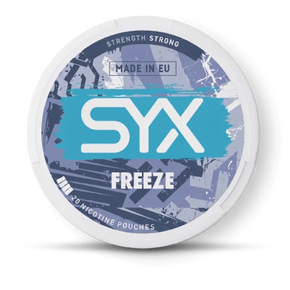
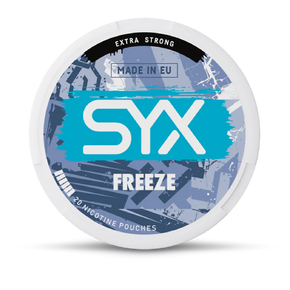
Popular options available through Hitsnus include XQS Strawberry Kiwi at 8 mg, Clew Watermelon at 10 mg, Nordic Spirit Sweetmint at 6 mg, Killa Apple, Killa Pineapple, SYX Forest Fruits at 16–42 mg, and clearance lines such as Clew Cool Mint 10 mg and Clew Menthol 10 mg.
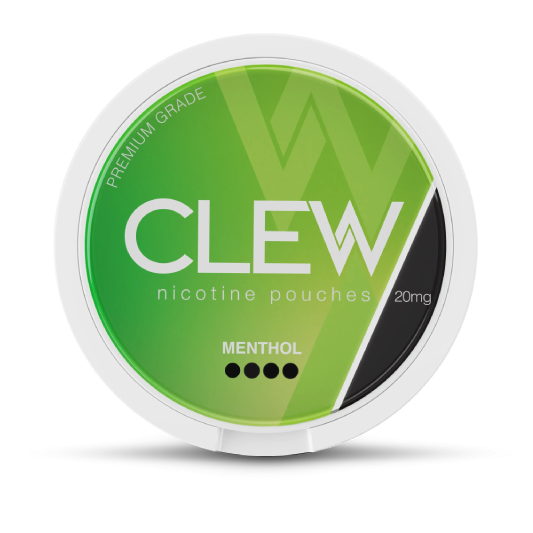
These illustrate the range of strengths and flavours now available in the UK market.
Pro Tip: If you are new to pouches, start with a 6–8 mg option and keep it in for 20 minutes before judging the strength. The nicotine release is gradual, not instant, so resist the urge to go stronger on the first session.
What dipping tobacco is and how it differs in composition
Dipping tobacco, or “dip,” is a moist, finely ground or loose-leaf tobacco product placed between the lower lip and gum. Unlike pouches, it is made from actual tobacco leaf and contains the full spectrum of compounds that tobacco combustion and curing produce, including TSNAs, polycyclic aromatic hydrocarbons, and heavy metals.
Key compositional and behavioural differences from pouches:
- Tobacco leaf present: dip contains cured tobacco, which is the primary source of TSNAs.
- Spitting required: the product generates saliva mixed with tobacco juice that most users spit rather than swallow.
- Longer in-mouth duration: a typical dip session runs 30–60 minutes, often longer than a pouch session.
- Portion size: loose dip is typically measured by the user (a “pinch”), making dose control less precise than preportioned pouches.
- Nicotine content per portion: lab data shows oral tobacco pouches (OTPs) average around 12.3 mg of nicotine per pouch, roughly double the average for nicotine pouches.
Dip has a long history in North American and Scandinavian cultures, though traditional snus (a related but distinct Swedish product) is banned for sale in the UK and EU. Most dipping tobacco available in the UK is imported or purchased via specialist channels, and its legal retail status differs from that of nicotine pouches, which are sold openly. Lab data indicates that dip (oral tobacco pouches) averages 12.3 mg of nicotine per portion, while nicotine pouches average 6.4 mg per portion, though labelled strengths sometimes differ.
A quick side-by-side comparison of pouches versus dip
| Dimension | Nicotine pouches | Dipping tobacco (dip) |
|---|---|---|
| Tobacco content | Tobacco-free | Contains tobacco leaf |
| Nicotine per portion | 6.4 mg on average (labelled range ~4–16 mg; some brands offer higher strengths) | ~12.3 mg on average (labelled range ~8–20+ mg per portion) |
| Need to spit | No | Yes (typically) |
| Discreetness | High — no odour, no spit | Low — spitting, tobacco smell |
| Short-term oral effects | Irritation, tingling, gum soreness | Irritation, gum recession, soreness |
| Long-term carcinogen exposure | Lower measured TSNAs; long-term data lacking | High TSNAs; strong oral cancer association |
| Flavours | Wide range (mint, fruit, citrus) | Limited (wintergreen, mint, natural) |
| UK regulation | Legal; 18+ age of sale from October 2026 | Restricted; traditional snus banned in UK |
| Cost per dose | Typically £3–£6 per tin of 20 pouches | Variable; often higher per session |
| Typical usage pattern | 20–40 min per pouch, 8–15 pouches/day | 30–60 min per session, multiple sessions/day |
On toxin exposure, pouches score better. On ritual familiarity and raw nicotine volume per portion, dip may feel more familiar to heavy users. Neither product is without risk.
How nicotine strength and release speed affect the ‘hit’ you feel
The milligrams printed on a pouch tin do not tell the whole story. A laboratory comparison published in PMC found that nicotine pouches averaged 6.4 ± 3.5 mg per pouch versus 12.3 ± 8.2 mg per pouch for oral tobacco products, yet both released similar amounts of nicotine within five minutes of use (6.5 ± 3.9 mg for pouches versus 7.6 ± 3.9 mg for tobacco pouches). The reason is formulation: pouches tend to have a higher proportion of freebase nicotine, which absorbs faster through the buccal mucosa.
What this means in practice: a pouch labelled at 8 mg can deliver a comparable five-minute nicotine hit to a tobacco pouch labelled at 12 mg, because freebase nicotine crosses tissue membranes more readily than protonated (salt) forms.
Key points for reading labels and matching dose:
- Freebase vs protonated nicotine: freebase absorbs faster and feels stronger at the same mg; pH adjusters in the formula push nicotine toward the freebase form.
- mg per pouch vs mg per gram: some products list nicotine per gram of filler, not per pouch. Check the unit before comparing.
- Release rate: a higher-strength pouch held for 10 minutes may deliver less nicotine than a lower-strength one held for 30 minutes.
- Dip comparison: because dip portions are often larger and held longer, the total nicotine absorbed per session can be substantial even if the per-gram figure looks similar.
The BfR risk assessment also flags cardiovascular implications of high nicotine exposure, noting that regulatory limits on nicotine content vary across countries.
Pro Tip: When switching from dip, start one strength band lower than you think you need. The faster freebase absorption in pouches often means a 10 mg pouch delivers a comparable sensation to a heavier dip portion. Give yourself a week before stepping up.
What the evidence says about health risks for UK users
The short version: pouches carry a lower measured toxin load than dip, but “lower” is not “zero,” and the long-term picture is genuinely unknown.
Toxin profile and cancer risk
A peer-reviewed analysis in Frontiers in Oral Health found that toxicological analyses show substantially lower levels of harmful constituents in nicotine pouches relative to cigarettes, with varying results compared with traditional snus. Crucially, long-term epidemiological evidence on cancer risk for pouches is currently absent. By contrast, a systematic review on smokeless tobacco links many traditional smokeless tobacco products, including dip, with significantly elevated oral cancer risk driven by high TSNA levels.
Oral health and mucosal irritation
Both products cause local tissue irritation. The American Cancer Society reports that dental and oncology clinicians have observed gum soreness, recession, and mucosal inflammation in pouch users, and that chronic irritation is a plausible precursor to more serious oral pathology even though a direct long-term cancer link for pouches remains unproven. Dip users face the same irritation risks plus the additional TSNA burden from tobacco leaf.
Cessation and switching evidence
The Cochrane review on oral nicotine pouches found limited, low-certainty evidence that pouches might help some smokers switch from cigarettes. Short-term trials reported few serious harms, but the evidence is small and imprecise. NICE does not currently recommend pouches as a primary quit aid.
Key research gaps to be aware of:
- No long-term (10+ year) cohort data on pouch-only users
- Limited head-to-head RCTs comparing pouches directly with dip
- Insufficient data on synthetic nicotine’s specific toxicity profile
- Regulatory variation means product quality and nicotine content are inconsistent across brands
For deeper reading on nicotine pouches and oral health, Hitsnus has a dedicated guide covering clinical observations and risk factors.
Everyday practical differences: cost, convenience and etiquette
Cost
A tin of 20 nicotine pouches typically costs £3–£6 in the UK, so the per-pouch cost is roughly 15–30p. Clearance lines such as Clew Menthol 10 mg bring that figure down further. Dipping tobacco, where available in the UK, tends to cost more per session once you factor in portion size and session length, and its supply chain is less straightforward than pouches sold through established UK retailers.
Discreetness and convenience
Pouches produce no spit, no odour, and no visible product. You can use one in a meeting, on public transport, or at a desk without anyone knowing. Dip requires a spittoon or bottle, produces a noticeable smell, and is socially conspicuous in most UK settings. For workplace or public use, pouches have a clear practical advantage.

Flavours and variety
The pouch market now offers dozens of flavour profiles: fruit (watermelon, apple, pineapple, forest fruits), menthol, mint, and citrus blends. Dip flavours are far more limited, typically wintergreen, mint, and natural tobacco. Flavour variety matters for satisfaction and for reducing the urge to return to smoking.
Disposal and etiquette
Most pouch tins include a small compartment in the lid for used pouches, making disposal clean and discreet. Used pouches go in general waste (not down the toilet or drain). Dip disposal requires a receptacle for spitting and careful handling of used tobacco, which is messier and less practical in most UK environments.
Pro Tip: Track how many pouches you use per day for the first two weeks. Most users settle into a natural rhythm of 8–12 per day. If you are consistently above 15, consider stepping down to a lower strength rather than reducing frequency, which tends to be harder to sustain.
Which type of user tends to prefer pouches and which prefers dip?
Most adult nicotine users in the UK who are comparing these two products fall into recognisable patterns.
Users more likely to prefer nicotine pouches:
- Smokers switching to a smokeless alternative who want a lower-toxin profile
- Commuters and office workers who need a discreet, spit-free option
- Users who value flavour variety and a cleaner in-mouth experience
- Anyone who has tried NRT (patches, gum) and found it unsatisfying
- People who want precise, preportioned doses rather than estimating a pinch
Users who might lean toward dip:
- Those with a strong attachment to the tobacco flavour and ritual of traditional smokeless tobacco
- Heavy users who find standard pouch strengths insufficient (though high-strength options like SYX Forest Fruits at 16–42 mg close this gap considerably)
- Users who have used dip for many years and find the behavioural switch difficult
Quick decision checklist:
- Want to avoid tobacco leaf? Pouches.
- Need to use it discreetly at work or in public? Pouches.
- Prioritise the strongest possible nicotine hit per session? Check high-strength pouches before defaulting to dip.
- Value the traditional tobacco ritual above all else? Dip may feel more familiar, but the toxin trade-off is real.
How to switch from dip to nicotine pouches safely
Switching works best when you treat it as a structured process rather than a cold swap.
- Assess your current intake. Count how many dip sessions you have per day and estimate the nicotine per session. A typical dip session with a standard portion delivers roughly 10–15 mg of absorbed nicotine.
- Choose a starting pouch strength. Match to the lower end of your estimated intake. If you use heavy dip portions, start at 10–12 mg pouches (noting that the average nicotine content in pouches is 6.4 mg, but higher-strength options exist). If your use is moderate, 6–8 mg is a reasonable entry point. Nordic Spirit Sweetmint at 11 mg is a popular mid-range option for switchers.
- Trial placement and timing. Place the pouch against your upper gum, not the lower lip where dip sits. The sensation is different. Give it 20–30 minutes and note the nicotine delivery before judging whether the strength is right.
- Replace dip sessions one at a time. Do not try to switch everything at once. Replace your first dip of the day with a pouch for the first week, then add more substitutions progressively.
- Monitor for oral symptoms. Some irritation is normal in the first week. Persistent soreness, ulceration, or bleeding gums warrants a dental check. Seek medical advice if you experience chest tightness or palpitations, which can signal excessive nicotine intake.
- Eliminate dual use. Using both products simultaneously doubles your toxin exposure and defeats the harm-reduction purpose. Set a clear date to stop dip entirely.
- Taper if your goal is reduction. Once fully switched, you can step down through lower strengths over weeks or months. The Hitsnus guide on reducing smoking with pouches covers tapering strategies in detail.
Pro Tip: Avoid using pouches as a bridge that lets you maintain a high daily nicotine intake indefinitely. The risks of prolonged pouch use are not fully understood, and keeping daily counts high over months or years carries its own unknowns.
Safety notes:
- Seek dental advice if gum recession or persistent mucosal soreness develops
- Do not use pouches during pregnancy
- If you have cardiovascular conditions, consult a GP before switching, given the BfR’s flagged cardiovascular risk from high nicotine exposure
This article provides general information only and is not a substitute for professional medical or dental advice. Confirm current UK regulations and product suitability with a qualified professional.
Browse nicotine pouches at Hitsnus
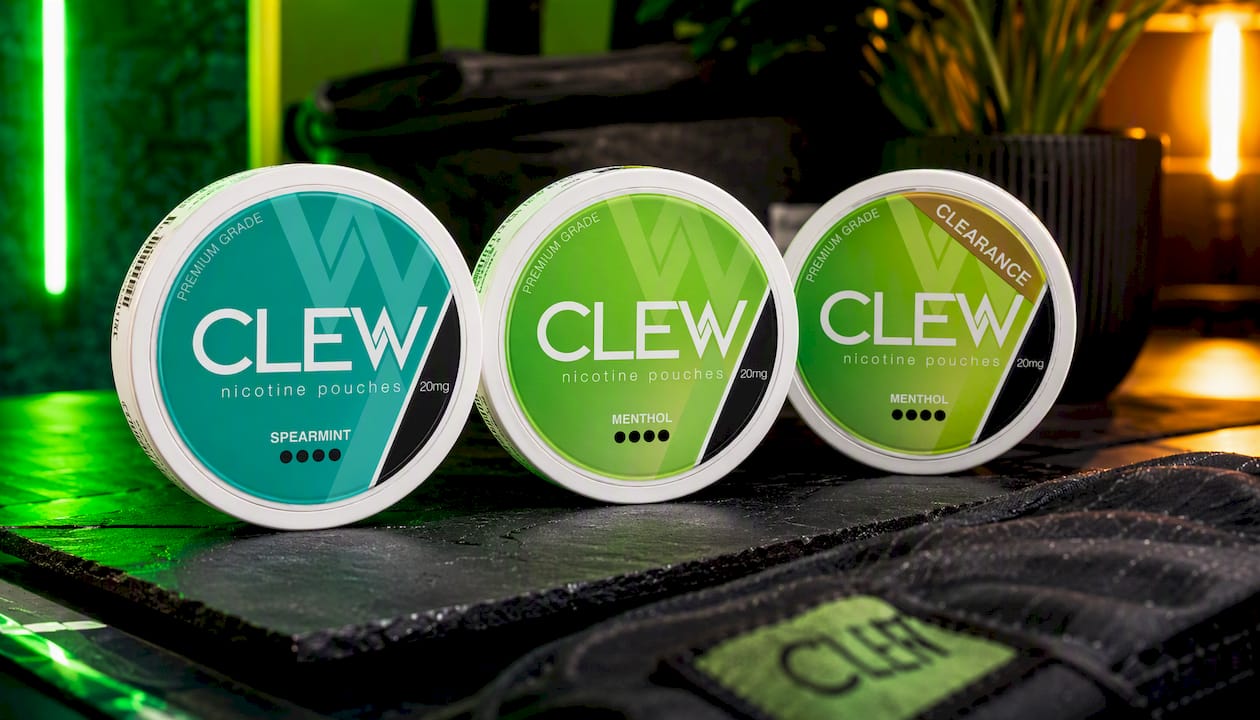
Hitsnus stocks one of the UK’s widest selections of nicotine pouches across every strength and flavour category covered in this article. Whether you are stepping down from heavy dip use with a high-strength option like SYX Forest Fruits, or starting cautiously with a 6 mg Nordic Spirit Sweetmint, the full range is available with fast UK delivery and no subscription required. Clearance lines keep the per-pouch cost low for budget-conscious switchers, and the product pages include strength and flavour details so you can match your current intake before you order. Browse the full collection at Hitsnus and find the pouch that fits your routine.
Sources
- Nicotine pouches - ASH
- Chemical and nicotine-release comparison of ONPs and OTPs | PMC
- What are the benefits and risks of oral nicotine pouches when used to help people stop smoking? | Cochrane
- Nicotine pouches | CDC
- What to know about nicotine pouches and cancer risk | American Cancer Society
- Health risk assessment of nicotine pouches | BfR
- Smokeless tobacco and oral cancer risk (systematic review) | PubMed
FAQ
Are pouches better for you than dip?
On current evidence, yes. Nicotine pouches contain no tobacco leaf and therefore carry far lower levels of tobacco-specific nitrosamines, the primary carcinogens linked to oral cancer in smokeless tobacco research. Long-term data on pouches is still limited, so “better” means lower measured toxin exposure, not risk-free.
Does dip hit harder than pouches?
Not necessarily. Lab data shows that despite dip portions containing roughly twice the labelled nicotine of pouches, both products release similar amounts of nicotine within five minutes because pouches use a higher freebase fraction that absorbs faster. A 10–12 mg pouch can deliver a comparable hit to a standard dip portion.
Is using 20 nicotine pouches a day bad?
Twenty pouches per day at a typical strength of 8–10 mg represents a very high daily nicotine intake and is likely to increase both addiction and local tissue irritation. Most users settle at 8–12 per day. The risks of prolonged high-count use are not fully characterised, and exceeding 15 pouches per day consistently warrants a review of your strength and a conversation with a GP.
Are nicotine pouches legal in the UK?
Yes. Nicotine pouches are currently legal to sell in the UK. The Tobacco and Vapes Act will introduce a mandatory 18+ age of sale from 29 October 2026 and new advertising restrictions in 2027, as confirmed by ASH. Traditional snus (tobacco-containing oral tobacco) remains banned for sale in the UK and EU.
Can pouches help me quit dip completely?
Possibly, though the evidence is limited. The Cochrane review found low-certainty evidence that pouches may help some users switch from tobacco products, with few serious short-term harms reported. NICE does not currently recommend them as a first-line cessation tool, but for users who have not succeeded with patches or gum, a structured switch to pouches is a reasonable harm-reduction step.