










Nicotine Pouches Legal Status – What UK Users Must Know
Finding clear answers about buying flavoured nicotine pouches online can be confusing. As more adults in Great Britain turn to these smokeless alternatives, questions about legality, compliance, and access are growing. With upcoming laws set to tighten rules around age limits, packaging, and advertising, this guide lays out what you need to know for making informed and legal purchases while protecting yourself from unexpected restrictions.
Table of Contents
- Defining Nicotine Pouches And Common Myths
- Key Differences: Pouches, Snus, And Vapes
- UK Regulatory Framework And Upcoming Laws
- Age Restrictions, Flavours, And Advertising Rules
- Safety Labels, Compliance, And Fines For Breaches
Key Takeaways
| Point | Details |
|---|---|
| Nicotine Pouches Offer a Unique Alternative | These products provide a discreet, smokeless method of nicotine consumption without tobacco leaf, appealing mainly to adult users. |
| Regulatory Landscape is Evolving | Current UK regulations lack proper age restrictions and safety labelling, but changes are proposed to enhance consumer protection. |
| Distinct Characteristics from Snus and Vapes | Nicotine pouches utilise pharmaceutical-grade nicotine and offer a controlled release mechanism, setting them apart from traditional tobacco products. |
| Consult Healthcare Professionals | Individuals should seek professional advice regarding nicotine consumption, especially given emerging regulations and health implications. |
Defining Nicotine Pouches and Common Myths
Nicotine pouches represent a modern alternative to traditional tobacco products, offering adult users a discreet and smokeless method of nicotine consumption. These small, pre-portioned sachets are designed to be placed between the upper lip and gum, delivering nicotine through oral absorption without involving combustion or tobacco leaf.
Understanding the fundamental characteristics of nicotine pouches is crucial. Unlike traditional snus or chewing tobacco, these innovative products contain pharmaceutical-grade nicotine extracted from tobacco plants but do not include actual tobacco leaf material. They typically feature:
- A small, white pouch made from plant-based fibres
- Pre-measured nicotine content
- No tobacco leaf components
- Various flavour options
- Discrete packaging for convenient use
Regulatory perspectives on these products remain complex. Emerging usage trends in Great Britain indicate growing interest, particularly among younger adults, while simultaneously raising concerns about potential youth appeal and long-term health implications.
Common myths surrounding nicotine pouches often stem from misunderstandings about their composition and safety profile. Many individuals incorrectly assume these products are identical to traditional snus or pose equivalent health risks to smoking. However, scientific research suggests a potentially different risk profile, though comprehensive long-term studies are still ongoing.
Pro tip: Always purchase nicotine pouches from reputable sources and consult healthcare professionals about individual nicotine consumption considerations.
Key Differences: Pouches, Snus, and Vapes
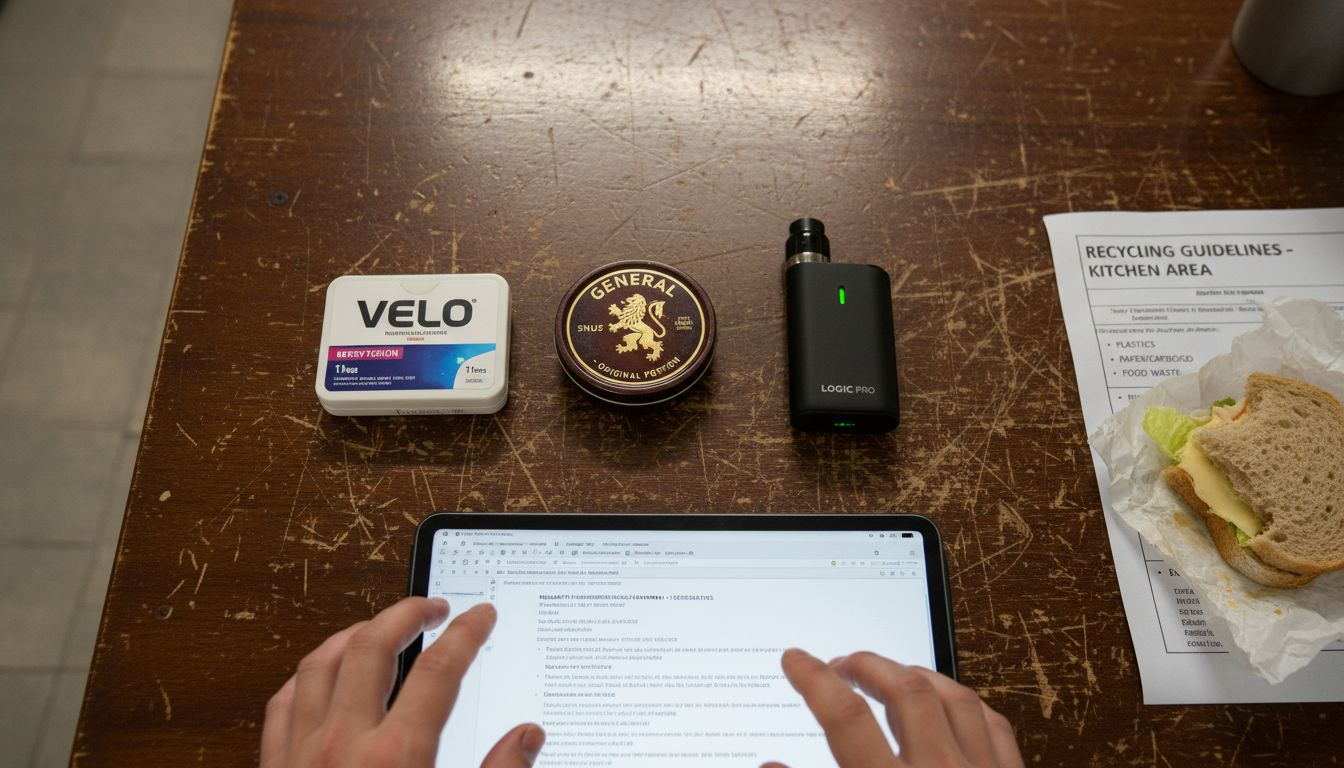
Navigating the landscape of nicotine consumption methods requires understanding the fundamental differences between nicotine pouches, traditional snus, and vaping technologies. Each method offers a unique approach to nicotine delivery, with distinct characteristics that impact their legal status, health implications, and user experience.
Nicotine pouches stand apart from traditional alternatives through their innovative design. Tobacco-free oral nicotine delivery represents a significant advancement in nicotine consumption technology. Unlike snus, which contains tobacco leaf, these pouches utilise a refined nicotine extract within a plant-based fibre matrix. Key distinctions include:
- No tobacco leaf components
- Discrete oral administration
- Pharmaceutical-grade nicotine extraction
- Controlled nicotine release mechanism
- Varied strength options
Regulatory frameworks differ significantly across these consumption methods. Snus remains banned in the United Kingdom and European Union, while nicotine pouches occupy a unique legal position. Vaping devices, by contrast, are regulated under specific electronic cigarette guidelines that differ from oral nicotine products.
The delivery mechanism critically differentiates these products. Snus involves direct tobacco contact, nicotine pouches use mucous membrane absorption, and vapes rely on aerosol inhalation. Each method presents unique physiological interaction points, potentially influencing long-term health outcomes and user preferences.
Pro tip: Always consult healthcare professionals about the potential risks and personal suitability of different nicotine consumption methods.
Here is a concise comparison of nicotine pouches, snus, and vapes for quick reference:
| Attribute | Nicotine Pouches | Traditional Snus | Vaping Devices |
|---|---|---|---|
| Tobacco Content | No tobacco leaf | Contains tobacco leaf | Liquid nicotine, no tobacco |
| Delivery Method | Oral absorption | Oral (tobacco contact) | Inhaled aerosol |
| UK Legal Status | Legal, under review | Banned | Regulated as e-cigarettes |
| Primary Appeal | Discreet, smokeless use | Established tradition | Customisable flavours, rapid effect |
UK Regulatory Framework and Upcoming Laws
The legal landscape surrounding nicotine pouches in the United Kingdom represents a complex and evolving regulatory environment. Proposed legislative changes00298-1/fulltext) aim to address the current regulatory gaps that currently leave nicotine pouches in a legislative grey area.
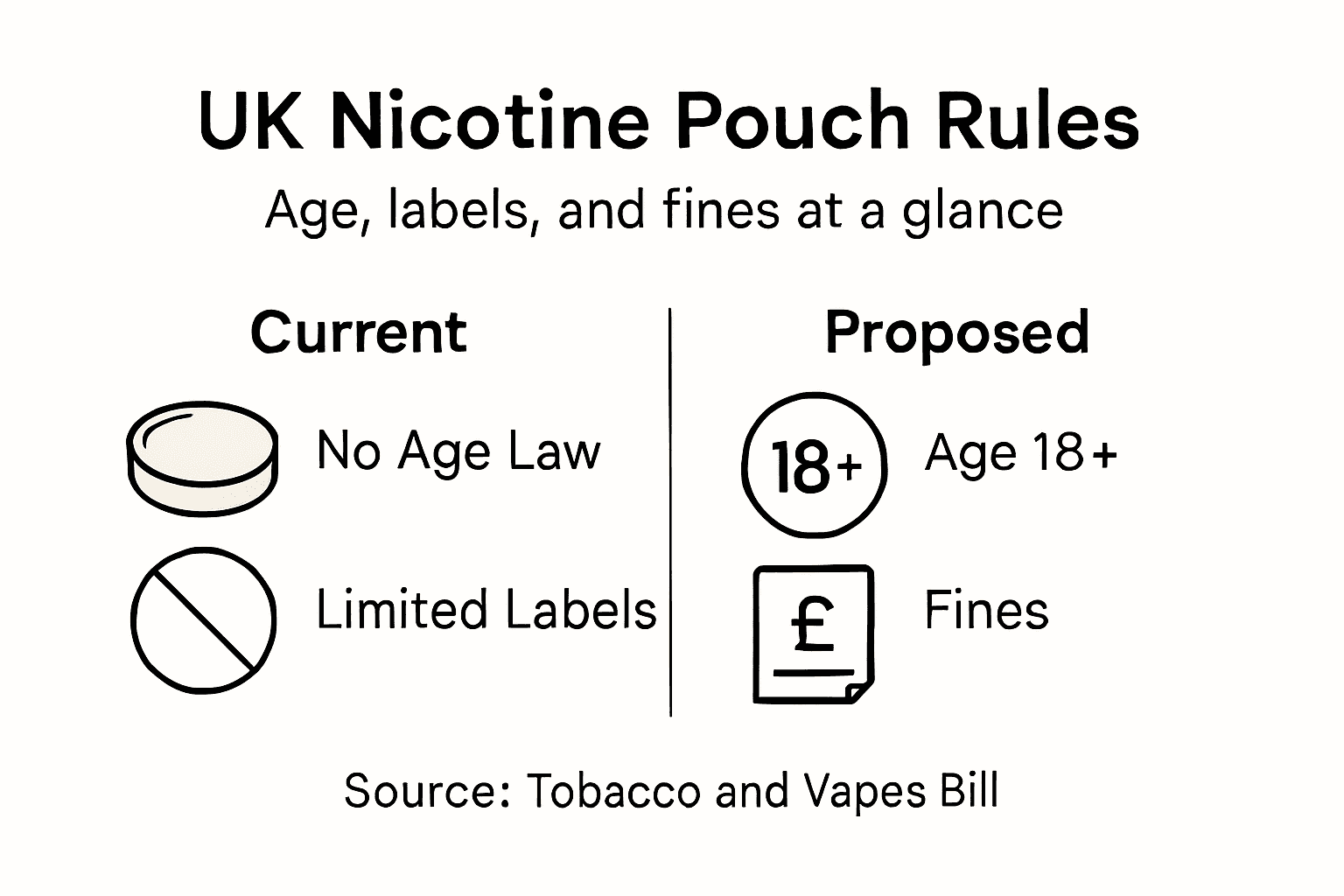
Currently, nicotine pouches exist in a unique regulatory position. Unlike traditional tobacco products or medicinal nicotine replacement therapies, they are treated as general consumer products. This classification means they currently lack specific age restrictions, marketing controls, or standardised nicotine content limits. Key implications of this current status include:
- No mandatory age verification for purchase
- Absence of formal marketing restrictions
- No standardised nicotine concentration guidelines
- Limited product safety monitoring
- Minimal packaging and branding regulations
The proposed Tobacco and Vapes Bill represents a significant shift in regulatory approach. This legislative framework seeks to introduce comprehensive controls that would fundamentally transform how nicotine pouches are manufactured, marketed, and sold across the United Kingdom. Regulatory objectives appear focused on mitigating potential public health risks, particularly concerning youth access and unregulated product proliferation.
Important proposed changes include implementing a minimum age of sale (18 years), restricting advertising, and establishing clear guidelines for product contents and branding. These measures reflect a proactive approach to managing the evolving landscape of nicotine consumption methods.
Pro tip: Stay informed about ongoing legislative discussions and potential regulatory changes that might impact nicotine pouch availability and usage.
This table summarises key upcoming regulatory changes for nicotine pouches in the UK:
| Regulatory Aspect | Current State | Proposed Change |
|---|---|---|
| Minimum Purchase Age | No restriction | Set at 18 years |
| Advertising | Unrestricted | Limited to adults, plain packaging |
| Nicotine Strength | No standard | Clear concentration limits |
| Labelling | Varied, non-standard | Mandatory health warnings |
Age Restrictions, Flavours, and Advertising Rules
The regulatory landscape for nicotine pouches in the United Kingdom is rapidly transforming, with significant implications for product marketing, accessibility, and consumer protection. Emerging research highlights critical concerns about the current unregulated environment surrounding these products.
Currently, nicotine pouches exist in a legislative grey area that lacks comprehensive age restrictions and marketing controls. The absence of formal regulations has created potential risks, particularly concerning youth access and product appeal. Key characteristics of the current regulatory environment include:
- No mandatory minimum purchase age
- Unrestricted flavour diversity
- Limited advertising restrictions
- Minimal packaging control guidelines
- No standardised nicotine concentration limits
The proposed regulatory framework aims to address these gaps by introducing targeted restrictions. Flavour regulations represent a critical component of these potential changes, with authorities considering limitations on appealing taste profiles that might attract younger consumers. Academic studies have consistently demonstrated that flavour naming and packaging can significantly influence product attractiveness, especially among adolescent demographics.
Advertising restrictions form another crucial aspect of the emerging regulatory landscape. Proposed measures seek to curtail marketing practices that might encourage non-smoking individuals, particularly young people, to experiment with nicotine pouches. These potential regulations would fundamentally transform how manufacturers communicate about their products, potentially requiring plain packaging and eliminating youth-oriented marketing strategies.
Pro tip: Stay informed about upcoming legislative changes and carefully review any new age verification or purchasing requirements for nicotine pouch products.
Safety Labels, Compliance, and Fines for Breaches
The emerging regulatory landscape for nicotine pouches demands comprehensive safety labelling and robust compliance mechanisms. Global regulatory trends indicate a growing emphasis on consumer protection and product transparency.
Currently, nicotine pouches in the United Kingdom operate without standardised safety labelling requirements. This regulatory gap presents significant challenges for consumer understanding and product accountability. Key areas of concern include:
- Inconsistent nicotine content disclosure
- Absence of mandatory health warnings
- Limited packaging information standards
- No uniform usage instructions
- Minimal consumer safety guidance
The proposed regulatory framework aims to introduce comprehensive compliance standards that would fundamentally transform product presentation and consumer information. Manufacturers would be required to provide detailed labelling that clearly communicates nicotine strength, potential health risks, and appropriate usage guidelines.
Enforcement mechanisms are expected to include substantial financial penalties for non-compliance. Regulatory bodies are likely to implement rigorous inspection protocols, with potential fines designed to ensure manufacturers prioritise consumer safety and adhere to newly established guidelines. These measures would represent a significant shift from the current largely unregulated environment.
Pro tip: Always carefully review product labels and packaging information, and stay informed about emerging regulatory requirements for nicotine pouch products.
Discover Legal and Safe Nicotine Solutions Today
Navigating the changing UK legal status of nicotine pouches can feel overwhelming. With evolving regulations on age restrictions, advertising, and product labelling, staying informed while finding reliable and compliant products is vital. Hitsnus.com offers a wide range of carefully selected nicotine pouches, including options from the popular Regular Nicotine Strength collection that provide controlled nicotine delivery without tobacco leaf—perfect for those seeking a discreet and smokeless experience.
Take control now by exploring our diverse selection at Hitsnus.com. Benefit from transparent product descriptions, lawful purchasing processes, and expert guidance that supports safe nicotine use in line with UK regulations. Visit our XQS range for innovative flavours and strengths designed to match your preferences. Act today to enjoy nicotine pouches tailored for responsible adult users amid a changing legal landscape.
Frequently Asked Questions
What are nicotine pouches?
Nicotine pouches are small, discreet sachets containing pharmaceutical-grade nicotine without tobacco leaf. They are designed for oral consumption and provide a smokeless alternative for nicotine delivery.
How do nicotine pouches differ from traditional snus?
Nicotine pouches do not contain tobacco leaf, while traditional snus does. This key distinction influences their legal status, health implications, and methods of nicotine delivery.
What is the current legal status of nicotine pouches in the UK?
Nicotine pouches are currently treated as general consumer products in the UK, lacking specific age restrictions or formal marketing controls. Proposed regulations aim to introduce stricter controls on sale and marketing.
What changes are being proposed for the regulation of nicotine pouches?
Proposed regulations seek to implement a minimum purchase age of 18 years, restrict advertising, establish nicotine strength guidelines, and introduce mandatory health warnings on packaging.