










Industry Terminology: Nicotine Pouch Explained UK
Finding a clear path through the maze of nicotine pouch terminology can be tough for British adults moving away from smoking or vaping. Confusion between these products and others like snus is common, but understanding the true differences wipes away many worries. With growing interest in these tobacco-free alternatives, this guide untangles widespread misconceptions and highlights the important facts behind nicotine pouches, helping users make informed choices.
Table of Contents
- Nicotine Pouch Terminology And Misconceptions
- Types, Strengths And Variations In The UK
- How Nicotine Pouches Function And Are Used
- UK Labelling, Safety And Packaging Standards
- Legal Status, Age Restrictions And Compliance
- Comparisons With Snus And Vaping Alternatives
Key Takeaways
| Point | Details |
|---|---|
| Nicotine Pouches are Tobacco-Free | Unlike traditional tobacco products, nicotine pouches contain no tobacco leaf, reducing health risks associated with tobacco use. |
| Regulatory Landscape is Evolving | Current laws regarding nicotine pouches are inconsistent; consumers should stay informed about local regulations and potential changes. |
| Diverse Range of Strengths and Flavours | Available in various strengths (3mg to 20mg) and flavours, allowing users to select products based on personal preferences and nicotine tolerance. |
| Discreet Usage Method | Pouches are designed for oral use without smoke or combustion, offering a modern, portable, and smoke-free nicotine experience. |
Nicotine pouch terminology and misconceptions
Navigating the world of nicotine pouches requires understanding key terminology and dispelling common misunderstandings. Unlike traditional tobacco products, nicotine pouches represent an emerging alternative that often creates confusion among consumers. Misconceptions about these products are widespread and demand careful explanation.
At their core, nicotine pouches are small, discrete pouches containing nicotine powder that users place between their lip and gum. Critical distinctions separate them from other nicotine delivery methods:
- Tobacco-free composition
- No combustion or smoking required
- Smokeless nicotine delivery
- Manufactured without traditional tobacco leaf
One primary misconception involves confusing nicotine pouches with snus, a tobacco product banned in the United Kingdom since 1992. While both products involve oral nicotine consumption, nicotine pouches represent a fundamentally different technological approach. Nicotine pouches are tobacco-free alternatives designed to provide nicotine without the harmful components associated with traditional tobacco.
Regulatory landscapes continue evolving around these products. Current frameworks struggle to keep pace with rapid market innovation, creating potential gaps in consumer understanding and protection. Users should remain informed about local regulations and potential health considerations.
Pro tip: Always verify the legal status and age restrictions for nicotine pouches in your specific region before purchasing or using these products.
The following table summarises common misconceptions and the actual facts about nicotine pouches in the UK:
| Misconception | Reality | Implications |
|---|---|---|
| Contains tobacco like snus | Tobacco-free, does not use tobacco leaf | Lower health risks than tobacco |
| Permitted for all ages | No legal minimum age currently, but may change | Youth access concerns |
| Requires smoking or inhaling | Used orally, smoke-free and vapour-free | No exposure to combustion risks |
| Strongly regulated packaging | Weak labelling and packaging rules | Varying information quality |
Types, strengths and variations in the UK
Nicotine pouches in the United Kingdom offer a diverse range of options designed to meet varying consumer preferences and nicotine consumption needs. Nicotine strengths demonstrate remarkable variation, typically ranging from mild 3mg formulations to intense 20mg concentrations that cater to experienced users.
The primary characteristics of UK nicotine pouches include:
- Strength ranges from 3mg to 20mg
- Multiple flavour profiles
- Discrete oral consumption method
- Tobacco-free composition
- Variable holding times (5-60 minutes)
Most pouches contain a carefully balanced mixture of nicotine powder, sweeteners, and flavourings. Users can select products based on their specific requirements, with strength levels strategically designed to match individual nicotine tolerance and craving intensity. Unregulated nicotine content creates significant market diversity, allowing manufacturers considerable flexibility in product development.
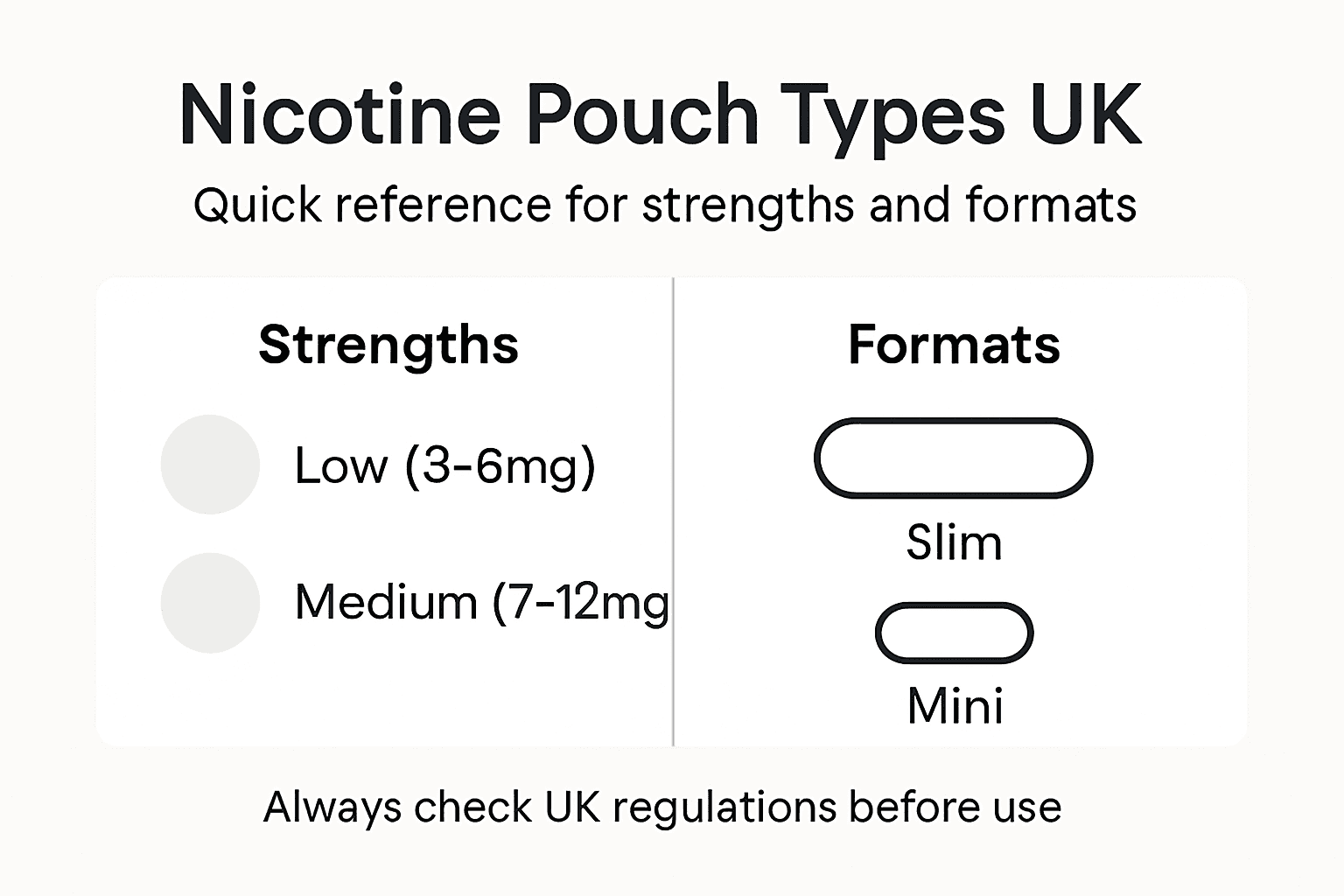
Consumers should approach nicotine pouch selection methodically, considering personal nicotine requirements, preferred flavour profiles, and individual tolerance levels. Careful evaluation ensures a more satisfactory and controlled nicotine experience.
Pro tip: Start with lower nicotine strengths and gradually progress to understand your personal tolerance and preferences.
How nicotine pouches function and are used
Nicotine pouches represent a modern, discrete method of nicotine consumption that differs fundamentally from traditional tobacco products. Nicotine absorption occurs through oral mucosa, with users placing a small pouch between their upper lip and gum to facilitate controlled nicotine delivery.
The key functional characteristics include:
- Placement between upper lip and gum
- No combustion or smoke involved
- Gradual nicotine release
- Discreet and portable design
- Tobacco-leaf free composition
Usage techniques are straightforward and require minimal preparation. Pouches typically remain in place for 5-60 minutes, during which users might experience a mild tingling sensation as nicotine is absorbed. Users can gently manipulate the pouch to modulate nicotine release, though excessive chewing is discouraged.

Important considerations include maintaining hygiene, avoiding swallowing the pouch, and monitoring individual tolerance levels. Each user’s experience will vary based on nicotine strength, personal physiology, and usage frequency.
Pro tip: Always dispose of used nicotine pouches responsibly and wash your hands after handling to maintain proper hygiene.
UK labelling, safety and packaging standards
Current regulatory frameworks for nicotine pouches remain inconsistent, creating significant challenges for consumer safety and transparency in the United Kingdom. The absence of comprehensive guidelines means manufacturers operate with considerable discretion in packaging, labelling, and product presentation.
Key concerns in current packaging standards include:
- Lack of mandatory health warnings
- Inconsistent nicotine content labelling
- Potentially attractive branding targeting younger consumers
- No standardised child-resistant packaging requirements
- Minimal regulatory oversight
The evolving landscape suggests urgent need for comprehensive product regulation, with government proposals aiming to introduce stricter controls. These potential regulations would likely mandate clear nicotine content disclosure, implement standardised health warnings, and establish uniform packaging guidelines to protect consumer interests.
Consumers should remain vigilant, carefully examining product packaging and understanding that current regulatory gaps mean individual research and caution are paramount when selecting nicotine pouch products.
Pro tip: Always scrutinise product packaging carefully and verify nicotine content before purchasing, as current regulations do not guarantee comprehensive product information.
Legal status, age restrictions and compliance
Current legal frameworks for nicotine pouches remain complex and evolving in the United Kingdom. Unlike traditional tobacco products, nicotine pouches occupy a regulatory grey area that presents significant challenges for policymakers and consumers alike.
Key legal considerations include:
- No current minimum age purchase restriction
- Absence of comprehensive advertising regulations
- Lack of standardised content control
- Pending legislative proposals
- Potential future age restrictions at 18 years
Government legislative efforts through the Tobacco and Vapes Bill aim to establish more robust regulatory frameworks. These proposed changes would potentially introduce:
- Mandatory minimum purchasing age of 18
- Comprehensive advertising restrictions
- Enhanced product content regulations
- Standardised packaging requirements
- Consumer protection mechanisms
The current regulatory landscape means consumers must exercise personal responsibility and remain informed about potential legal changes. Understanding these emerging regulations is crucial for responsible nicotine pouch usage.
Pro tip: Stay informed about upcoming legislative changes and always verify local regulations before purchasing or using nicotine pouches.
Comparisons with snus and vaping alternatives
Nicotine pouches represent a distinct alternative to traditional nicotine delivery methods, offering unique characteristics that differentiate them from snus and vaping technologies. Unlike these alternatives, nicotine pouches provide a tobacco-free, smoke-free consumption method with potentially reduced health risks.
Key comparative features include:
- No tobacco content
- Oral nicotine absorption
- Absence of respiratory inhalation
- Discrete usage method
- Lower potential respiratory impact
Compared to traditional alternatives:
- Snus: Contains tobacco, banned in the UK
- Vaping: Involves aerosol inhalation
- Nicotine pouches: Tobacco-free oral nicotine delivery
Emerging research suggests potential harm reduction benefits with these pouches, though long-term studies remain limited. The absence of combustion and tobacco elements positions nicotine pouches as a potentially less harmful nicotine consumption method.
Consumers should approach these alternatives with informed caution, understanding that each method carries unique considerations regarding nicotine absorption, potential health impacts, and individual physiological responses.
Pro tip: Consult healthcare professionals to understand individual suitability and potential risks when exploring nicotine alternatives.
Here is a comparison of nicotine pouches, snus, and vaping products:
| Feature | Nicotine Pouches | Snus | Vaping Devices |
|---|---|---|---|
| Tobacco content | None | Present | None or present (depends) |
| Use method | Oral (lip and gum) | Oral (lip and gum) | Inhaled vapour |
| Status in UK | Legal (unregulated age) | Banned since 1992 | Legal with age restrictions |
| Main health concern | Nicotine dependence | Nicotine, tobacco risks | Nicotine, respiratory risks |
Discover Your Ideal Nicotine Pouch Experience with HitSnus
Understanding the terminology and nuances of nicotine pouches can be challenging, especially when it comes to selecting the right strength and flavour for your needs. This article highlighted key concerns such as distinguishing nicotine pouches from traditional tobacco products and navigating the unregulated landscape in the UK. If you seek smokeless, discreet, tobacco-free nicotine options with clear information on product strength and variety, HitSnus offers a trusted solution.
Explore our diverse selection featuring popular brands like FUMI, and try something with a bold kick from our Spicy Nicotine Pouches – Heat-Infused Flavor Hits Hard – HitSnus range. Whether you are new to nicotine pouches or looking to refine your experience, our detailed descriptions and usage tips will empower you to make informed choices. Visit https://hitsnus.com today to enjoy discreet, high-quality nicotine products tailored for the discerning UK user.
Frequently Asked Questions
What are nicotine pouches and how do they work?
Nicotine pouches are small, tobacco-free pouches filled with nicotine powder that users place between their lip and gum. This allows for smoke-free and discreet nicotine delivery through the oral mucosa.
How do I choose the right nicotine pouch strength?
Nicotine pouch strengths typically range from 3mg to 20mg. It is advisable to start with a lower strength and gradually adjust according to your personal nicotine tolerance and cravings.
Are nicotine pouches harmful compared to traditional tobacco products?
Nicotine pouches are considered to have lower health risks than traditional tobacco products because they do not contain tobacco and do not involve combustion. However, they still contain nicotine, which can lead to dependence.
What should I know about the safety and regulation of nicotine pouches?
Current regulations for nicotine pouches are inconsistent, with minimal mandatory health warnings and packaging standards. Consumers should scrutinise product labels, verify nicotine content, and stay informed about potential legislative changes regarding these products.