





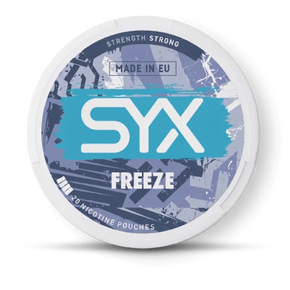







Behind the Scenes: How Nicotine Pouches Are Made (From Ingredients to Finished Can)
Share
Nicotine pouches look simple—small, white portions you place between the lip and gum—but getting a consistent pouch (taste, feel, moisture, and nicotine delivery) requires a tightly controlled production process. Nicotine pouches are typically made with nicotine and a blend of plant-based fibres, plus supporting ingredients that manage flavour, moisture, and pH.
This article walks through how modern nicotine pouches are commonly produced at a high level, from raw materials to packaging—without getting into DIY instructions.
Important: Nicotine is addictive. This content is for adult audiences and informational purposes only.
1) What’s inside a nicotine pouch?
Most nicotine pouches are built around a similar “core recipe”:
-
Nicotine (either extracted from tobacco plants or produced synthetically, then added)
-
Plant fibres (often cellulose sourced from plants such as eucalyptus/pine/cotton) to create structure
-
Flavourings (mint, citrus, berry, coffee, etc.)
-
pH regulators to control acidity (which can affect how a pouch feels)
-
Moisture agents (humectants) to help prevent drying and support even release
-
Optional sweeteners (some products use sweeteners; many are “sugar-free”)
The pouch itself is typically a porous “tea-bag style” material designed to hold the contents while letting flavour and nicotine diffuse during use.
2) Step-by-step: How nicotine pouches are commonly produced
Step A — Raw material checks and batching
Before anything is mixed, manufacturers usually verify incoming materials and measure them into batches. This helps ensure every can of the same product tastes and feels consistent.
Typical checks include:
-
Ingredient identity and documentation
-
Moisture levels (especially important for fibres and humectants)
-
Consistency of flavouring concentrates and nicotine inputs
Step B — Making the “pouch fill” blend
The dry base (plant fibre) is blended with nicotine and supporting ingredients. The goal is a mixture that:
-
stays evenly distributed (no “hot spots”)
-
maintains a target moisture level
-
handles well in automated filling equipment
Step C — Conditioning (resting) for consistency
In many modern production workflows, the blend is allowed to condition for a period so the moisture and flavour equilibrate throughout the mixture. That’s one reason two pouches from the same can tend to feel similar.
Step D — Portioning and filling
Next, the blend is portioned into precise amounts per pouch. Machines typically:
-
feed pouch material (like a continuous strip)
-
form pockets/compartments
-
dispense a measured quantity of the blend
-
move pouches along a line for sealing
Step E — Sealing and shaping
The pouches are sealed to keep the contents contained and to create the final shape (mini, slim, etc.). The seal has to be strong enough to hold together during shipping and use, while still allowing diffusion through the pouch material.
Step F — Quality control (QC) and verification
Quality checks are where reputable production stands out. Common QC focuses on:
-
weight control (pouch-to-pouch consistency)
-
seal integrity (no leaking)
-
moisture targets
-
nicotine and pH verification (to ensure the product matches its specification)
Some brands also reference third-party testing initiatives to increase transparency about nicotine levels and related measures.
Step G — Packaging (and traceability)
Finally, pouches are counted into cans, sealed, labeled, and boxed. Many cans include a used-pouch compartment built into the lid for on-the-go disposal.
Good packaging isn’t only about shelf appeal—it also supports:
-
freshness (keeping moisture where it should be)
-
batch/lot traceability
-
clear strength/flavour identification
3) Why two “same strength” pouches can feel different
Even when labels show similar nicotine strength, the experience can vary due to:
-
moisture level
-
flavour formulation
-
pH settings (how acidic/basic the pouch blend is)
This is one reason manufacturers control blending, conditioning, and QC so tightly.
4) Snus vs nicotine pouches: the key production difference
Traditional snus uses tobacco leaf as a main component, while nicotine pouches typically replace tobacco leaf with plant fibres and add nicotine separately.
That swap changes the ingredient handling, blending, and consistency targets—while keeping the familiar “portion under the lip” format.
5) What “good manufacturing” looks like (from a consumer perspective)
If you’re evaluating brands as an adult consumer, signs of a more controlled product process often include:
-
clear labeling (strength, ingredients, lot/batch info)
-
consistent pouch texture and moisture from can to can
-
reputable sourcing and transparency around testing
FAQ
Are nicotine pouches tobacco-free?
Many nicotine pouches do not contain tobacco leaf; they are typically nicotine + plant fibres + flavourings and supporting ingredients.
Do nicotine pouches contain sugar?
Some products use sweeteners, but they’re commonly positioned as sugar-free (sweeteners aren’t the same as sugar).
Why is moisture important?
Moisture affects texture, comfort, and how evenly flavour and nicotine release—so manufacturers try to hit a consistent target.