





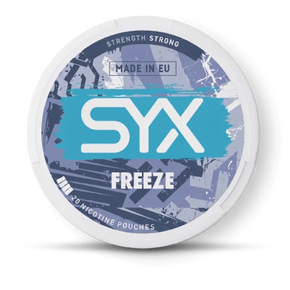







No, nicotine pouches don't contain sugar, but here's what they do have
Nicotine pouches do not contain table sugar. Manufacturers sweeten them with non-caloric artificial sweeteners instead, primarily to mask the bitterness of nicotine itself. If you have been searching “nicotine pouches sugar” hoping for a straight answer, here it is: what you are tasting is not sucrose or glucose, it is a small dose of synthetic sweetener measured in trace amounts.
Three things worth knowing straight away:
- Sweetener types: sucralose, acesulfame-K, and occasionally xylitol are the most common choices across major brands.
- Measured amounts: chemical analysis of tested products found roughly 0.3 to 1.2 milligrams of sweetener per pouch, a fraction of what you’d find in a stick of chewing gum.
- The real caveat: calories are a non-issue, but nicotine itself can still nudge your blood glucose and insulin sensitivity, which is a separate conversation from sugar content entirely.
Table of Contents
- Do nicotine pouches contain sugar or sweeteners instead?
- Sugar-free nicotine pouches: what studies found
- Nicotine versus sugar: the real metabolic story
- Do sugar-free pouches still carry dental risks?
- How to check if your pouch is genuinely sugar-free
- Why trust this guide
- Sugar-free pouches worth trying from Hitsnus
- Sources
- FAQ
Do nicotine pouches contain sugar or sweeteners instead?
The short answer is sweeteners, not sugar, but understanding why requires knowing what a pouch actually is. Strip away the flavour and nicotine, and you are left with a small fibre sachet built almost entirely from food-grade fillers.
Here is what typically goes into a pouch, ingredient group by ingredient group:
- Cellulose matrix – microcrystalline cellulose and water form the bulk of the pouch, acting as the physical carrier that holds everything else in place and controls how the pouch feels against your gum.
- Nicotine – extracted and purified, then dosed at specific strengths depending on the product.
- Flavourings – food-grade compounds ranging from mint and berry to more novel profiles like watermelon or blue raspberry.
- Humectants – propylene glycol and glycerol keep the pouch moist and help release flavour and nicotine steadily rather than in one hit.
- pH buffers – usually sodium carbonate, which adjusts alkalinity to affect how quickly nicotine is absorbed through the gum.
- Sweeteners – sucralose and acesulfame-K appear most often, added specifically to counteract nicotine’s naturally bitter, almost metallic taste.
None of this is exotic. These are the same categories of ingredient you would find listed on a packet of sugar-free chewing gum or a diet soft drink. The difference is concentration and delivery method. A useful primer if you want the full ingredient list broken down brand by brand is this guide to nicotine pouch ingredients, which covers labelling conventions in more depth than most product pages bother to.
Sugar-free nicotine pouches: what studies found
The clearest evidence on sweetener content comes from laboratory chemistry, not marketing claims. A peer-reviewed LC-MS analysis of US-marketed oral nicotine pouch products tested a wide range of commercial pouches and found artificial sweeteners were near-universal across the sample.
The findings were specific rather than vague:
- Acesulfame-K appeared at roughly 0.3 to 0.9 milligrams per pouch.
- Sucralose showed up at approximately 0.6 to 1.2 milligrams per pouch.
- Some brands increased sweetener content alongside nicotine strength, meaning a stronger pouch sometimes carried more sweetener to offset the harsher taste.
Statistic callout: Products labelled “unflavoured” still tested positive for acesulfame-K in the same study, which means a “no flavour” claim on packaging does not guarantee an absence of sweeteners.
Why does this matter beyond curiosity? Researchers from Duke University School of Medicine suggest sweeteners do more than improve taste. They mask the natural aversiveness of nicotine, which can make products easier to use for longer and potentially easier to start using in the first place. Separate laboratory work in mice found that animals lacking sweet-taste receptors consumed less nicotine extract than those with normal taste perception, pointing to sweeteners as a genuine driver of product appeal rather than a cosmetic afterthought.
On the calorie question, the numbers settle it quickly. A gram of table sugar contains around 4 calories. The sweetener load in a single pouch sits at a fraction of a milligram. Even heavy daily use adds an amount of sweetener too small to register on any nutritional scale, so pouches are effectively calorie-free regardless of flavour intensity or sweetness level.
Nicotine versus sugar: the real metabolic story
Here is where the sugar-free label can mislead people into thinking pouches have zero metabolic impact. They don’t, but not because of sweeteners.
Artificial sweeteners at the doses found in pouches, well under a milligram in most cases, do not deliver enough carbohydrate to trigger a meaningful insulin response. That part of the “sugar” question is settled. Nicotine is a different matter entirely.
- Nicotine prompts the release of catecholamines and cortisol, stress hormones that can reduce insulin sensitivity and raise blood glucose independent of anything you have eaten or drunk.
- This effect happens whether the nicotine arrives via a sugar-free pouch, a cigarette, or a patch. The delivery method and sweetener content are irrelevant to this pathway.
- Epidemiological research has found smokeless nicotine users carry a roughly 13 to 19% higher relative risk of certain type 2 diabetes subtypes compared with non-users, a pattern researchers attribute to nicotine’s hormonal effects rather than any caloric content in the product.
The takeaway is straightforward. If you are watching blood sugar for health reasons, the sweetener in your pouch is not the concern. The nicotine is.
Do sugar-free pouches still carry dental risks?
Low sugar content genuinely does mean lower cariogenic risk. A dental review published in the British Dental Journal confirms that pouches are composed mostly of water and microcrystalline cellulose, roughly 80 to 90% of total content, with sweeteners rather than fermentable sugars driving any taste. That is good news for cavity risk specifically.
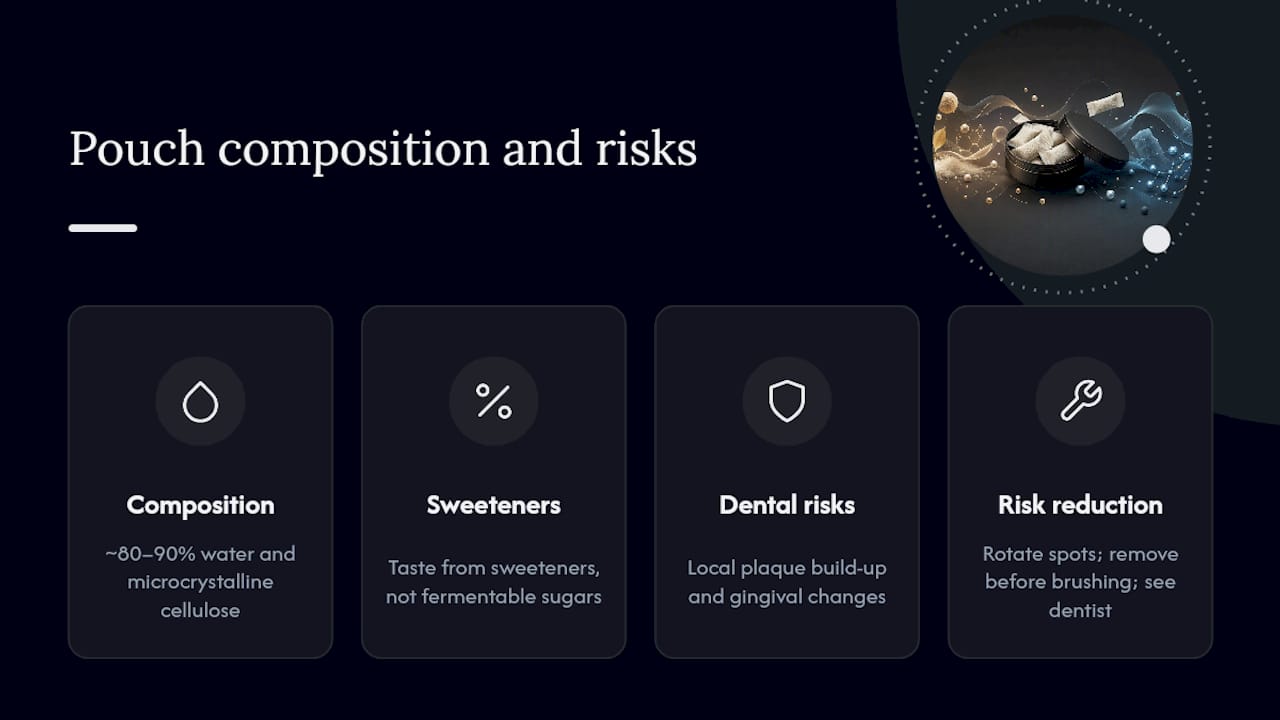
It is not the whole story, though. The same review notes that regular pouch placement against one spot of gum tissue can cause localised plaque accumulation and gingival changes over time, separate entirely from sugar or sweetener content. Prolonged contact with any foreign material, sweet or not, can irritate soft tissue.
Pro Tip: Mention your pouch use at your next dental check-up, even if you think it’s irrelevant. Dentists can often spot signs of regular placement, and flagging it yourself means they can check specifically for gum recession or plaque build-up in that area.
Practical steps that make a real difference: rotate placement spots rather than using the same one every time, remove the pouch before brushing rather than around it, and see a dentist if you notice persistent soreness, whitening, or gum recession at a placement site. For more detail on this specific topic, this piece on nicotine pouches and oral health covers both the benefits and risks side by side.
How to check if your pouch is genuinely sugar-free
Packaging language varies more than you would expect, and “sugar-free” on the front of a tin does not always tell you what sweetener sits behind it. A quick label check settles most doubts.
- Scan the ingredient list for sucralose, acesulfame-K, xylitol, sorbitol, or aspartame. These are the standard names manufacturers use, and at least one usually appears.
- Understand what “sugar-free” actually confirms. It means no sucrose or glucose was added. It says nothing about whether an artificial sweetener is present, so read past the front-of-pack claim.
- Contact the retailer or manufacturer directly if a product page is vague. Reputable sellers list full ingredient panels, and ambiguity is usually a sign worth asking about before buying.
- Build a simple checklist before purchasing: confirm nicotine strength, note the declared sweeteners, gauge flavour intensity against your preference, and check the product page for a full breakdown rather than relying on the tin alone.
For guidance on how nicotine strength and product formulation interact with overall safety, this safety overview for UK users is worth a read alongside your label check.
Why trust this guide
This article was written by Fabio, drawing on peer-reviewed chemical analysis and dental research rather than marketing copy or brand claims. The core sweetener figures come from a laboratory LC-MS study of US-marketed oral nicotine pouches, and the dental findings come from a clinical review published in the British Dental Journal.
Further reading:
- Nicotine pouches collection for browsing sugar-free options by brand and strength.
- Nicotine pouch ingredients guide for a fuller breakdown of what goes into every pouch.
- How tobacco affects dental health, an external dental resource covering oral tobacco effects more broadly.
Sugar-free pouches worth trying from Hitsnus
Sourcing a genuinely sugar-free pouch shouldn’t mean guessing from a vague label, and Hitsnus lists full ingredient information on every product page rather than burying it in small print. If you want a starting point that matches the sweetener transparency covered above, three options stand out.
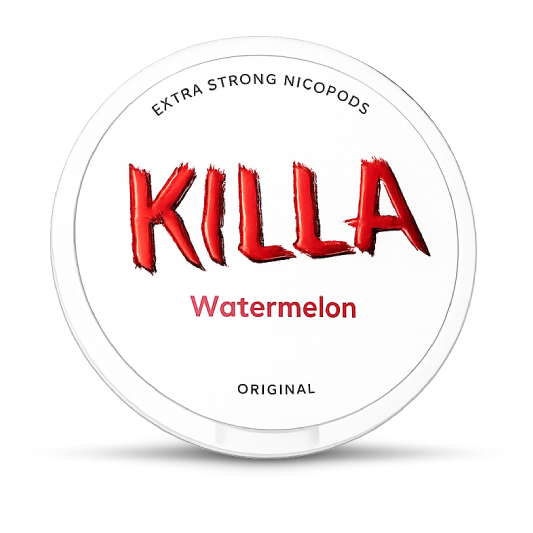
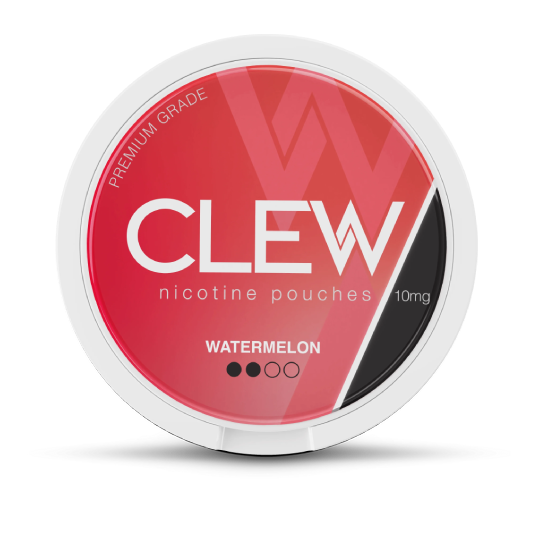
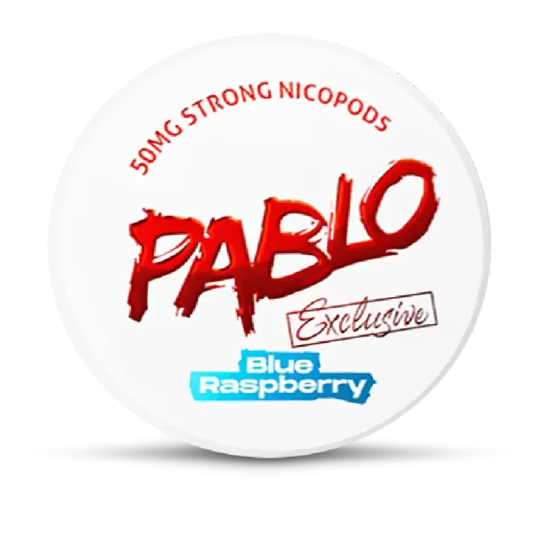
Clew Watermelon delivers a fruity, summery profile at a moderate 10mg strength, sweetened without any added sugar. Pablo Blue Raspberry suits anyone who prefers a sharper, tangier flavour with the same sugar-free formulation. Killa Watermelon offers a comparable fruit profile from a different brand, useful if you want to compare taste and texture across similar flavoured pouches before settling on a favourite.
Browse the full nicotine pouch collection to compare strengths, flavours, and declared sweeteners side by side, and pick the one that fits what you have just read.
This article is general information, not a substitute for advice from a qualified doctor. Consult a qualified healthcare professional about your own circumstances before acting on anything here.
Sources
- Artificial Sweeteners in US‑Marketed Oral Nicotine Pouch Products: Correlation With Nicotine Contents and Effects on Product Preference
- Artificial Sweeteners in Nicotine Pouches May Encourage Use, Study Finds
- Nicotine pouches: a review for the dental team | British Dental Journal
- Association between smokeless tobacco use and risk of type 2 diabetes (example epidemiological study)
- Does nicotine raise glucose? Insulin & metabolic effects - Nutrisense Journal
FAQ
Is there any sugar in nicotine pouches?
No. Nicotine pouches use non-caloric artificial sweeteners such as sucralose and acesulfame-K rather than table sugar, typically at 0.3 to 1.2 milligrams per pouch.
Is 20 nicotine pouches a day bad for you?
Twenty pouches a day represents heavy nicotine intake regardless of sweetener content, and the concern at that volume is nicotine’s effect on heart rate, blood pressure, and insulin sensitivity rather than sugar or calories.
Do nicotine pouches spike insulin?
The sweeteners themselves do not spike insulin at these doses, but nicotine can reduce insulin sensitivity and raise blood glucose through cortisol and catecholamine release, separate from anything to do with sugar.
Can dentists tell if you use nicotine pouches?
Often, yes. Regular pouch placement can cause localised plaque build-up or gum changes at the contact site, which dentists may notice during a routine check-up even without being told beforehand.