





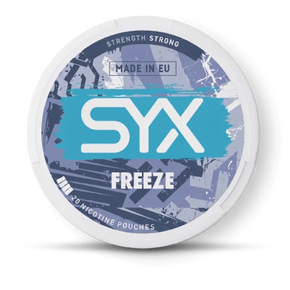







Debunking nicotine pouch myths: what users need to know
- Nicotine pouches contain synthetic or extracted nicotine, not tobacco leaf, making them tobacco-free products.
- They are significantly less harmful than cigarettes due to the absence of combustion byproducts and carcinogens.
- Risks include addiction, cardiovascular effects, and oral irritation, especially for non-users and vulnerable groups.
Nicotine pouches have grown rapidly in popularity, yet myths about them spread just as fast. Some users believe they are no different from cigarettes. Others assume they are completely harmless. Both extremes are wrong, and believing either one can lead to poor decisions about your health and nicotine use. Nicotine pouches contain no tobacco leaf, relying instead on synthetic or extracted nicotine combined with plant fibres, flavours, and pH adjusters. That single fact changes almost everything about how they should be understood. This article works through the most common myths, sets the record straight with real evidence, and helps you make informed choices.
Table of Contents
- Nicotine pouches: what they are and what they are not
- Myth 1: Nicotine pouches are just as harmful as smoking
- Myth 2: Nicotine pouches are ‘safe’ and not addictive
- Myth 3: Nicotine pouches are approved for quitting smoking
- Myth 4: Anyone can use nicotine pouches safely
- Our perspective: what the science really means for users
- Ready to choose better? Explore safer nicotine pouch options
- Frequently asked questions
Key Takeaways
| Point | Details |
|---|---|
| Pouches are tobacco-free | Nicotine pouches contain no tobacco leaf and do not produce tobacco juices or require spitting. |
| Lower toxicant exposure | They avoid harmful combustion chemicals found in smoking, reducing many health risks. |
| Not risk-free | Nicotine pouches are addictive and carry cardiovascular and oral health risks, especially for non-users and youth. |
| Not approved for quitting | Nicotine pouches are not licensed as stop-smoking aids, but may be offered as lower-risk alternatives to cigarettes. |
| Seek regulated suppliers | Using certified sources ensures better safety, accurate labelling, and consumer support. |
Nicotine pouches: what they are and what they are not
Before tackling myths, it helps to understand exactly what sits inside that small white pouch. A nicotine pouch is a pre-portioned sachet placed between the gum and lip. It contains nicotine (either synthetically produced or extracted from tobacco plants), plant-based fibres, flavourings, and pH adjusters that help nicotine absorb through the gum tissue. What it does not contain is tobacco leaf in any form.
This distinction matters enormously. Nicotine pouches are tobacco-free, spit-free, and require no chewing and produce no tobacco juices. Compare that to snus, which is a moist tobacco product placed under the lip, or chewing tobacco, which involves actual tobacco leaf and requires spitting. The physical experience may feel similar, but the chemistry is fundamentally different. You can read more about the snus vs nicotine pouches distinction to see just how significant those differences are.
Here is what nicotine pouches actually contain:
- Nicotine (synthetic or plant-extracted, never from tobacco leaf)
- Plant fibres (typically cellulose, acting as the pouch filler)
- Flavourings (mint, citrus, berry, and many others)
- pH adjusters (to optimise nicotine absorption)
- Stabilisers and moisture agents
Who uses them? Primarily adult smokers or existing nicotine users who want a discreet, smoke-free option. The difference from snus is not just cosmetic; it reflects a genuinely different product category.
“Nicotine pouches are positioned as tobacco-free alternatives, designed for discreet use without combustion, spitting, or tobacco residue.”
Pro Tip: If you are new to nicotine pouches and come from a snus background, expect a cleaner, drier experience with no tobacco taste. The nicotine delivery is real, but the product behaves quite differently under the lip.
Myth 1: Nicotine pouches are just as harmful as smoking
This is perhaps the most damaging myth in circulation, because it discourages smokers from considering a significantly less harmful alternative. The comparison simply does not hold up to scrutiny.

Smoking involves combustion. When tobacco burns, it produces over 7,000 chemicals, including at least 70 known carcinogens. Tobacco-specific nitrosamines (TSNAs), carbon monoxide, benzene, and formaldehyde are all products of that burning process. Nicotine pouches involve none of this. There is no fire, no smoke, and no combustion.
Toxicants like TSNAs are undetectable or negligible in nicotine pouches compared to cigarettes or snus. That is not a marketing claim; it is the result of chemical analysis. Furthermore, switching to pouches reduces biomarkers of exposure to harmful substances at a level comparable to quitting smoking entirely.
| Substance | Cigarettes | Nicotine pouches |
|---|---|---|
| Tobacco-specific nitrosamines (TSNAs) | High | Undetectable or negligible |
| Carbon monoxide | Present | Absent |
| Tar | Present | Absent |
| Benzene | Present | Absent |
| Combustion byproducts | Hundreds | None |
The table above makes the contrast stark. This does not mean pouches are risk-free (more on that shortly), but the idea that they are safer than cigarettes is well-supported by evidence. Exploring toxicants in pouches in more detail reveals just how different the chemical profiles are.
It is also worth noting that nicotine itself does not cause cancer. Cancer risk from tobacco comes from the cocktail of chemicals produced during combustion, not from nicotine itself. Conflating the two is a common and costly error.
Key facts:
- No combustion means no tar, no carbon monoxide, no smoke-related carcinogens
- TSNAs are absent or negligible in nicotine pouches
- Switching fully from smoking to pouches produces measurable reductions in harmful biomarkers
Myth 2: Nicotine pouches are ‘safe’ and not addictive
The opposite myth is equally misleading. Because pouches lack combustion products, some users assume they carry no meaningful risk. That assumption is wrong and potentially dangerous.
Nicotine is highly addictive regardless of how it is delivered. Pouches deliver 1 to 47mg of nicotine per pouch, with higher-strength products potentially exceeding what a single cigarette delivers. Dependence can develop quickly, particularly with frequent use of strong products.
The health risks of nicotine pouches include:
- Nicotine addiction (often underestimated by new users)
- Cardiovascular effects such as increased heart rate and raised blood pressure
- Oral and gum irritation, particularly with prolonged or high-frequency use
- Unknown long-term effects, since the product category is relatively new
These risks are real: addiction, cardiovascular effects, potential oral irritation, and unknown long-term consequences mean pouches are not suitable for youth, pregnant women, or people who do not currently use nicotine. The harm reduction benefit applies specifically to existing nicotine users, particularly smokers, who switch completely.
The critical word there is completely. Using pouches alongside cigarettes does not provide the same benefit as switching entirely. Dual use can maintain addiction while adding a new product to the mix.
Pro Tip: If you are new to nicotine pouches, start with a lower strength (2mg or 4mg) and give your body time to adjust. Higher strengths are designed for established, heavy nicotine users, not beginners.
Myth 3: Nicotine pouches are approved for quitting smoking
This myth causes real confusion, particularly among smokers who are genuinely trying to reduce harm or quit entirely. The regulatory picture is more nuanced than most people realise.
In the United States, some nicotine pouches have received FDA authorisation, but that authorisation is specifically for marketing as a lower-risk alternative for current users, not as approved cessation aids. There is a meaningful difference. Being authorised as a modified-risk tobacco product means the FDA accepts that the product exposes users to fewer harmful chemicals than cigarettes. It does not mean the product is approved to help people quit nicotine altogether.
No current evidence shows nicotine pouches outperform established nicotine replacement therapies (NRT) such as patches or gum, or e-cigarettes, for smoking cessation. You can compare the options in more detail by looking at nicotine pouches vs NRT.
Here is how nicotine pouches fit into the harm reduction spectrum:
- Complete cessation remains the gold standard for health outcomes
- Approved NRT (patches, gum, lozenges) are the first-line tools for quitting
- Nicotine pouches offer a lower-risk alternative for those who cannot or will not quit nicotine
- Dual use (pouches plus cigarettes) provides limited benefit and is not recommended
- Switching fully from smoking to pouches reduces toxicant exposure significantly
“Nicotine pouches are not a quit-smoking tool in the clinical sense. They are a harm reduction option for existing nicotine users who want to move away from combusted tobacco.”
Understanding the nicotine pouch benefits in the right context helps users set realistic expectations rather than being disappointed or misled.
Myth 4: Anyone can use nicotine pouches safely
Nicotine pouches are an adult product designed for existing nicotine users. They are not universally safe, and there are specific groups for whom use carries particular risk.
Health risks include addiction, cardiovascular effects, oral irritation, and unknown long-term effects, and the product is explicitly not safe for youth, pregnant women, or non-users. This is not a cautious disclaimer; it reflects genuine physiological risk.
Who should avoid nicotine pouches entirely:
- Young people under 18 (or the legal age in your country)
- Pregnant or breastfeeding women
- People with cardiovascular conditions
- Anyone who has never used nicotine and has no intention of doing so
- Those with a history of nicotine dependence who are currently abstinent
The flavour variety available in pouches is a genuine public health concern. Appealing flavours (mint, mango, berry) may attract younger users who would not otherwise seek out nicotine products. Youth use sits at around 1.8% among US students, and while current data does not confirm a gateway effect, monitoring is ongoing and necessary.
| User group | Risk level | Recommendation |
|---|---|---|
| Adult smokers switching fully | Lower relative risk | Appropriate with caution |
| Adult non-nicotine users | Unnecessary risk | Avoid |
| Youth (under 18) | High risk | Do not use |
| Pregnant or breastfeeding women | High risk | Do not use |
| Dual users (pouches + cigarettes) | Elevated risk | Switch fully or cease |
You can explore youth access concerns and who uses nicotine pouches in Britain to understand the broader picture. Long-term data on pouch use is still emerging, which is why responsible, moderate use matters.
Our perspective: what the science really means for users
Most myths about nicotine pouches come from one fundamental error: conflating nicotine with the harms of smoked tobacco. Nicotine causes addiction. Smoked tobacco causes cancer, heart disease, and lung damage. Those are related but distinct problems, and treating them as identical leads to bad decisions in both directions.
For adult smokers, the evidence is genuinely encouraging. Nicotine pouches offer real harm reduction potential as tobacco-free, smoke-free alternatives with substantially lower toxicant profiles, supported by chemical analyses and biomarker studies. Some trials even show better user satisfaction compared to traditional NRT. That is meaningful data.
For non-smokers, the calculus is entirely different. Starting nicotine use via pouches introduces addiction risk with no offsetting benefit. The science does not support that choice.
Our view is straightforward: use the evidence as it is, not as you wish it were. Pouches are a better option than cigarettes for existing users who switch fully. They are not a free pass. Moderation, appropriate strength selection, and staying informed as new research emerges are the practical steps that make harm reduction actually work.
Ready to choose better? Explore safer nicotine pouch options
Now that you have a clearer, evidence-based picture of what nicotine pouches are and are not, the next step is finding products you can trust from a supplier who takes quality seriously.
At Hitsnus, we stock a wide nicotine pouch range from established brands including ZYN, Velo, and FUMI, with options across strengths and flavours to suit experienced users and those making the switch from smoking. If you want to explore without committing to full-price orders, our clearance nicotine pouches offer excellent value on quality products. Browse with confidence, knowing every product we carry is from regulated, reputable manufacturers.
Frequently asked questions
Are nicotine pouches less harmful than traditional cigarettes?
Yes; toxicants like TSNAs are undetectable or negligible in nicotine pouches compared to cigarettes, and without combustion there is no tar, carbon monoxide, or smoke-related carcinogens.
Can nicotine pouches help me quit smoking?
No; nicotine pouches are not approved as cessation aids but are sometimes authorised as lower-risk alternatives for existing nicotine users, which is a meaningfully different status.
Are nicotine pouches safe for pregnant women?
No; nicotine pouches are not safe for pregnant or breastfeeding women, as nicotine affects foetal development and can trigger adverse cardiovascular outcomes.
Do nicotine pouches cause cancer?
Nicotine is not carcinogenic; cancer risk from tobacco products comes from combustion byproducts and TSNAs, which are absent or negligible in nicotine pouches.
What are the main health risks of nicotine pouches?
The main risks include addiction, cardiovascular effects, and oral irritation, and because the product category is relatively new, long-term effects are not yet fully understood.