





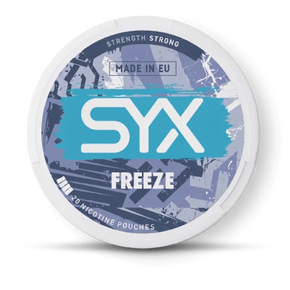







Nicotine habit reduction tips that actually work
TL;DR:
- Reducing nicotine intake is more effective with a structured, gradual approach combined with behavior change and appropriate products. Understanding cravings as neurobiological events helps maintain patience and focus on management rather than failure. Using support tools like NRT and smokeless alternatives with a clear plan increases the chance of lasting success.
Cutting down on nicotine is rarely as simple as deciding to stop. The cravings arrive fast, the withdrawal symptoms feel relentless, and willpower alone is seldom enough. These nicotine habit reduction tips are built around what genuinely helps: a structured approach that works with your biology rather than against it. Whether you want to reduce nicotine gradually, switch to a less harmful alternative, or eventually quit entirely, the strategies below will give you a realistic path forward.
Table of Contents
- Key takeaways
- 1. Understand what you’re actually dealing with
- 2. Set a clear goal before you start
- 3. Cut down gradually and track your progress
- 4. Use nicotine replacement therapy strategically
- 5. Consider smokeless alternatives as a stepping stone
- 6. Identify and manage your personal triggers
- 7. Use distraction and movement to reduce nicotine cravings
- 8. Cut back on caffeine during the reduction phase
- 9. Build a support network
- 10. Comparing your options: which approach fits?
- My honest take on overcoming nicotine addiction
- Ready to take the next step with Hitsnus?
- FAQ
Key takeaways
| Point | Details |
|---|---|
| Plan before you reduce | Setting a specific goal or quit date significantly improves your chances of sticking to a reduction plan. |
| Gradual beats cold turkey for most | Slowly cutting down nicotine intake suits most adults better than stopping abruptly. |
| Combine NRT with behaviour change | Nicotine replacement therapy works best when paired with lifestyle adjustments and coping strategies. |
| Smokeless alternatives help transition | Nicotine pouches and similar products can support a gradual move away from combustible tobacco. |
| Cravings are temporary | Each craving typically peaks and fades within minutes. Knowing this changes how you respond to it. |
1. Understand what you’re actually dealing with
Before choosing a reduction method, it helps to understand nicotine addiction properly. The clinical term is tobacco use disorder or nicotine dependence, and it involves both a physical and psychological component. Withdrawal symptoms include irritability, anxiety, restlessness, and sleep disruption. These are not signs of weakness. They are the body recalibrating after being denied something it has come to expect.
Recognising that craving is a neurobiological event rather than a personal failing changes everything. Cravings as time-limited problems can be ridden out, managed with tactics, and reduced in intensity over time. That reframe alone gives you a better chance of staying on track.
2. Set a clear goal before you start
Vague intentions rarely survive the first strong craving. You need a specific target. That might be reducing from twenty cigarettes a day to ten, switching to nicotine pouches full-time, or setting a firm quit date four weeks from now. Planning ahead with a quit date reduces surprise cravings and makes the process far more manageable.
Write your goal down. Tell at least one other person. Both of these steps increase accountability without requiring any extra products or costs.
Pro Tip: If a full quit date feels too daunting, set a reduction milestone instead. Committing to ten fewer cigarettes per week is far more achievable than promising yourself you’ll never smoke again. Small wins build momentum.
3. Cut down gradually and track your progress
One of the most practical ways to cut down on nicotine is simply increasing the time between each use. If you currently smoke every forty-five minutes, push it to sixty. Then to ninety. This method of reducing intake gradually is a realistic starting point for people who are not yet ready to quit outright.
Alongside that, try:
- Keeping a daily count of cigarettes or pouches used
- Identifying which uses are habitual versus genuinely craving-driven
- Removing one use per day each week until you reach your target
- Avoiding your first cigarette or pouch until at least thirty minutes after waking
Tracking progress visually, even in a basic notes app, creates a feedback loop that keeps you honest and motivated.
4. Use nicotine replacement therapy strategically

Nicotine replacement therapy (NRT) is one of the most evidence-backed smoking cessation techniques available. It works by delivering controlled amounts of nicotine without the harmful combustion products of cigarettes. The key is using it correctly.
The patch delivers steady, background nicotine throughout the day. Pairing a patch with a faster-acting form such as gum, lozenges, or a nasal spray addresses sudden craving spikes that the patch alone cannot fully suppress.
| NRT form | Best used for | Key consideration |
|---|---|---|
| Nicotine patch | Steady background support | Wear daily; replace every 24 hours |
| Nicotine gum | Craving spikes during the day | Use on a set schedule, not just reactively |
| Nicotine lozenges | Discreet, on-the-go relief | Dissolve slowly; do not chew |
| Nicotine spray | Rapid craving relief | Fastest-acting option |
| Nicotine pouches | Smokeless transitional use | Tobacco-free; available in varied strengths |
NRT is typically recommended for eight to twelve weeks. Stopping too early is one of the most common mistakes people make. The withdrawal that follows premature cessation of NRT often triggers relapse.
Pro Tip: If you are not yet ready to set a quit date, start NRT while still reducing. Practitioners advise beginning NRT on quit day to soften early withdrawal, but even using it ahead of that date to cut down is far better than not using it at all.
5. Consider smokeless alternatives as a stepping stone
For many adults, switching to a smokeless product is a more achievable first step than quitting nicotine entirely. Nicotine pouches in particular have grown significantly in popularity because they are tobacco-free, discreet, and available in multiple strengths. This makes them well-suited to a stepped reduction approach.
You can start with a strength that matches your current intake, then move to lower-strength pouches over several weeks. Explore the range of smokeless nicotine options available to find what fits your routine without forcing an abrupt lifestyle change.
The key advantage of this approach is harm reduction. You remove combustion while still managing physical dependence. The transition also sidelines many smoking triggers because the ritual is entirely different.
6. Identify and manage your personal triggers
Cravings do not appear randomly. They are almost always connected to specific contexts: a cup of coffee, finishing a meal, stress at work, social occasions where others smoke. Avoiding triggers and having support are as effective as any pharmacological tool.
Map your triggers honestly. You do not have to eliminate every one of them. But knowing which situations are highest risk lets you prepare in advance rather than scrambling for willpower in the moment. Replace the habitual reach for a cigarette in those moments with something physical: a walk, water, a piece of gum, or a breathing exercise.
7. Use distraction and movement to reduce nicotine cravings
Exercise is one of the most underused tools in nicotine withdrawal support. Even a brisk ten-minute walk during a craving can take the edge off. Practical distractions including exercise and drinking water are recommended specifically because they address both the mental and physical components of a craving simultaneously.
The logic is straightforward. A craving typically peaks within three to five minutes and then fades. If you can occupy your body and mind for that window, the craving passes without you acting on it. Over time, the frequency and intensity of cravings reduces.
8. Cut back on caffeine during the reduction phase
This one surprises people. Caffeine and nicotine interact in the body, and nicotine actually speeds up caffeine metabolism. When you reduce nicotine, caffeine levels effectively rise, which can increase anxiety, restlessness, and the jittery feeling that closely mimics a craving.
Cutting your coffee intake by roughly half during the first two weeks of reduction is a minor change that pays outsized dividends. It also removes a common cue. For many adults, coffee and cigarettes are so tightly paired that one automatically triggers the urge for the other.
9. Build a support network
Going it alone is optional but rarely advisable. People who have support from friends, family, or a professional quitline are statistically more likely to succeed. Combining support with medication maximises your odds considerably.
This does not mean you need to announce your plan to everyone. One or two people who check in regularly and respond without judgement is genuinely enough. If personal support is limited, quitlines and online communities provide a practical alternative.
10. Comparing your options: which approach fits?
Not every strategy suits every person. Here is a direct comparison to help you decide where to start.
| Approach | Advantage | Limitation |
|---|---|---|
| Gradual reduction | Realistic; matches readiness | Slower initial results |
| Cold turkey | Fastest route to zero | High relapse rate without support |
| NRT patch alone | Consistent background relief | Does not address craving spikes |
| NRT patch plus fast-acting | More complete craving coverage | Requires two products |
| Smokeless pouches | Removes combustion; gradual step-down | Still delivers nicotine |
| Behavioural support only | No products required | Harder without pharmacological aid |
Matching the strategy to your readiness is more important than picking the “best” method in theory. A plan you will actually follow beats a superior plan you abandon after three days.
My honest take on overcoming nicotine addiction
I’ve worked alongside adults trying to change their nicotine habits for long enough to have a clear opinion on what actually works. And it’s this: most people underestimate the role that patience plays, and overestimate what willpower can do alone.
The biggest misconception I encounter is that cravings mean you’re failing. They don’t. They mean your body is doing exactly what addiction biology predicts it will do. In my experience, the adults who succeed are the ones who stop fighting cravings head-on and start working around them instead. They use NRT properly and for long enough. They swap one ritual for another rather than leaving a void. They make the plan about managing behaviour, not about testing character.
What I’ve found also works brilliantly is giving people permission to use harm-reduction tools without shame. Switching to nicotine pouches isn’t failure. It’s a deliberate step away from combustion and toward something more manageable. For many people, it’s the step that finally sticks.
Gradual reduction combined with the right products and a honest look at your triggers is, in my view, the most realistic path to lasting change. The willpower-only approach makes a compelling story, but the evidence and real-world experience both point somewhere else entirely.
— Fabio
Ready to take the next step with Hitsnus?
If you’re looking to reduce your reliance on combustible tobacco, nicotine pouches offer a tobacco-free, discreet alternative that suits everyday life. Hitsnus stocks a wide selection of top brands including ZYN, Velo, and FUMI in multiple strengths and flavours, making it straightforward to find a product that matches your current nicotine level and gradually step down from there.
Fast UK delivery means you can start your reduction plan without delay. Whether you’re exploring pouches for the first time or looking to switch from a brand you’ve already tried, Hitsnus makes it easy to browse, compare, and order with confidence. Visit Hitsnus to explore the full range of tobacco-free nicotine pouches and find the right fit for your reduction plan today.
FAQ
What is the most effective way to cut down on nicotine?
Combining gradual reduction with nicotine replacement therapy is one of the most effective approaches. Matching your chosen method to your current readiness level, rather than forcing cold turkey, significantly improves your chances of sticking with it.
How long does nicotine withdrawal support with NRT typically last?
NRT is generally recommended for eight to twelve weeks. Stopping earlier than this increases the risk of withdrawal symptoms returning and raises the likelihood of relapse.
Can nicotine pouches help me quit smoking?
Nicotine pouches can serve as a stepping-stone by removing combustion while still managing physical dependence. They work best as part of a structured plan to transition to smokeless alternatives and then gradually lower nicotine strength over time.
How do I manage cravings without smoking?
Exercise, drinking water, and distraction techniques help most people ride out a craving, which typically peaks and fades within minutes. Using a fast-acting NRT form such as gum or a lozenge during intense cravings adds pharmacological support to those behavioural tools.
Is gradual reduction better than quitting cold turkey?
For most adults, gradual reduction is more realistic and sustainable because it matches their readiness rather than demanding an abrupt change. Cold turkey can work but carries a higher relapse rate without additional support in place.