





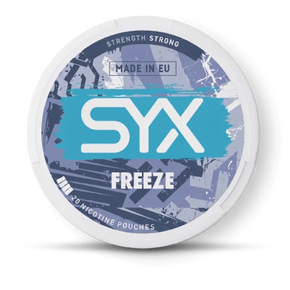







What is pouch bursting? causes, effects & prevention
TL;DR:
- Pouch bursting is the sudden rupture of a nicotine pouch’s material, releasing contents and causing an unintended nicotine spike. It mostly results from moisture damage and mishandling rather than manufacturing defects, making proper storage and correct use essential for prevention. Recognizing symptoms quickly and following storage guidelines helps ensure safer, more consistent nicotine pouch experiences.
Pouch bursting is the sudden rupture of a nicotine pouch’s thin material, releasing its contents into the mouth and delivering an unintended spike in nicotine. This is distinct from a slow leak or gradual ballooning. For users of products like ZYN, Velo, or FUMI, understanding what is pouch bursting matters because the consequences go beyond mild inconvenience. A burst pouch can cause irritation, nausea, and an accidental nicotine dose far stronger than intended. Knowing why it happens and how to stop it puts you in control of a safer, more consistent experience.
What causes pouch bursting in nicotine pouches?

Nicotine pouch bursting most commonly results from user handling practices rather than pressure build-up inside the pouch. That distinction matters. Most users assume a burst is a manufacturing defect, but the reality is that everyday habits are the leading cause.
Material degradation from moisture
Moisture is the primary enemy of pouch integrity. When a pouch absorbs too much saliva or is stored in a humid environment, the material softens and weakens. Over time, this oversaturation makes the pouch brittle at stress points, particularly along the seams. Material brittleness and oversaturation weaken pouch integrity more than internal pressure alone.
Structural stress from handling
Chewing, folding, or repeatedly repositioning a pouch creates mechanical stress that the material is not designed to withstand. Standard nicotine pouches are designed for placement under the lip, not for chewing or folding. Each time you manipulate the pouch beyond its intended use, you introduce micro-tears that eventually lead to a full rupture.
Overfilling and insufficient headspace
A pouch that is packed too tightly has no room to flex. Overfilling and insufficient headspace remove the structural buffer that allows the pouch to absorb dynamic pressure during normal use. Packaging must balance fill efficiency with structural performance. When that balance is off, even gentle jaw movement can trigger a burst.
Manufacturing seal weaknesses
Not all bursts trace back to user behaviour. Sealing jaw temperature during manufacturing is a primary cause of seal failures. Too low a temperature produces an incomplete seal; too high causes material scorching or degradation. Either outcome leaves a weak point that fails under normal use conditions.
The main causes of pouch bursting at a glance:
- Excessive moisture absorption softening the pouch material
- Chewing or folding the pouch beyond its intended design
- Overfilling leaving no room for the material to flex
- Poor sealing during the manufacturing process
- Storing pouches in warm, humid conditions that accelerate degradation
Pro Tip: Store your nicotine pouches in a cool, dry place and always keep the lid on the tin when not in use. Exposure to ambient moisture is the single fastest way to compromise pouch integrity before you even open it.
What are the symptoms and effects of pouch bursting?
A burst pouch announces itself immediately. The experience is unmistakable and, for most users, unpleasant. Recognising the symptoms of pouch bursting quickly allows you to respond before the effects worsen.
Here is what typically happens when a pouch bursts during use:
- Sudden rush of liquid or granular material into the mouth. The pouch contents, normally released slowly through the material, flood out at once. The sensation is abrupt and often startling.
- Intense nicotine hit. An accidental burst releases a concentrated nicotine dose rapidly, which is far stronger than the gradual delivery the pouch is designed for. This spike can cause dizziness, a racing heart, or a sharp tingling sensation in the gums.
- Irritation or nausea. Users experience a sudden burst of high-strength nicotine that the body is not prepared to process at that speed. Nausea is a common response, particularly for those using medium or strong-strength pouches.
- Unpleasant taste and odour. The flavouring agents and nicotine salts inside a pouch are concentrated. Released all at once, they can produce a sharp, bitter taste and a strong odour.
- Risk of swallowing pouch material. A ruptured pouch can fragment, creating a risk of accidentally swallowing pieces of the material. While the material itself is not toxic, swallowing it is not advisable and can cause further stomach discomfort.
Pro Tip: If a pouch bursts in your mouth, remove it immediately and rinse with water. Do not swallow the contents. If you feel persistent nausea or dizziness after a burst, drink water slowly and rest. The nicotine spike will pass, but do not use another pouch immediately afterwards.
Consumers often mistake ballooning, where the pouch swells with pressure, for an imminent burst. Preventing the ballooning phase can avert a full rupture altogether. If you notice a pouch swelling or feeling unusually firm under your lip, remove it before it reaches the point of failure.
How to prevent pouch bursting during use and storage
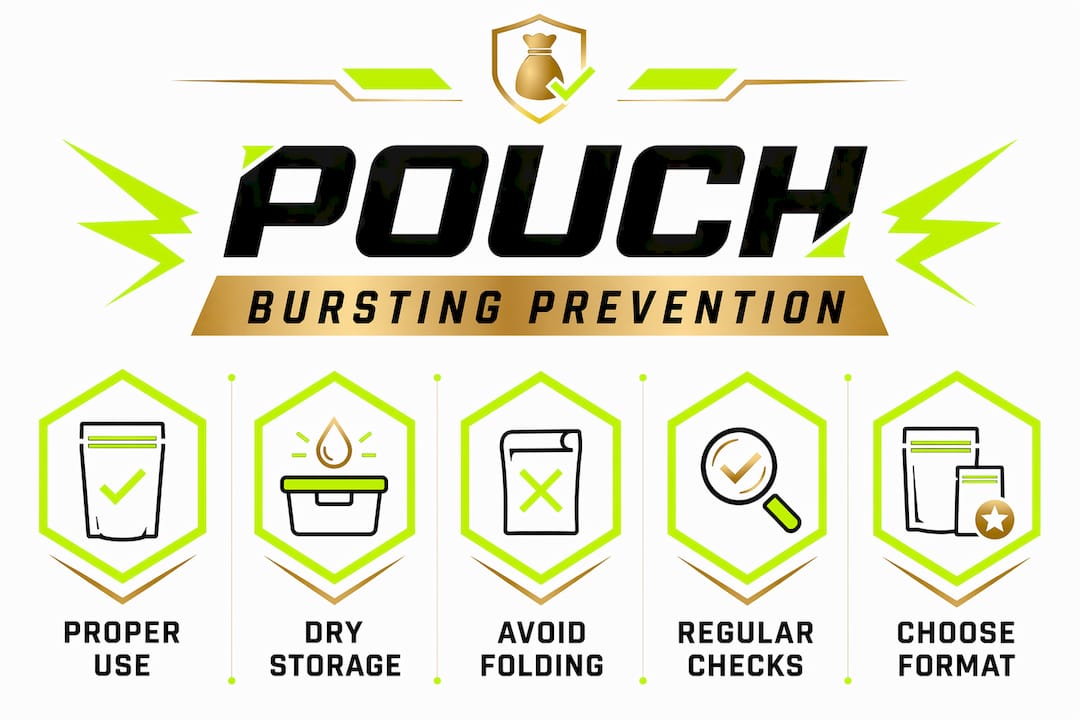
Prevention is straightforward once you understand the causes. The pouch care guidelines below address the most common failure points and apply to all major brands including ZYN, Velo, and FUMI.
Use the pouch correctly from the start. Place it under your upper lip and leave it there. The pouch material shapes nicotine delivery through controlled, gradual release. Chewing or repositioning it repeatedly disrupts that process and stresses the seams.
Choose pouches with strong, verified seals. The role of pouch seals in nicotine pouch quality is significant. A well-sealed pouch resists both moisture ingress and mechanical stress far better than one with a marginal seal. Buying from reputable brands and trusted retailers reduces your exposure to manufacturing defects.
Store pouches properly between uses. Key storage practices to follow:
- Keep pouches in their original sealed tin until use
- Avoid leaving tins in warm environments such as car gloveboxes or direct sunlight
- Do not refrigerate pouches, as condensation when they warm up introduces moisture
- Replace the lid firmly after each use to limit air and humidity exposure
- Never carry loose pouches in a pocket or bag without their tin
Recognise early warning signs. A pouch that feels unusually soft, swollen, or sticky before you even place it is already compromised. Proper storage avoiding excessive moisture and physical manipulation significantly reduces burst risk. Discard any pouch that shows signs of material fatigue before use.
Match pouch format to your habits. Some users find that slimmer, lower-fill pouches are more resistant to bursting because they have more structural flexibility. Understanding pouch formats and their design differences helps you pick a product that suits your usage pattern and reduces the risk of accidental rupture.
How does pouch bursting differ from industrial burst testing?
The term “burst failure” appears in both consumer and industrial contexts, but the causes and standards involved are very different. Understanding this distinction helps you interpret product quality claims more accurately.
In industrial packaging, a burst failure is the sudden, catastrophic loss of a pouch’s integrity under internal pressure. A robust package does not burst below 400 kPa in industrial retort testing. This is a controlled, pressure-based measurement used by manufacturers to certify that packaging meets safety standards before it reaches consumers.
Consumer pouch bursting operates on entirely different mechanics. Industrial burst testing uses controlled inflation to measure seal or material failure, while consumer pouch bursting is mostly due to user misuse or moisture damage. The ASTM F1140 standard defines burst strength as the maximum internal pressure a package can withstand until failure. That metric is useful for quality assurance but does not reflect what happens when a user chews a pouch or leaves it in a humid environment.
| Factor | Industrial Burst Testing | Consumer Pouch Bursting |
|---|---|---|
| Primary cause | Controlled internal pressure | Moisture damage or mishandling |
| Standard applied | ASTM F1140 | No formal consumer standard |
| Measurement | Pressure in kPa until failure | Observed material rupture |
| Who it affects | Manufacturers and QA teams | End users during active use |
| Prevention method | Material and seal specification | Correct use and storage habits |
Packaging engineers advise defining the end-use environment first to specify materials and design that withstand expected stresses. For nicotine pouches, that environment is the human mouth, which is warm, wet, and dynamic. A pouch that passes industrial pressure testing can still fail in use if the material is not suited to sustained oral exposure or if the user handles it incorrectly.
Key takeaways
Pouch bursting in nicotine pouches is caused primarily by moisture damage and improper handling, not manufacturing pressure failure, and is entirely preventable with correct use and storage.
| Point | Details |
|---|---|
| Definition of pouch bursting | The sudden rupture of a nicotine pouch’s material, releasing contents and causing a nicotine spike. |
| Leading causes | Moisture degradation, chewing or folding, overfilling, and weak manufacturing seals. |
| Symptoms to recognise | Sudden content release, intense nicotine hit, nausea, and risk of swallowing pouch material. |
| Prevention essentials | Use pouches under the lip only, store in a cool dry tin, and choose brands with strong seals. |
| Industrial vs consumer bursting | Industrial testing measures pressure limits; consumer bursting is driven by misuse and moisture. |
Why most pouch bursts are entirely avoidable
I have spoken with a lot of nicotine pouch users over the years, and the pattern is consistent. The vast majority of burst incidents come down to one of two things: chewing the pouch out of habit, or storing it carelessly. Neither is a product failure. Both are fixable.
What surprises people is how quickly moisture compromises a pouch. Leaving a tin open on a desk for an afternoon is enough to soften the material noticeably. Users who switch from cigarettes or traditional snus sometimes carry over habits, like manipulating the product with their tongue or teeth, that simply do not translate to nicotine pouches. The design philosophy behind pouches like ZYN or Velo is gradual, controlled release. The moment you interfere with that, you are working against the product.
My honest recommendation is to treat your nicotine pouch safety checklist as seriously as you would any other aspect of your routine. A burst pouch is not just unpleasant. It delivers nicotine in a way the product was never designed to, and that matters for your comfort and your safety. Choose products from brands that invest in seal quality, follow the storage guidance, and resist the urge to fidget with the pouch once it is in place.
— Fabio
Find nicotine pouches with reliable packaging at Hitsnus
If pouch bursting has been a recurring frustration, the product you are using may be part of the problem. Hitsnus stocks a curated range of tobacco-free nicotine pouches from brands known for consistent seal quality and material integrity, including ZYN, Velo, and FUMI.
Every product listed on Hitsnus comes with full strength and format descriptions so you can choose a pouch that matches your habits and reduces burst risk from the start. Fast delivery across the UK means you are never left without a reliable option. Browse the full nicotine pouches collection at Hitsnus and pick a product built to last the full session, not just the first few minutes.
FAQ
What is pouch bursting in nicotine pouches?
Pouch bursting is the sudden rupture of a nicotine pouch’s material during use, releasing its contents into the mouth and causing an unintended spike in nicotine delivery. It is distinct from a slow leak and is most often caused by moisture damage or improper handling.
What are the main symptoms of a burst nicotine pouch?
The most immediate symptoms are a sudden flood of liquid or granular material in the mouth, an intense nicotine hit, and possible nausea or dizziness. Removing the pouch immediately and rinsing with water is the correct response.
How do i prevent pouch bursting?
Place the pouch under your lip and leave it there without chewing or folding it. Store pouches in their sealed tin in a cool, dry location and discard any pouch that feels soft, swollen, or sticky before use.
Does pouch bursting mean the product is defective?
Not always. While manufacturing seal failures do occur, the majority of consumer pouch bursts result from moisture exposure or mishandling rather than a production fault. Choosing reputable brands and following storage guidelines significantly reduces the risk.
Is swallowing burst pouch material dangerous?
The material itself is not toxic, but swallowing it is not recommended and can cause stomach discomfort. If you accidentally swallow a small amount of pouch contents, drink water and monitor for nausea. Seek medical advice if symptoms persist.