










Nicotine Pouches and Lactose: What UK Buyers Should Know
Most nicotine pouches do not contain lactose. They are built on plant-based fibres, water, nicotine, sweeteners and flavourings, not milk ingredients. But “most” is not “all”, and the only reliable check for the pouch in your hand is the ingredients list on the tin. This guide explains what pouches are made of, why dairy rarely features, and what to do if you have lactose intolerance or a milk allergy.
Key takeaways
- Typical nicotine pouches contain nicotine, water, plant fibres, flavourings and sweeteners, with no tobacco leaf and usually no dairy.
- ZYN states that its pouches are lactose free, according to the ZYN FAQ.
- Ingredients can differ between brands, flavours and pouch formats, so read the label on every new product.
- A milk allergy is not the same as lactose intolerance. If you have an allergy, ask your GP, pharmacist or allergy specialist before trying anything new.
Table of Contents
- What nicotine pouches are made of
- Why lactose is rare in pouches
- Can ingredients change between brands and flavours?
- How to check a pouch for lactose
- Lactose intolerance versus milk allergy
- Shopping for dairy-free pouches at Hitsnus
- FAQ
What nicotine pouches are made of
Nicotine pouches sold in the UK are tobacco-free. ZYN explains that its pouches contain no tobacco leaf and are regulated as oral nicotine products rather than tobacco products. The general recipe, as described in ZYN’s UK FAQs, is nicotine, water, plant-based fibres and food-grade flavourings or sweeteners.
In practice, a pouch usually has these building blocks:
| Component | What it does | Typical source |
|---|---|---|
| Nicotine (often as a salt) | The active ingredient | Pharmaceutical-grade nicotine |
| Bulking fibre, such as microcrystalline cellulose | Gives the pouch its shape and body | Plant cellulose |
| Water and moisture agents | Keep the pouch moist and comfortable | Water, humectants |
| pH regulators | Help nicotine release | Food-grade salts |
| Sweeteners | Soften the taste of nicotine | Sucralose, acesulfame K, maltitol |
| Flavourings | Mint, fruit, coffee and so on | Food-grade flavour compounds |
One published breakdown from ZYN lists nicotine salt, a plant-based stabiliser (hydroxypropyl cellulose), fillers (microcrystalline cellulose, maltitol and gum arabic), pH balancers, sweeteners and flavours, and states plainly that the product is lactose free. Lactose is a milk sugar, and none of these usual building blocks is a dairy ingredient.
If you want a deeper look at each component, our guides on what is inside a nicotine pouch and the role of each ingredient go through them one by one.
Why lactose is rare in pouches
Lactose is sometimes used in tablets and lozenges as a filler. Nicotine pouches took a different route. Their base is cellulose, a plant fibre, which is cheap, stable and inert in the mouth. That is why ingredient summaries for the category commonly describe pouches as free from gluten and lactose.
There are two practical reasons this matters to you:
- The pouch is not swallowed. You hold it between gum and lip and take it out afterwards. Contact with the mouth lining is the route, not digestion, though a little saliva will inevitably be swallowed.
- The ingredient list is short. With only a handful of components, it is easy to scan for anything dairy-derived, such as lactose, milk powder, whey, casein or milk protein.
Third-party ingredient checkers apply the same logic. One product-assessment app, for example, says it believes a popular mint pouch is lactose free because no lactose ingredient appears on its label. That is a sensible reading, but it is an assessment of a label, not a guarantee from the manufacturer.
Can ingredients change between brands and flavours?
Yes. Even within one brand, recipes are not identical. ZYN says that its Regular pouches contain extra moisture-retaining components, such as salt, humectants and water, compared with its Mini variants. Flavours bring their own flavouring blends too.
That is why a general statement such as “pouches are lactose free” is a good starting point and a poor substitute for reading the tin. Differences usually show up in:
- Pouch format. Mini, slim and regular pouches use different amounts of fibre and moisture agents. Our explainer on regular, slim and mini pouches covers the practical differences, and the mini vs slim comparison helps you choose.
- Sweetener choice. Some brands use sucralose and acesulfame K, others use sugar alcohols such as maltitol. Sugar alcohols are not lactose, but they can cause digestive discomfort in some people if you swallow a lot of saliva.
- Flavour system. Coffee, dessert and creamy flavours can sound dairy-based. They are usually built from flavourings, not milk. ZYN, for instance, says its coffee-flavoured variants contain no caffeine and rely on flavourings to copy the taste. A name like “cappuccino” is a flavour description, not an ingredient claim, so the label still decides.
How to check a pouch for lactose
The manufacturer’s own advice is straightforward: check the ingredients list on the packaging, which gives the full contents of each product. Here is a quick routine.
- Read the tin, not the web page. Recipes get updated, and the printed list on the batch you hold is the current one.
- Look for dairy words. Lactose, milk, milk powder, whey, casein, cream, butter and milk protein.
- Check the allergen emphasis. In the UK, allergens are normally highlighted in bold on food labels. Pouches are not food, so formatting can differ, and you should not rely on it.
- Compare flavours separately. Do not assume a mint and a creamy flavour share the same list.
- Contact the brand if the list is unclear. Manufacturers have customer care teams for exactly this.
When you shop with us, product pages and our ingredient guide for UK users help you know what to look for before your order arrives.
Lactose intolerance versus milk allergy
These two are often confused, and the difference changes what you should do.
Lactose intolerance means your body does not break down lactose well, which causes bloating or an upset stomach when you eat or drink enough of it. Because a pouch is not eaten and typically contains no lactose, intolerance is unlikely to be a problem. If you notice stomach upset after using pouches, the cause is more likely nicotine itself, a sweetener, or swallowed saliva. Try a lower strength or a shorter use time, and speak to a pharmacist if it continues.
Milk allergy is an immune reaction to milk proteins and can be serious. If you have a diagnosed milk allergy, do not rely on a general article, including this one. Read the full ingredient list, contact the manufacturer to confirm the product, and ask your GP, pharmacist or allergy specialist whether it suits you. If the list is unclear or the brand cannot confirm it, choose a different product.

Two more safety points. Manufacturers advise that pouches should not be modified and that nothing should be added to them, as this may cause injury. And nicotine is addictive, so pouches are for adults who already use nicotine, not for anyone else. Our nicotine pouch safety checklist and safety tips for adult users go through responsible use.
Shopping for dairy-free pouches at Hitsnus
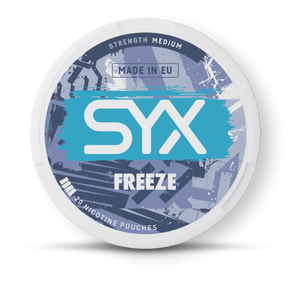
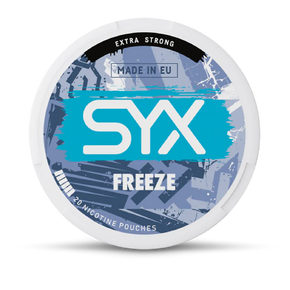
If you want to compare ingredient lists before you buy, our nicotine pouches collection brings together brands such as FUMI and SYX with a wide range of strengths and flavours. If you already know you prefer a particular brand, the ZYN collection lets you browse its range directly, and our ZYN UK guide explains formats and strengths. You can also start from the Hitsnus homepage to explore VELO, KILLA, PABLO and Nordic Spirit.
We sell to adults only. If you are checking the rules before you order, see our summary of the legal status of nicotine pouches in the UK.
FAQ
Do nicotine pouches contain lactose?
Usually not. Pouches are typically made from plant fibres, water, nicotine, sweeteners and flavourings. ZYN states that its product is lactose free. Recipes differ by brand and flavour, so check the ingredients list on the tin of the exact product you plan to use.
Are nicotine pouches gluten free as well?
ZYN says its pouches are gluten free and have tested below 20 parts per million, according to its FAQ. It also advises talking to your doctor before using unfamiliar gluten-free products. If you have coeliac disease, check each product separately.
Can nicotine pouches upset my stomach?
They can in some people. Swallowing a lot of saliva, sweeteners such as sugar alcohols or a strength that is too high for you may all play a part. Try a lower strength and take the pouch out sooner. If the problem continues, speak to a pharmacist or your GP.
What should I do if I have a milk allergy and the ingredients are unclear?
Do not use the product until you have confirmation. Contact the manufacturer’s customer care with the flavour and batch details, and ask your GP, pharmacist or allergy specialist for advice. If you cannot get a clear answer, pick a product whose full ingredient list you can read and understand.
Do creamy or coffee flavours contain milk?
Not necessarily. Flavour names describe taste, and most are created with flavourings rather than real milk or coffee. The only way to be sure is to read the label for words like milk, whey or casein.