





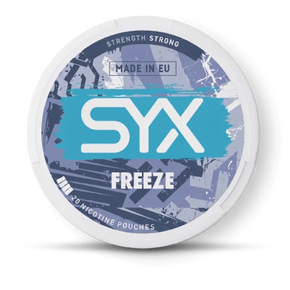







6 Essential Nicotine Pouch Safety Tips for UK Users
Nicotine pouches can seem like a simple choice for those seeking a smoke-free way to get their nicotine fix. But using them safely and effectively is not as straightforward as it appears. Without the right guidance, you risk unwanted side effects, wasted money, or even exposing children to dangerous products.
You want clear answers on safe dosage, storage tips, and what to do if things go wrong. These practical insights will help you use nicotine pouches with confidence, protect your wellbeing, and avoid common dangers.
Get ready to discover straightforward steps that empower you to get the best results from nicotine pouches while keeping yourself and those around you safe.
Table of Contents
- Understand Proper Nicotine Pouch Dosage
- Store Nicotine Pouches Away From Children
- Check Expiry Dates Before Use
- Dispose of Pouches Responsibly
- Avoid Mixing Pouches With Alcohol
- Recognise Signs of Overuse and Seek Help
Quick Summary
| Key Message | Explanation |
|---|---|
| 1. Choose the Right Nicotine Strength | Match the pouch strength to your previous smoking habits to prevent discomfort and effectively manage cravings. |
| 2. Store Pouches Safely | Keep nicotine pouches out of children’s reach to prevent accidental poisoning or addiction. Secure storage is essential. |
| 3. Check Expiry Dates | Always verify the expiry date before using pouches to ensure potency and safety. Expired products may be ineffective or harmful. |
| 4. Dispose Responsibly | Used pouches should be placed in general waste to avoid environmental harm. Never flush them down toilets. |
| 5. Avoid Mixing with Alcohol | Combining nicotine pouches with alcohol increases health risks and can impair judgment. Keep these substances separate for safety. |
1. Understand Proper Nicotine Pouch Dosage
Nicotine pouches contain measured doses designed for consistent delivery through your oral mucosa. Getting the dosage right prevents both wasted product and unnecessary nicotine absorption that could cause discomfort or unwanted side effects.
UK regulations require that nicotine products deliver a consistent dose under normal use conditions. This means you can rely on the strength indicated on your pouch label, whether it’s 2mg, 6mg, 10mg, or higher.
Different strengths suit different users based on smoking history and nicotine tolerance. Someone switching from light cigarettes needs a lower strength than a former heavy smoker. The typical nicotine strength options range from ultra-light to very strong to accommodate this variety.
Finding Your Right Dose
Your ideal dosage depends on several factors:
- Smoking history: Former 20+ cigarettes daily smokers typically start with 10mg or higher
- Current usage patterns: If you currently smoke light cigarettes, 4-6mg pouches work well
- Body weight and metabolism: Larger individuals may require slightly higher strengths
- Personal tolerance: Some users prefer lower doses for occasional use throughout the day
According to UK government guidance on nicotine dose consistency, manufacturers must ensure that pouches deliver measurable, consistent nicotine content per unit under normal use conditions. This regulatory standard gives you confidence in the product’s reliability.
Start with a strength matching your previous smoking habits, then adjust based on how your body responds over the first week or two.
When you first use a particular strength, observe how you feel during the first 15-30 minutes. If you experience dizziness, nausea, or headaches, you’ve chosen too strong a dose. If you crave more nicotine or feel unsatisfied, you may benefit from stepping up a strength level.
Most users find their ideal strength within 2-3 pouches. The beauty of having multiple strength options is that you can experiment safely without commitment to a large purchase.
Pro tip: Keep a usage journal for your first week, noting which strength you used and how satisfied you felt, so you can identify your perfect dosage quickly and avoid wasting pouches on unsuitable strengths.
2. Store Nicotine Pouches Away From Children
Nicotine pouches look deceptively innocent, but they pose serious risks to children who may mistake them for sweets or curiosity items. Secure storage is not optional—it’s a critical responsibility that protects young lives from accidental poisoning and addiction.
The reality is concerning: currently there is no legal age restriction on nicotine pouch sales in the UK, meaning these products can reach children’s hands more easily than you might expect. Nicotine itself is highly toxic to developing bodies and brains, causing rapid absorption through the mouth lining.
Even a single pouch contains enough nicotine to cause serious harm in a child. A young child’s smaller body mass means the same dose affects them far more severely than an adult. Signs of nicotine poisoning include vomiting, rapid heartbeat, tremors, and in severe cases, seizures.
Creating a Child-Safe Storage System
Effective storage requires thinking like a curious child. They explore, climb, and reach for colourful items that catch their eye.
- High shelves: Store pouches on shelves children cannot reach without climbing or assistance
- Locked containers: Use lockable boxes, cabinets, or drawers as your primary storage method
- Out of sight: Never leave pouches on countertops, tables, or in bags left lying around
- Separate from household items: Don’t store pouches alongside snacks or other everyday items children associate with eating
- Guest awareness: Remind visitors who use nicotine pouches to keep their products equally secure
According to UK Trading Standards warnings about nicotine pouches, the regulatory gap means parents and adult users must act as the primary safeguard. Secure storage becomes your most effective protection tool.
A locked drawer or cabinet is the gold standard—it removes temptation entirely and prevents accidental discovery.
If you live with children, housemates, or frequently have young visitors, your responsibility extends beyond casual storage. Think about where guests might place their bags, coats, or personal items. Train yourself to immediately secure any pouches before children have unsupervised access to common areas.
Educate older children about the dangers without making pouches seem forbidden or glamorous. Simple, honest conversations about “adult products” work better than mystery or secrecy.
Pro tip: Keep a reminder note on your bathroom mirror or kitchen cupboard stating “Pouches secured?” to develop a daily habit of checking that all nicotine products are properly locked away before the day ends.
3. Check Expiry Dates Before Use
Expired nicotine pouches lose potency and can deliver inconsistent doses or contain degraded ingredients. Always check the expiry date before use to ensure you’re getting a safe, effective product that meets quality standards.
Manufacturers print expiry dates on packaging for good reason. Over time, nicotine degrades when exposed to light, heat, and moisture, affecting the product’s performance and safety profile. An expired pouch might deliver far less nicotine than intended or taste stale and unpleasant.
The shelf life of nicotine pouches depends on storage conditions. Pouches stored in cool, dark places last longer than those exposed to sunlight or temperature fluctuations. Understanding how nicotine pouch shelf life works helps you maximise the lifespan of your stock.
How to Check Dates Properly
Expiry dates aren’t always easy to spot on packaging. You need to know where to look and what format manufacturers use.
- Front of tin: Some brands print dates prominently on the lid or front label
- Bottom or side: Other manufacturers place expiry information on the tin’s base or sides
- Date format: UK products typically use DD/MM/YYYY format, though some use MM/DD/YYYY
- “Best by” vs “Expiry”: Best by dates indicate optimal freshness, whilst expiry dates are hard limits
- Batch numbers: Check batch numbers if dates aren’t clearly visible—manufacturers can help verify freshness
Make checking the date part of your purchasing routine. Before opening a new tin at home, glance at the date immediately. If it’s within 2-3 months of expiring, use it first before opening newer stock.
Expired pouches don’t deliver consistent doses and can taste unpleasant, so checking dates protects both your safety and satisfaction.
When buying online, reputable retailers rotate stock regularly, but always verify dates before checkout if possible. Request a photo of the date if unclear, or check the seller’s return policy for expired products.
Keep older tins at the front of your storage and newer ones at the back. This rotation system prevents accidentally using expired products whilst fresher stock sits unused.
Pro tip: Create a simple spreadsheet or phone note listing each tin you purchase with its expiry date, so you can plan usage and avoid wasting money on expired stock.
4. Dispose of Pouches Responsibly
Used nicotine pouches shouldn’t simply end up in landfill or the environment. Responsible disposal protects wildlife, prevents groundwater contamination, and demonstrates respect for your local community and ecosystem.
When you discard a pouch carelessly, it enters a waste stream with unpredictable consequences. The pouch material, residual nicotine, and additives take time to break down, potentially leaching chemicals into soil during that period.
Nicotine itself is a pesticide that affects aquatic life and soil organisms. Even small amounts from thousands of discarded pouches accumulate, creating environmental damage that extends far beyond your individual choice. Understanding why nicotine pouch disposal matters in the UK helps you see the bigger picture.
Best Disposal Methods
You have several responsible options depending on your situation and local facilities.
- General waste bin: Place used pouches in your regular household waste—they’re safe for landfill when disposed of this way
- Sealed containers: Wrap used pouches in paper before placing them in general waste to prevent accidental contact
- Specialist recycling: Some local recycling centres accept nicotine products—contact yours to check
- Hazardous waste facilities: A few councils offer specialist disposal for products containing nicotine
- Never flush: Never dispose of pouches down toilets or drains; they don’t decompose in water treatment systems
The safest approach for most UK households is placing used pouches in your general waste bin. They’re designed to be disposed of this way and pose no risk when handled properly.
Used pouches belong in your general household waste bin, sealed properly to prevent contamination or accidental contact.
If you use pouches regularly, consider designating a small container for used pouches before final disposal. This prevents them spreading across your bins and keeps your home cleaner. Empty the container weekly into your general waste.
When travelling, carry a small zip-lock bag specifically for used pouches. Never leave them in public spaces, car parks, or natural environments where animals might investigate or children might discover them.
Pro tip: Keep a small opaque container in your pocket or bag when out, then transfer used pouches to your home waste bin at the end of each day—this prevents littering and keeps them away from curious hands.
5. Avoid Mixing Pouches With Alcohol
Combining nicotine pouches with alcohol creates a dangerous interaction that amplifies health risks and impairs your judgment. The two substances together can increase heart rate, elevate blood pressure, and mask warning signals your body sends about overconsumption.
Nicotine and alcohol both affect your cardiovascular system. When used separately, each substance places demands on your heart and blood vessels. Together, they create a compounded effect that strains your system significantly more than either substance alone.
One major problem is that alcohol dulls your perception of nicotine’s effects. You may feel less satisfied and use more pouches than you normally would, thinking you’re not getting enough nicotine. Meanwhile, alcohol consumption can also increase without you realising how much you’re drinking.
The Real Health Risks
Mixing these substances triggers several concerning physiological responses.
- Elevated heart rate: Both substances increase pulse; combined, the effect intensifies considerably
- Higher blood pressure: Your cardiovascular system works harder than intended, risking long-term damage
- Increased cravings: Using one substance makes you crave the other, creating a cycle of escalating use
- Impaired judgment: Alcohol affects decision-making, so you’re less likely to self-regulate nicotine intake
- Addiction risk: The combination reinforces both habits, making them harder to control
Research shows that health risks of combining nicotine and alcohol include increased consumption levels of both substances and long-term cardiovascular damage. Users often don’t recognise they’re consuming dangerously high amounts until physical symptoms appear.
Avoid using nicotine pouches during or immediately after drinking alcohol to protect your heart and maintain safe consumption levels.
Social situations make this tricky. Pubs, parties, and gatherings where alcohol flows naturally tempt nicotine pouch use. Plan ahead by deciding you’ll skip pouches during drinking occasions, or use them only before alcohol consumption begins.
If you enjoy both substances, separate them by several hours. Wait at least 3 hours after your last alcoholic drink before using a pouch, or avoid pouches entirely on days you’re drinking.
Pro tip: On occasions when you plan to drink alcohol, leave your nicotine pouches at home or in another room to eliminate temptation and protect yourself from making impulsive decisions while alcohol affects your judgment.
6. Recognise Signs of Overuse and Seek Help
Overusing nicotine pouches can trigger uncomfortable symptoms that signal you’re consuming too much. Learning to recognise these warning signs helps you adjust your usage before health problems develop or addiction deepens.
Your body communicates when it’s receiving excessive nicotine. Physical symptoms appear relatively quickly after overuse begins, making them reliable indicators that you need to pull back. Ignoring these signals means you’re pushing your system beyond safe limits.
Common signs include nausea, dizziness, hiccups, and sore mouth. Some users experience a racing heartbeat, tingling sensations, or feeling unusually anxious. These aren’t signs of toughness or nicotine strength—they’re your body telling you to stop.
Recognising Your Personal Warning Signs
Everyone experiences overuse slightly differently based on body chemistry and tolerance levels.
- Nausea and vomiting: Feeling sick is your stomach rejecting excess nicotine
- Mouth soreness: Persistent irritation indicates the pouch is damaging oral tissue
- Dizziness or lightheadedness: Nicotine affects blood pressure; too much causes vertigo
- Hiccups: An unusual but common reaction to nicotine overdose
- Anxiety or jitteriness: Excess nicotine overstimulates your nervous system
- Rapid or irregular heartbeat: A serious sign requiring immediate attention
According to NHS guidance on nicotine pouch symptoms, users should limit themselves to one pouch per hour maximum and seek medical advice if adverse symptoms persist.
If you experience physical symptoms after using a pouch, remove it immediately and wait several hours before using another one.
Track your usage patterns honestly. How many pouches are you using daily? Has that number increased over weeks or months? If you’re using significantly more than when you started, your tolerance is climbing dangerously.
When you experience symptoms, don’t simply push through them. Remove the pouch immediately, drink water, and rest. If symptoms persist beyond 30 minutes or worsen, contact your GP or NHS 111 for guidance.
Addiction can sneak up gradually. You might not recognise you’ve developed psychological dependence until you try cutting back and feel irritable or anxious. Seeking help early prevents this situation.
Pro tip: Keep a simple usage diary for one week, recording how many pouches you use daily and any symptoms you experience, then review it honestly to identify patterns and decide if you need to reduce your intake.
Below is a comprehensive table summarising the key considerations and recommendations provided in the article regarding nicotine pouch use, storage, and safety.
| Aspect | Details | Recommendations | Benefits |
|---|---|---|---|
| Nicotine dosage | Determined by previous smoking habits and personal tolerance. | Start with a dosage matching past cigarette use; adjust accordingly. | Prevents overuse or insufficient nicotine delivery. |
| Storage safety | Secure storage keeps pouches out of reach of children. | Use locked or high-up storage solutions. | Prevents accidental ingestion and potential harm. |
| Check expiry dates | Expiry affects potency and safety. | Inspect expiry dates before use; store in cool, dark conditions. | Ensures consistent nicotine delivery and fresh taste. |
| Responsible disposal | Avoid environmental contamination. | Use general waste bins, never flush pouches. | Protects the ecosystem and maintains cleanliness. |
| Alcohol interaction | Combining substances impacts health negatively. | Avoid mixing nicotine pouches with alcohol consumption. | Reduces cardiovascular strain and preserves judgement. |
| Recognising overuse | Symptoms include dizziness, nausea, and anxiety. | Limit usage to prevent exceeding tolerance levels. | Improves safety and reduces the risk of addiction. |
Safeguard Your Nicotine Experience with Trusted Products from Hitsnus
Choosing the right nicotine pouch dosage and practising safe usage are essential for protecting your health and wellbeing as highlighted in the “6 Essential Nicotine Pouch Safety Tips for UK Users”. Whether you want to find the perfect nicotine strength or ensure your pouches meet safety and quality standards, Hitsnus.com offers a wide selection tailored to your needs. Our expert-curated range includes options designed to help you avoid overuse and manage your intake responsibly.
Explore premium, tobacco-free nicotine pouches online at Nicotine Pouches Online – Tobacco-Free, Fast Shipping – HitSnus and discover products with reliably consistent dosing for UK users. Protect yourself and those around you by selecting from Regular Nicotine Strength – HitSnus options that align with your previous smoking habits. For the best value while maintaining safety, consider checking out our Clearance Nicotine Pouches (Limited Stock) – HitSnus. Your journey towards discreet and safe nicotine consumption starts now at Hitsnus.com. Shop confidently and make every pouch count.
Frequently Asked Questions
What is the proper dosage for nicotine pouches?
To find the proper dosage for nicotine pouches, assess your smoking history and tolerance. Start with a strength that aligns with your previous smoking habits, such as 10mg for heavy smokers or 4-6mg for light smokers, and adjust based on your body’s response within the first week.
How should I store nicotine pouches safely?
Store nicotine pouches out of reach of children by using high shelves, locked containers, or keeping them out of sight in drawers. This action helps prevent accidental poisoning and ensures the pouches remain secure.
How do I check the expiry date on nicotine pouches?
Check the expiry date by looking on the front, bottom, or side of the tin where manufacturers usually print this information. Make a habit of checking the dates before opening each new tin to ensure you’re using pouches that are still effective.
What’s the best way to dispose of used nicotine pouches?
Dispose of used nicotine pouches in your general household waste bin, preferably wrapped in paper to prevent accidental contact. Set a routine to empty your disposal container weekly to maintain cleanliness and prevent environmental harm.
Why should I avoid mixing nicotine pouches with alcohol?
Avoid mixing nicotine pouches with alcohol as they can amplify health risks and hinder your judgement. Protect your health by abstaining from using nicotine pouches while drinking, and plan breaks of at least three hours if consuming both.
What signs indicate I might be overusing nicotine pouches?
Signs of overuse include nausea, dizziness, and rapid heartbeat, indicating your body is reacting to excessive nicotine. Track your usage and if you recognise these symptoms, remove the pouch immediately and wait several hours before using another one.