





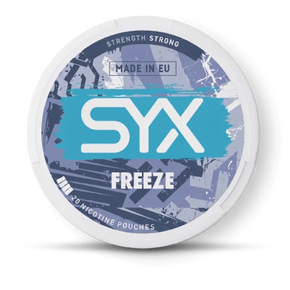







Role of Ingredients in Nicotine Pouches Explained
Finding the right nicotine pouch can feel confusing when ingredient lists look like a chemistry exam. Understanding the real function behind each component matters, especially when safety and personal preference are at stake for adult users across the United Kingdom. This guide breaks down ingredient roles and common misconceptions, helping you choose pouches confidently and tailor your usage for a smoother, more informed experience.
Table of Contents
- Nicotine Pouches Defined And Common Misconceptions
- Types Of Ingredients And Their Functions
- Natural Versus Synthetic Nicotine Explained
- Flavourings, Sweeteners And Their Impact
- Uk Safety Standards And Legal Requirements
- Comparing Major Uk Pouch Brands’ Formulations
Key Takeaways
| Point | Details |
|---|---|
| Understanding Nicotine Pouches | Nicotine pouches are a tobacco-free, discreet method of nicotine consumption, delivering controlled doses without combustion. |
| Health Risks | Despite misconceptions, nicotine pouches carry health risks due to their nicotine content, and users should be cautious. |
| Ingredient Transparency | UK regulations mandate food-grade ingredients and safety assessments to ensure consumer protection. |
| Variation Among Brands | Major UK brands differ in formulations, including nicotine strength and flavour profiles, affecting user experience and satisfaction. |
Nicotine pouches defined and common misconceptions
Nicotine pouches represent a modern, tobacco-free alternative for nicotine consumption that has gained significant attention among adult users seeking discreet nicotine delivery options. Tobacco-free nicotine pouches are small, pre-portioned packets designed to be placed between the lip and gum, allowing nicotine absorption through oral mucosa without combustion or tobacco leaf.
These innovative products differ fundamentally from traditional tobacco products in several key aspects:
- No tobacco leaf: Manufactured without actual tobacco components
- Synthetic or tobacco-derived nicotine: Utilise pure nicotine sources
- Discrete consumption: Slim, compact design for convenient usage
- Controlled nicotine delivery: Precise dosage options available
Misconceptions about nicotine pouches frequently emerge due to limited public understanding. Many individuals mistakenly assume these products are entirely harmless, overlooking potential toxicological risks. The Committee on Toxicity of Chemicals in Food has emphasised that while nicotine pouches do not contain tobacco, they still deliver pharmacologically active nicotine doses.
Nicotine pouches are NOT harmless - they contain nicotine and carry potential health risks.
Key misconceptions include perceiving these products as completely safe, confusing them with medicinal nicotine products, or underestimating their nicotine content. Research indicates usage is currently low but increasing, particularly among younger and middle-aged men with prior nicotine consumption experience.
Pro tip: Always consult healthcare professionals and carefully review product information before starting any new nicotine consumption method.
Types of ingredients and their functions
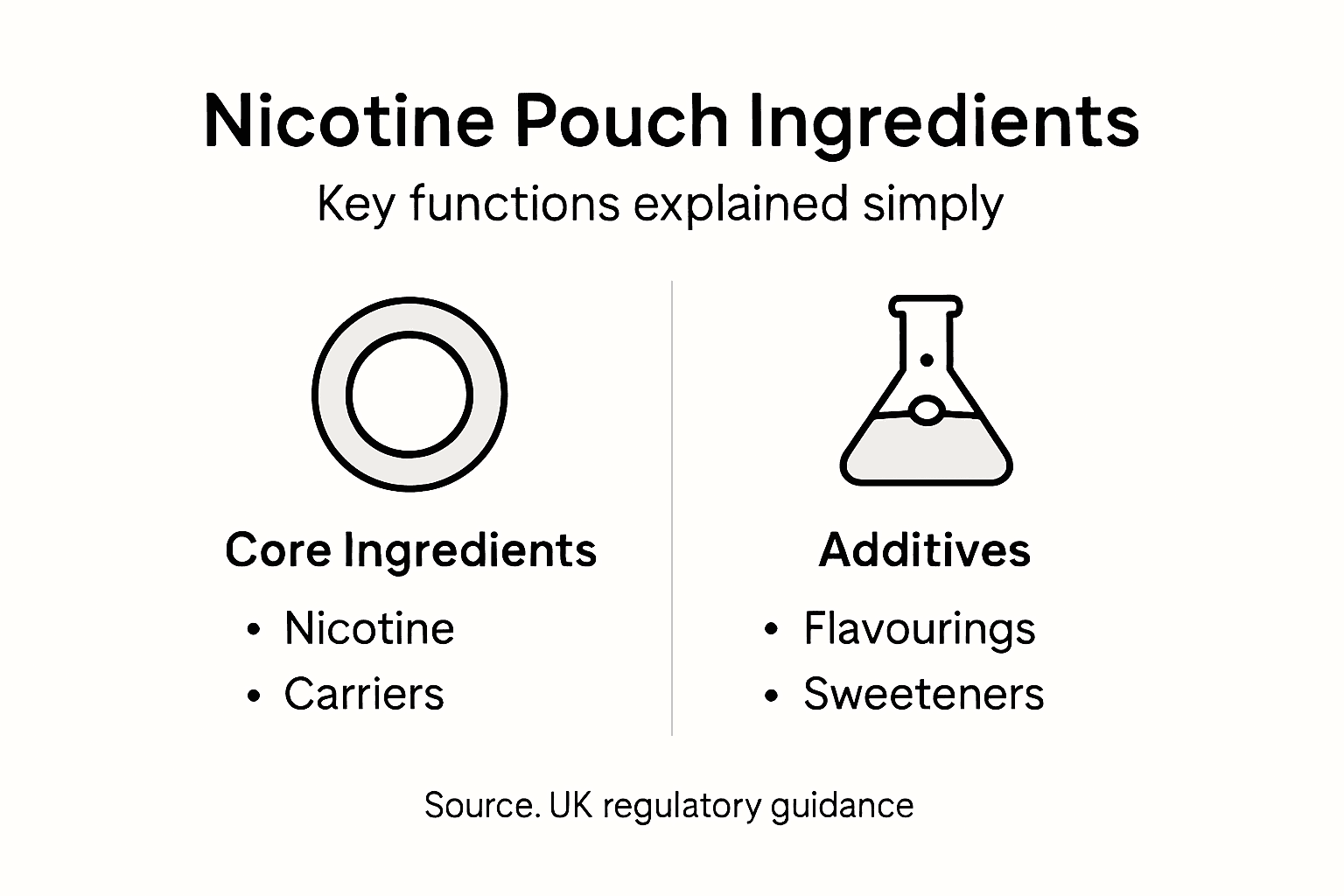
Nicotine pouches comprise a sophisticated blend of ingredients carefully selected to optimise user experience and nicotine delivery. Ingredients in UK nicotine pouches are meticulously chosen to ensure safety, palatability, and effective nicotine absorption.
The primary components of nicotine pouches typically include:
- Nicotine base: Either synthetic or tobacco-derived
- Food-grade fillers: Provide structural integrity and moisture retention
- Flavourings: Enhance taste profile and user appeal
- Sweeteners: Improve overall sensory experience
- pH adjusters: Modulate nicotine absorption efficiency
- Stabilisers: Maintain product consistency and shelf life
Each ingredient serves a specific functional purpose beyond mere taste enhancement. The food-grade fillers act as a critical carrier, mimicking traditional tobacco leaf’s moisture-retention properties while providing a comfortable user experience. Flavourings and sweeteners are strategically incorporated to make the pouches more palatable, addressing potential user resistance to nicotine products.
Regulatory guidelines mandate that all ingredients must be food-grade and non-toxic, ensuring user safety.
UK regulations on nicotine product ingredients strictly prohibit additives that could mislead consumers about health benefits or increase addictive potential. This means manufacturers must provide detailed toxicological data and notify authorities about every ingredient’s quantity and function.

Pro tip: Always review the ingredient list carefully and consult healthcare professionals if you have specific health concerns or sensitivities.
Natural versus synthetic nicotine explained
Nicotine sources in pouches represent a fascinating intersection of botanical extraction and chemical synthesis, offering users two distinct pathways for nicotine delivery. Natural nicotine, traditionally extracted from tobacco plants, differs from its laboratory-created counterpart in subtle yet significant ways.
The key distinctions between natural and synthetic nicotine include:
- Origin: Natural nicotine from tobacco plants versus lab-synthesized molecules
- Chemical composition: Slightly different molecular structures
- Purity levels: Potential variations in refinement processes
- Active ingredient ratio: Differences in S-nicotine and R-nicotine proportions
Synthetic nicotine production involves complex chemical processes that create molecular structures mimicking natural nicotine. UK regulatory assessments highlight that both natural and synthetic forms fundamentally interact with the human body in comparable ways, though subtle compositional differences persist.
Synthetic nicotine is not inherently safer, merely a chemically engineered alternative to plant-extracted nicotine.
Interestingly, synthetic nicotine often contains both S-nicotine (the primary active form) and R-nicotine (less pharmacologically active), whereas natural nicotine predominantly consists of the S-nicotine isomer. This compositional nuance can potentially influence absorption and physiological response, though current research suggests minimal practical differences for users.
To clarify how natural and synthetic nicotine differ, here’s a concise comparison:
| Factor | Natural Nicotine | Synthetic Nicotine |
|---|---|---|
| Source | Extracted from tobacco plants | Produced in laboratories |
| Purity | Can contain plant-based impurities | Typically highly refined |
| Isomer Ratio | Mostly S-nicotine (active) | Both S- and R-nicotine present |
| Regulatory Approach | Governed by tobacco laws | Sometimes faces separate scrutiny |
| Market Perception | Traditional, familiar origins | Seen as modern, high-tech option |
Pro tip: Always consult product specifications and understand the nicotine source when selecting nicotine pouches to make informed consumption choices.
Flavourings, sweeteners and their impact
Flavourings in nicotine pouches play a crucial role in transforming the sensory experience, strategically masking nicotine’s inherent harsh taste and enhancing overall palatability. These carefully selected aromatic compounds serve more than mere aesthetic purposes, fundamentally influencing user perception and product appeal.
Common flavouring categories include:
- Mint variants: Cooling and refreshing sensations
- Fruit profiles: Sweet and tangy experiences
- Herbal notes: Subtle, complex taste dimensions
- Citrus blends: Sharp, invigorating flavour combinations
Regulatory bodies remain cautious about flavour development, recognising the potential risk of attracting younger demographics. UK regulatory frameworks carefully evaluate ingredients to prevent misleading health claims and restrict additives that might increase addictive potential.
Flavourings are designed to enhance user experience, not to mask potential health risks.
Sweeteners complement flavourings by providing additional taste complexity and improving overall sensory satisfaction. Their careful selection aims to balance nicotine delivery with an enjoyable consumption experience, though public health experts continue to monitor potential unintended consequences of such sophisticated formulation strategies.
Pro tip: Select flavours mindfully, considering personal taste preferences while being aware of potential sensory manipulation techniques.
UK safety standards and legal requirements
UK product safety regulations for nicotine pouches are comprehensive and evolving, designed to protect consumers through stringent oversight and continuous legislative refinement. These regulations encompass multiple layers of protection, ensuring that nicotine pouch products meet rigorous safety standards before reaching the market.
Key regulatory aspects include:
- Product Safety Regulations: Governed by General Product Safety Regulations 2005
- Labelling Requirements: Mandatory safety instructions and usage guidelines
- Ingredient Transparency: Detailed disclosure of product composition
- Packaging Restrictions: Upcoming limitations on design and marketing
Regulatory frameworks specifically focus on preventing potential harm by mandating comprehensive safety assessments. The Committee on Toxicity emphasises the importance of clear regulation, including specific limits on nicotine dosage and ingredient safety.
Regulatory compliance is not optional – it’s a critical consumer protection mechanism.
The upcoming Tobacco and Vapes Bill represents a significant step in enhancing nicotine pouch regulation. This legislation will likely introduce more stringent controls, including potential restrictions on packaging, flavours, and nicotine content. Enhanced enforcement mechanisms, supported by increased funding for Trading Standards and new retail licensing schemes, will ensure more robust oversight.
Pro tip: Always verify a product’s regulatory compliance and check for official safety certifications before purchase.
Comparing major UK pouch brands’ formulations
Major UK nicotine pouch brands demonstrate remarkable diversity in their ingredient compositions, reflecting sophisticated approaches to nicotine delivery and user experience. These formulations carefully balance nicotine strength, flavour profiles, and ingredient quality to meet varied consumer preferences.
Key comparative aspects of brand formulations include:
- Nicotine Source: Ranging from tobacco-derived to synthetic origins
- Strength Range: Typically between 6mg to 12mg per pouch
- Flavour Complexity: Diverse profiles targeting different sensory preferences
- pH Adjustment: Tailored to optimise nicotine absorption
- Ingredient Purity: Varying levels of food-grade filler quality
Brands differentiate themselves through nuanced ingredient selections, with some emphasising natural extracts while others focus on precise synthetic formulations. The strategic variation in pH levels and nicotine concentrations allows manufacturers to create unique user experiences that cater to individual tolerance and preference levels.
Brand formulation differences extend beyond mere nicotine content - they represent complex sensory engineering.
While core ingredients remain consistent across brands, the subtle variations in flavour compounds, sweeteners, and nicotine base create distinct product identities. Manufacturers invest significantly in research to develop formulations that balance regulatory compliance, user satisfaction, and physiological efficacy.
Here’s a summary of how leading UK pouch brands distinguish their formulations:
| Brand Aspect | Typical Variation | Impact on Users |
|---|---|---|
| Nicotine Strength | 6mg–12mg per pouch | Alters physiological intensity |
| Flavour Complexity | Multi-layered blends | Shapes taste and satisfaction |
| pH Adjustment | Custom for each brand | Modifies nicotine uptake rate |
| Ingredient Sourcing | Natural vs synthetic bases | Affects perceived product purity |
Pro tip: Experiment cautiously with different brands to understand how subtle ingredient variations impact your personal nicotine experience.
Discover the Power Behind Your Nicotine Pouches
Understanding the role of ingredients in nicotine pouches is essential for making informed choices about your nicotine experience. The article highlights key factors such as nicotine sources, flavourings, sweeteners and pH adjusters all working together to create a satisfying yet discreet nicotine delivery method. Whether you are cautious about ingredient quality or seeking the perfect flavour profile, these details matter when selecting your next pouch.
Explore expertly crafted blends like those in the FUMI collection or experience the bold taste in our Spicy Nicotine Pouches – Heat-Infused Flavor Hits Hard. Each product is carefully designed with premium ingredients to balance strength, flavour and smoothness for a refined experience.

Ready to take control of your nicotine consumption with trusted, high-quality products that align with your preferences and safety concerns? Visit Hitsnus.com now to browse an extensive range of nicotine pouches, detailed ingredient information and expert usage tips that empower you to enjoy nicotine on your own terms.
Frequently Asked Questions
What are the main ingredients in nicotine pouches?
The primary components of nicotine pouches typically include nicotine base (either synthetic or tobacco-derived), food-grade fillers, flavourings, sweeteners, pH adjusters, and stabilisers. Each ingredient serves a specific function to optimise user experience and nicotine delivery.
How do flavourings in nicotine pouches affect the user experience?
Flavourings play a crucial role in enhancing the sensory experience of nicotine pouches. They are designed to mask the inherent harsh taste of nicotine and improve palatability, making the product more enjoyable for users.
What are the differences between natural and synthetic nicotine in pouches?
Natural nicotine is extracted from tobacco plants, while synthetic nicotine is produced in laboratories. The key differences include their origin, purity levels, and isomer ratios, which can influence absorption and user experience, although both types ultimately interact with the body similarly.
Are nicotine pouches safe due to their tobacco-free nature?
While nicotine pouches do not contain tobacco, they still deliver pharmacologically active nicotine doses. Therefore, they are not completely harmless and carry potential health risks associated with nicotine consumption. It is essential to consult healthcare professionals before using these products.