


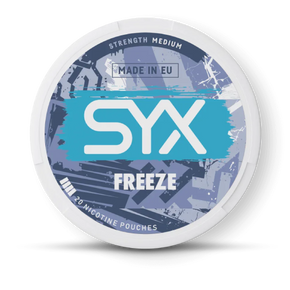


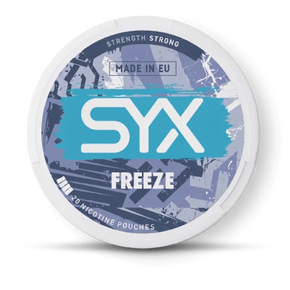


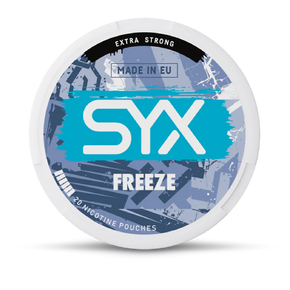




Nicotine pouch strengths: choose wisely for best results
Many users assume all nicotine pouches deliver the same effect, but strength varies dramatically from 1mg to over 20mg per pouch. Selecting the right strength determines whether you satisfy cravings comfortably or experience unwanted side effects like nausea and dizziness. Understanding how nicotine strengths work empowers you to make informed choices that support harm reduction goals. This guide explains strength categories, physiological effects, and practical selection strategies to help you find the ideal nicotine dose for your needs and tolerance level.
Table of Contents
- Key takeaways
- Understanding nicotine pouch strengths and their effects
- Comparing nicotine pouch strengths: mild, medium, and strong
- Practical tips for choosing and using nicotine pouch strengths safely
- Nicotine pouch strengths in context: benefits and harm reduction compared to cigarettes
- Explore tobacco-free nicotine pouches at HitSnus
- Frequently asked questions
Key Takeaways
| Point | Details |
|---|---|
| Wide strength range | Nicotine pouch strengths span from about 1mg to over 20mg per pouch, shaping how much nicotine you receive and how quickly it acts. |
| 4mg matches cigarette exposure | A 4mg pouch delivers nicotine in a pattern similar to smoking but with slower absorption and lower peak levels for a safer profile. |
| Choose by tolerance | Your chosen strength should depend on your current nicotine tolerance and your goals for reducing or maintaining use. |
| Gradual progression advised | Gradual progression helps optimise comfort and satisfaction as tolerance changes. |
Understanding nicotine pouch strengths and their effects
Nicotine pouch strength indicates the milligrams of nicotine contained in each pouch, directly determining the dose you receive during use. A 4mg pouch contains 4 milligrams of nicotine, whilst an 8mg pouch doubles that amount. Higher milligram content produces stronger physiological effects, including faster craving relief and more pronounced nicotine sensations.
The strength you choose affects how quickly nicotine enters your bloodstream and the peak concentration achieved. PK data shows 4mg common pouches match cigarette total exposure but safer profile through slower absorption and lower peak levels, supporting harm reduction for transitioning smokers. This gradual delivery reduces addiction intensity compared to the rapid spikes from smoking.
Several factors beyond milligram content influence the actual effect you experience:
- Pouch format and moisture content affect nicotine release speed
- Individual absorption rates vary based on oral pH and tissue sensitivity
- Usage duration determines total nicotine uptake from each pouch
- Tolerance levels from previous nicotine exposure modify perceived strength
Pro Tip: Place pouches between your gum and upper lip rather than lower lip for optimal absorption and comfort, as the upper placement typically delivers more consistent nicotine release.
Pouch manufacturers design different nicotine strengths to accommodate varying user needs, from light users seeking minimal doses to experienced adults requiring substantial nicotine delivery. The same 6mg pouch might feel mild to a heavy smoker but overwhelming to someone new to nicotine products. Understanding your baseline tolerance helps you select appropriately.
Nicotine strength directly impacts craving satisfaction and withdrawal symptom relief. Insufficient strength leaves cravings unmet, potentially leading to excessive pouch consumption or return to smoking. Conversely, excessive strength causes uncomfortable side effects including nausea, throat irritation, hiccups, and dizziness. Finding your optimal strength balances effective craving relief with comfortable use.
Comparing nicotine pouch strengths: mild, medium, and strong
Nicotine pouches fall into distinct strength categories, each suited to different user profiles and tolerance levels. Understanding these categories helps you identify appropriate starting points and progression paths.
| Strength category | Nicotine content | Best suited for | Typical effects |
|---|---|---|---|
| Mild | 1-3mg per pouch | New users, light smokers, those reducing intake | Gentle nicotine sensation, minimal throat hit, subtle craving relief |
| Medium | 4-6mg per pouch | Moderate smokers, transitioning users, daily pouch users | Balanced satisfaction, noticeable effect, reliable craving control |
| Strong | 7-12mg per pouch | Heavy smokers, experienced pouch users, high tolerance adults | Intense nicotine hit, strong throat sensation, powerful craving suppression |
| Extra strong | 13mg+ per pouch | Very experienced users only, extreme tolerance | Overwhelming for most users, significant side effect risk |
Mild strength pouches between 1mg and 3mg provide gentle introduction to nicotine pouches without overwhelming new users. These work well for light smokers consuming fewer than 10 cigarettes daily or individuals gradually reducing nicotine dependence. The subtle effects allow you to gauge personal tolerance safely.

Medium strength options from 4mg to 6mg represent the sweet spot for many transitioning smokers. Healthcare perspectives recommend starting with milder strengths for less experienced users and increasing cautiously. These strengths deliver satisfying craving relief whilst maintaining manageable side effect profiles.
Strong pouches containing 7mg to 12mg suit experienced adults with established high nicotine tolerance. Heavy smokers consuming 20 or more cigarettes daily often find these strengths necessary for adequate craving control. However, jumping directly to strong pouches without prior experience frequently causes unpleasant reactions.
Consider these factors when selecting your strength category:
- Previous smoking intensity and daily cigarette consumption
- Current nicotine tolerance from existing product use
- Desired speed and intensity of nicotine effect
- Sensitivity to nicotine side effects like nausea
- Long term goals for nicotine reduction or maintenance
Pro Tip: Purchase small quantities of multiple strengths initially to test your tolerance across categories before committing to bulk orders of a single strength.
Progression between strength categories should occur gradually over weeks or months rather than days. Rushing to stronger pouches increases side effect risk and may intensify nicotine dependence unnecessarily. Many users find their ideal strength within the medium range and maintain that level long term rather than continuously escalating.
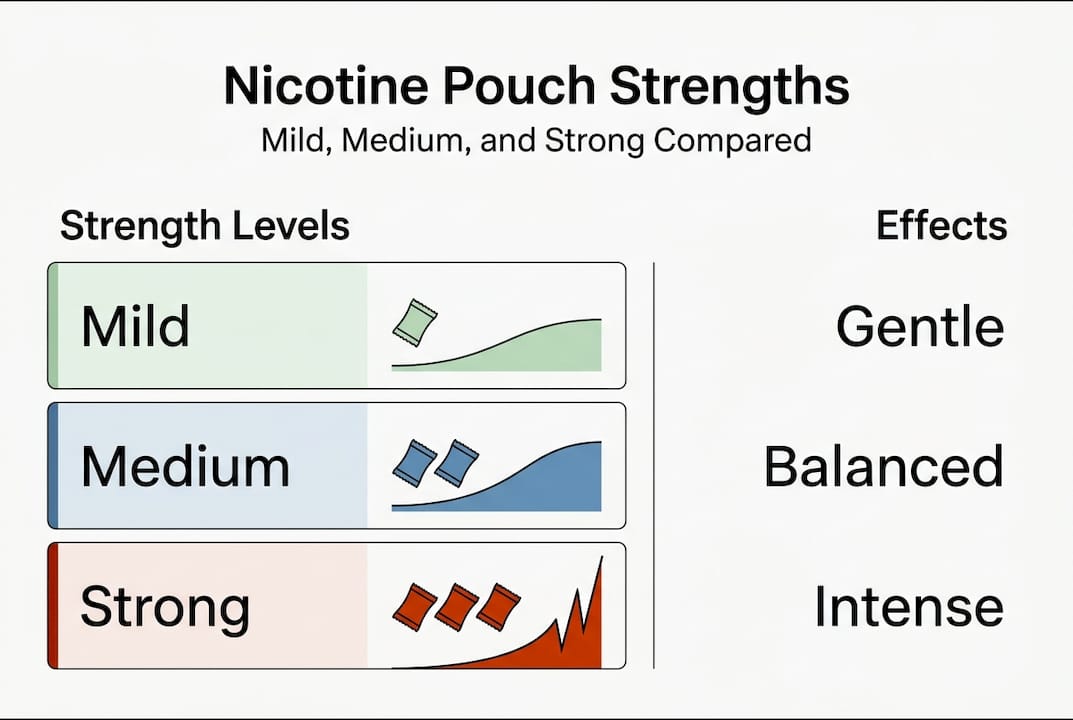
The mild vs strong nicotine pouches debate ultimately depends on individual circumstances. No universal “best” strength exists, only the most appropriate choice for your current tolerance and goals. Honest self assessment of your nicotine needs prevents both under dosing and excessive consumption.
Practical tips for choosing and using nicotine pouch strengths safely
Selecting and using nicotine pouch strengths effectively requires strategic approach and careful monitoring. These practical steps help you optimise your experience whilst minimising adverse effects.
- Start conservatively with lower strength than you think necessary, typically 3mg to 4mg for former smokers
- Use one pouch for the recommended 30 to 45 minutes to assess full effect before considering strength adjustment
- Wait at least one week at each strength level before increasing to allow tolerance stabilisation
- Track your daily pouch consumption and any side effects in a simple log to identify patterns
- Reduce strength if you experience persistent nausea, dizziness, or throat irritation beyond initial adjustment period
- Consider flavour and format preferences alongside strength, as satisfaction depends on multiple factors
Monitoring for common side effects helps you recognise when strength exceeds your tolerance. Nausea typically indicates excessive nicotine intake and should prompt immediate reduction. Throat irritation may result from pouch placement or strength, whilst dizziness suggests rapid nicotine absorption overwhelming your system. Hiccups often occur with stronger pouches and usually diminish as tolerance develops.
Pro Tip: Keep a glass of water nearby during pouch use, as staying hydrated reduces throat irritation and helps your body process nicotine more comfortably.
Respecting recommended usage duration prevents excessive nicotine absorption. Leaving pouches in place beyond 60 minutes rarely increases satisfaction but does elevate side effect risk. Most pouches release the majority of their nicotine content within the first 30 to 45 minutes, making extended use unnecessary.
Support from healthcare advice encourages gradual adjustment and monitoring for side effects with increased strength. If you experience concerning symptoms that persist beyond initial adjustment, consult a healthcare professional rather than continuing to use problematic strength levels.
Flavour intensity and pouch moisture affect perceived strength independently of actual nicotine content. Mint and menthol flavours create cooling sensations that some users interpret as stronger nicotine effect. Drier pouches release nicotine more slowly than moist variants, potentially feeling milder despite identical milligram content. Understanding these variables helps you make informed comparisons between products.
Your optimal strength may vary by situation and time of day. Many users prefer stronger pouches in morning when cravings peak, switching to milder options later. Others maintain consistent strength throughout the day. Experimenting with timing and strength combinations helps you develop a personalised routine that maximises satisfaction whilst maintaining comfort.
Nicotine pouch strengths in context: benefits and harm reduction compared to cigarettes
Nicotine pouches represent a significant harm reduction tool for smokers seeking alternatives, with strength selection playing a crucial role in successful transition. Understanding how pouch strengths compare to cigarette nicotine delivery clarifies their position in smoking cessation strategies.
| Delivery method | Nicotine uptake pattern | Peak blood concentration | Health risk profile | Addiction potential |
|---|---|---|---|---|
| Cigarettes | Rapid spike within minutes | High peak, short duration | Severe: combustion toxins, carcinogens | Very high due to fast delivery |
| 4mg nicotine pouches | Gradual rise over 30-45 minutes | Moderate peak, sustained | Reduced: no combustion, tobacco-free | Moderate due to slower absorption |
| 8mg+ strong pouches | Moderate rise, higher total | Higher peak than 4mg | Lower than smoking, higher than mild pouches | Elevated compared to milder strengths |
Nicotine pouches provide a safer profile than cigarettes, supporting harm reduction efforts by eliminating combustion toxins, tar, and carcinogenic compounds present in tobacco smoke. The absence of burning material removes thousands of harmful chemicals whilst still delivering nicotine to satisfy cravings.
Careful strength choice supports smoking cessation by matching nicotine delivery to individual needs without overwhelming the user. 4mg strength offers similar nicotine uptake to cigarettes, but with slower absorption and lower peak levels, reducing addiction intensity whilst maintaining craving control. This pharmacokinetic profile makes medium strength pouches particularly effective for transitioning smokers.
Switching from cigarettes to appropriately matched nicotine pouch strengths eliminates exposure to combustion products whilst maintaining nicotine delivery, representing a pragmatic harm reduction approach for adults unable or unwilling to quit nicotine entirely.
Using pouches may improve health outcomes for smokers transitioning away from combustible tobacco. Respiratory function often improves within weeks as lung tissue recovers from smoke exposure. Cardiovascular strain decreases without carbon monoxide and other combustion gases. Oral health benefits emerge as gum disease risk factors diminish.
The harm reduction advantage depends partly on selecting appropriate strength that prevents return to smoking. Insufficient strength leaves cravings unmet, increasing relapse risk. Excessive strength may cause discomfort that discourages continued pouch use. Finding the strength that adequately replaces cigarette satisfaction proves critical for successful long term transition.
Nicotine itself carries risks including cardiovascular effects and dependence potential, regardless of delivery method. However, the risk profile of pouches versus cigarettes strongly favours pouches when comparing equivalent nicotine doses. Harm reduction acknowledges that whilst nicotine abstinence remains ideal, smokeless alternatives offer substantial benefits for those continuing nicotine use.
Strength selection influences the harm reduction equation. Lower strengths minimise nicotine exposure and associated cardiovascular effects whilst potentially compromising craving control. Higher strengths ensure adequate substitution for heavy smoking but increase dependence risk. Balancing these factors requires honest assessment of minimum effective strength for your circumstances.
Explore tobacco-free nicotine pouches at HitSnus
Finding the right nicotine pouch strength transforms your experience from frustrating trial and error into satisfying, effective use. HitSnus offers an extensive range of tobacco-free nicotine pouches across all strength categories, from gentle 2mg options perfect for beginners to robust 12mg pouches for experienced users with established tolerance.
Our curated selection includes premium brands like ZYN, Velo, and FUMI, each available in multiple strength variants to match your specific needs. Whether you’re transitioning from cigarettes or refining your current pouch routine, you’ll find products that deliver the precise nicotine dose you require. Fast delivery across the UK ensures your preferred strengths arrive promptly.
Navigating strength selection becomes simpler with our comprehensive guides and responsive customer support team. Explore our nicotine pouch strength guide for detailed comparisons, or review our nicotine strengths explanation to understand how different milligram contents affect your experience. Our resources help you make informed decisions backed by evidence and practical insights.
Frequently asked questions
Can I use nicotine pouches if I’m a light smoker?
Light smokers benefit from starting with mild strength pouches, typically 1mg to 3mg per pouch, which provide gentle nicotine delivery without overwhelming your system. These low strength options minimise side effects whilst supporting gradual transition away from cigarettes. Begin with one or two pouches daily to assess tolerance before increasing frequency.
How do I switch between different nicotine pouch strengths safely?
Switch strengths gradually over several days or weeks rather than making abrupt changes that shock your system. Monitor how your body responds to each adjustment, watching for nausea, dizziness, or excessive throat irritation that indicates the new strength exceeds your tolerance. Adjust both the strength level and frequency of use together, reducing daily pouch count when increasing milligram content. Refer to our strength adjustment guide for detailed transition strategies.
Are stronger nicotine pouches more addictive?
Higher nicotine concentrations increase addiction potential when used frequently, as your brain adapts to elevated nicotine levels and develops stronger dependence. Using strong pouches responsibly by limiting frequency and avoiding unnecessary strength escalation reduces these risks. Strong options suit experienced users who genuinely require higher doses for craving control, not those seeking more intense sensations.
What should I do if I experience side effects from nicotine pouches?
Stop using pouches temporarily if you experience significant nausea, dizziness, or discomfort, allowing your system to clear excess nicotine. When resuming, reduce your strength by at least one category and shorten usage duration to 20 or 30 minutes rather than the full recommended time. Stay well hydrated throughout the day, as dehydration intensifies nicotine side effects. Consult a healthcare professional if symptoms persist beyond 24 hours or occur repeatedly with appropriate strength levels.