










What is pouch texture? A guide for nicotine pouch users
TL;DR:
- Pouch texture is defined by physical properties like moisture content, outer material, and filler density, shaping comfort and nicotine release. Different brands intentionally select formulations that result in varying mouthfeel, influencing user preference and session duration. Understanding these factors helps users choose pouches that match their desired experience and sensitivity.
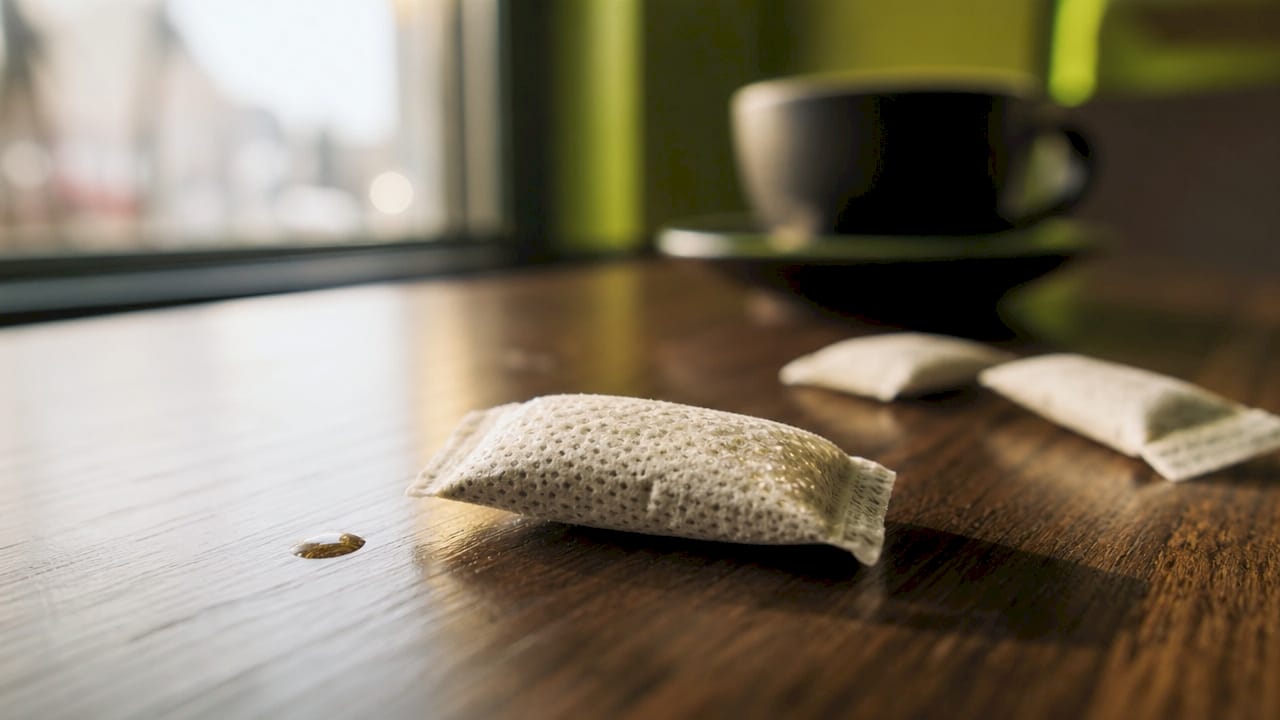
Pouch texture is defined as the tactile and physical characteristics of a nicotine pouch that determine how it feels against the gum, how it sits in the mouth, and how efficiently nicotine is released into the body. Every pouch you place under your lip delivers a distinct sensory experience shaped by its moisture content, outer material, and filler composition. Brands like ZYN, Velo, and on! each produce noticeably different textures, and those differences are not accidental. Understanding pouch texture helps you choose products that match your comfort preferences, your tolerance for mouthfeel intensity, and the kind of nicotine experience you are after.
What is pouch texture and why does it matter?
Pouch texture refers to the combined physical properties of a nicotine pouch: its softness, moisture level, surface feel, and structural density. These properties are not cosmetic. Moisture content, water activity, and viscosity all directly influence how nicotine is released and how the pouch feels against sensitive gum tissue.
The importance of pouch texture goes beyond comfort. A pouch that feels too dry may irritate the gum and deliver nicotine too slowly. One that is excessively wet can feel sloppy and release nicotine in an uncontrolled rush. The ideal texture sits in a middle ground that balances mouthfeel with consistent, measured nicotine diffusion. This is why texture and moisture balance are increasingly recognised as key differentiators for consumer satisfaction, sitting alongside nicotine strength and flavour as primary purchase drivers.
For newcomers to nicotine pouches, texture is often the first thing that surprises them. For experienced users, it is frequently the deciding factor when switching brands.
How moisture content and viscosity shape pouch feel
Moisture content is the single most influential variable in pouch texture. A pouch with high moisture content feels plush and soft immediately upon placement. A low-moisture or “dry” pouch feels firmer and takes longer to soften against the gum. Both have their advocates, and neither is objectively superior. The difference lies in what you want from the experience.
Viscosity adds another layer of complexity. The extracted solution inside a pouch has a measurable thickness, and that thickness affects both mouthfeel and nicotine diffusion. Viscosity can impede nicotine diffusion and alter how the pouch feels as saliva interacts with it over time. A highly viscous solution may produce a richer, more textured mouthfeel but slow the rate at which nicotine crosses into the bloodstream.
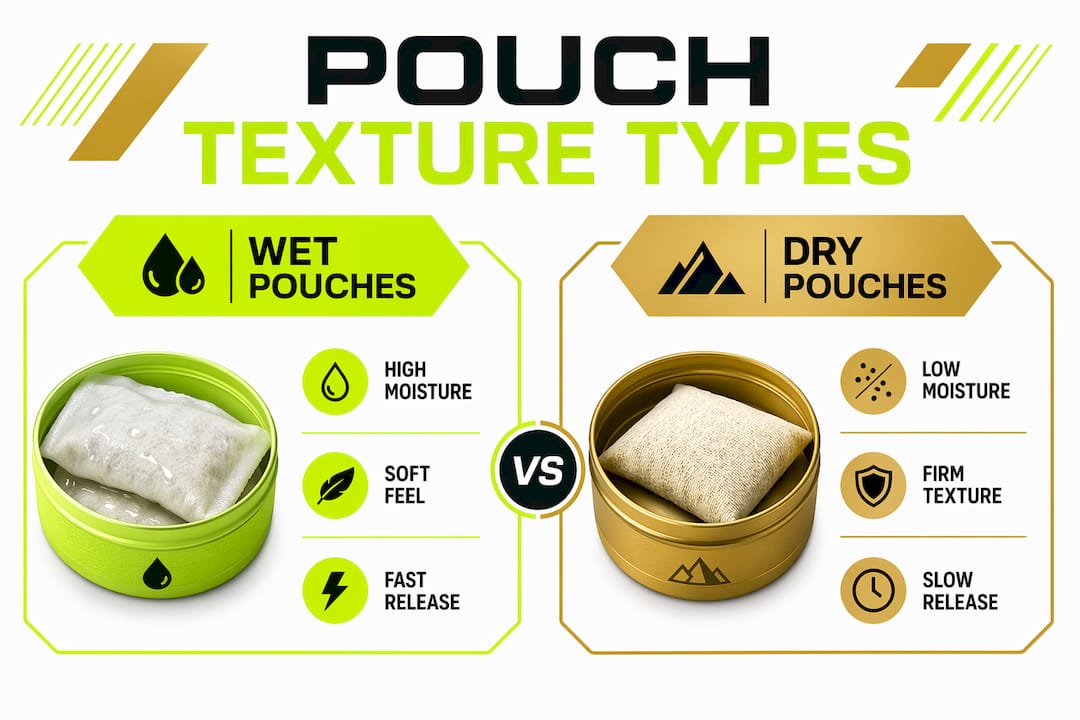
Wet versus dry pouches: what the difference feels like
A wet pouch, such as those in ZYN’s moist range, activates almost immediately. You feel moisture spreading across the gum within seconds, and the nicotine release begins quickly. The texture is soft and yielding. A dry pouch, by contrast, requires your saliva to activate it. The initial feel is firmer and more papery. Nicotine release is slower and more gradual, which some users prefer for longer sessions.
The 2026 Scientific Reports study on oral nicotine pouch products confirmed that two pouches with similar nicotine profiles can produce entirely different mouthfeel perceptions due to formulation differences. This means you cannot judge texture from nicotine strength alone. A 6 mg pouch from one brand may feel completely different from a 6 mg pouch from another.
| Texture factor | Effect on user experience |
|---|---|
| High moisture content | Immediate softness, faster nicotine activation, plush feel |
| Low moisture content | Firmer initial feel, slower activation, longer-lasting texture |
| High viscosity | Richer mouthfeel, slower nicotine diffusion |
| Low viscosity | Thinner sensation, faster nicotine release |
Pro Tip: If you find pouches too harsh on your gum, try a higher-moisture option first. The softer texture reduces friction against sensitive tissue and tends to feel gentler during extended use.
How pouch material and structure affect what you feel
The outer fabric of a nicotine pouch is not just a wrapper. It is an active part of the texture experience. Typical pouch ingredients include plant fibres, flavourings, sweeteners, and pH adjusters, and the density and weave of the outer material determine how those contents interact with your mouth.
Cellulose-based fibres, the most common outer material, produce a soft, slightly fibrous feel. Synthetic fibre blends tend to feel smoother and more uniform. The pore size of the outer fabric also matters, though perhaps not in the way you would expect.
Research measured pore sizes across several leading brands and found significant variation:
- Volt has the largest pore size at approximately 104.812 μm, giving its pouches a more open, breathable texture
- Rogue and Loop sit at roughly 74 μm, producing a moderately porous feel
- on! and Velo have the smallest pore sizes at approximately 49 μm, resulting in a denser, more compact outer surface
Crucially, pore size does not directly correlate with nicotine dissolution rates. A larger pore does not automatically mean faster nicotine delivery. This finding matters because it separates texture from performance. You can choose a pouch for its feel without assuming it will behave differently in terms of nicotine release.
The filler composition inside the pouch also shapes texture. Denser fillers produce a firmer, more structured pouch. Lighter, more porous fillers create a softer, more yielding feel. The pouch material’s role in delivery is a subject worth exploring in depth if you are trying to match texture to your usage habits.
Comparing pouch textures across popular brands
Different brands make deliberate texture choices that reflect their target user. Understanding those choices helps you predict how a new product will feel before you try it.
ZYN produces pouches with a moderate moisture level and a fine, soft outer material. The texture is consistent and relatively neutral, making it a reliable baseline for comparison. Velo pouches tend to feel slightly drier and more compact, with a firmer initial feel that softens gradually. The smaller pore size contributes to a denser surface texture.
on! pouches are notably small and dry. Their compact format and low moisture content produce a minimal mouthfeel, which appeals to users who prefer discretion over sensory intensity. Dryft and Velo both show higher crystallinity in their filler particles, which means slower nicotine release and a texture that remains relatively stable throughout the session. Rogue and Loop, with lower melting points in their filler materials, release nicotine faster and tend to feel softer and more active in the mouth.
| Brand | Moisture level | Pore size | Texture profile | Release speed |
|---|---|---|---|---|
| ZYN | Moderate | Medium | Soft, consistent | Moderate |
| Velo | Lower | ~49 μm | Firm, compact | Slower |
| on! | Low | ~49 μm | Minimal, dry | Moderate |
| Volt | Moderate | ~105 μm | Open, breathable | Variable |
| Rogue | Moderate | ~74 μm | Soft, active | Faster |
| Loop | Moderate | ~74 μm | Soft, yielding | Faster |
Pro Tip: When trying a new brand, hold the pouch in place for 60 seconds before assessing the texture. Many pouches change significantly as moisture activates the filler, and your first impression at placement is rarely the full picture.
The pouch flavour profile interacts with texture too. A mint pouch with high moisture will feel cooling and wet. The same mint flavour in a dry pouch feels sharper and more concentrated. Texture and flavour are not independent variables.
How understanding pouch texture improves your experience
Knowing what affects pouch texture gives you a practical framework for choosing products. Here is how to apply that knowledge:
-
Identify your mouthfeel preference. Do you want immediate softness and moisture, or a firmer, more gradual experience? Wet pouches suit users who want fast activation. Dry pouches suit those who prefer a longer, more controlled session.
-
Match texture to usage duration. A moist pouch is excellent for a 20-minute session. For extended use of 45 minutes or more, a drier pouch with slower release tends to maintain its structure better and avoids the soggy feel that some users find unpleasant.
-
Consider gum sensitivity. If your gums are sensitive, a softer, higher-moisture pouch reduces friction. The mouthfeel perception of a nicotine pouch is a distinct dimension from nicotine delivery, so you can prioritise comfort without necessarily sacrificing strength.
-
Test across brands systematically. Try one brand per week and note the texture at placement, at 10 minutes, and at the end of the session. This approach reveals how texture evolves over time, which single-use impressions miss entirely.
-
Factor in flavour interaction. Citrus and mint flavours tend to amplify the sensation of moisture. Tobacco and coffee flavours often feel drier regardless of actual moisture content. Account for this when assessing texture across different flavour profiles.
The harshness and mouthfeel relationship is worth understanding separately, as physical attributes like water activity directly influence how harsh a pouch feels during use.
Key takeaways
Pouch texture is a measurable, formulation-driven property that shapes mouthfeel, nicotine release speed, and overall satisfaction independently of nicotine strength.
| Point | Details |
|---|---|
| Texture is formulation-driven | Moisture content, viscosity, and fibre density all determine how a pouch feels and performs. |
| Pore size does not equal release rate | Larger pores do not guarantee faster nicotine delivery; dissolution depends on filler crystallinity too. |
| Wet versus dry is a preference choice | Moist pouches activate faster; dry pouches last longer and suit extended sessions. |
| Brand differences are deliberate | ZYN, Velo, on!, and Loop each make distinct texture choices that reflect different user preferences. |
| Texture and flavour interact | Flavour type amplifies or dampens the perception of moisture, affecting overall mouthfeel. |
Texture is the detail most users overlook until it matters
I have spent a considerable amount of time reviewing nicotine pouch products, and the pattern I see repeatedly is this: users focus on strength and flavour when choosing a pouch, then abandon a product because the texture is wrong. They rarely identify texture as the problem. They say the pouch “feels weird” or “doesn’t sit right,” without realising they are describing a formulation mismatch.
What the 2026 Scientific Reports research confirms is something experienced users already know intuitively. Mouthfeel is its own dimension. A pouch can deliver exactly the right nicotine level and still feel unpleasant if the viscosity is off or the outer material is too coarse. That is not a minor inconvenience. For a product you hold against your gum for 30 to 45 minutes, texture is the experience.
The brands getting this right are the ones investing in formulation science rather than just flavour variety. Loop and Rogue, with their lower melting point fillers and moderate pore sizes, produce a noticeably more dynamic mouthfeel than the denser, slower-release profiles of Velo and Dryft. Neither approach is wrong. They serve different users. But knowing which camp you fall into saves you a lot of trial and error.
My advice: treat texture as a primary filter when choosing pouches, not an afterthought. Read the latest pouch innovations to see where manufacturers are heading. Texture engineering is becoming a genuine competitive frontier, and the products coming to market in the next two years will make today’s options look rudimentary.
— Fabio
Find your ideal texture with Hitsnus
Hitsnus stocks a carefully selected range of nicotine pouches spanning the full texture spectrum, from the firm, dry profile of on! to the soft, moisture-rich feel of ZYN and the dynamic mouthfeel of Loop and Rogue. Whether you are new to nicotine pouches and still finding your preference, or an experienced user looking to refine your choice, the range at Hitsnus gives you the variety to explore texture differences firsthand. Browse by brand, strength, or flavour to find pouches that match not just your nicotine needs, but the precise mouthfeel you are after.
FAQ
What is the pouch texture definition in simple terms?
Pouch texture refers to the physical feel of a nicotine pouch in the mouth, determined by its moisture content, outer material, and filler density. It affects both comfort and how quickly nicotine is released.
Why does pouch texture vary between brands?
Brands use different formulations, fibre densities, and moisture levels to create distinct texture profiles. Measured pore sizes range from approximately 49 μm in on! and Velo to over 104 μm in Volt, producing noticeably different tactile experiences.
Does a softer pouch always release nicotine faster?
No. Mouthfeel and nicotine release are distinct dimensions. A soft, moist pouch may have high viscosity that slows nicotine diffusion, while a firmer pouch with low crystallinity can release nicotine quickly despite feeling drier.
How do I choose between a wet and a dry pouch?
Choose a moist pouch for faster activation and a softer feel during shorter sessions. Choose a dry pouch for a firmer, longer-lasting texture that suits extended use of 45 minutes or more.
Can pouch texture affect how harsh a product feels?
Yes. Higher moisture content generally reduces friction against the gum, producing a gentler experience. Drier pouches with denser outer materials can feel more abrasive, particularly for users with sensitive gum tissue.