










Nicotine Pouches and Cough: Causes and What to Do
Yes, a cough can happen with nicotine pouches, and for most people it is mild and settles as the body adjusts. Pouches are not inhaled, so the usual causes are throat irritation from nicotine, a strength that is too high for you, or changes in your airways after cutting down on cigarettes or vapes. Choosing a gentler strength and flavour from our nicotine pouches range is the simplest first step.
Key Takeaways
- Nicotine can irritate the mouth and throat, and a cough is a recognised side effect of nicotine products in the BNF.
- In a trial summarised by a Cochrane review, cough and shortness of breath became similar across groups by week 4.
- A cough after switching from smoking can also be your lungs clearing, which the NHS describes as short term.
- Strength, placement and pacing are the factors you can control.
- A cough that lasts, or comes with breathlessness, needs a GP.
Table of Contents
- Why a pouch can make you cough
- What the studies found
- Cough after you stop smoking or vaping
- How to reduce a pouch cough
- Finding a strength and flavour that suits you
- When to see a doctor
- FAQ
Why a pouch can make you cough
A pouch sits between lip and gum and releases nicotine through the lining of the mouth. Nothing is burned or breathed in, yet throat and airway effects still occur.
The BNF entry for nicotine lists cough among side effects of nicotine with inhalation and sublingual use, and as a common withdrawal symptom. A UK dental scoping review from 2025 notes that nicotine causes local irritation and a burning sensation in the mouth and throat, with increased salivation.
In practice, three things tend to sit behind a pouch cough:
- Saliva and tingling. Nicotine and strong mint or menthol flavours can trigger a tickle. Swallowing a lot of saliva early on can set off a throat clearing cough.
- Strength. A higher-mg pouch gives a stronger throat sensation, particularly if you are new to them.
- Using them back to back. Replacing one pouch with another every few minutes keeps the irritation constant.
What the studies found
The numbers are small, so treat them as a guide, not a forecast.
A Cochrane review published in October 2025 described a trial in which 5 of 18 pouch users reported cough through the day in the first week, against 3 of 18 using e-cigarettes. Frequency of cough and shortness of breath fell and became similar across groups by week 4. Another trial in the same review, with 30 people on 3 mg or 6 mg pouches, saw coughing in 5 of 15 in each group.

The same review reported that limited short-term data identified no serious health harms from pouches used to move away from smoking, according to Cochrane’s plain-language summary.
A 2026 survey of pouch users in Saudi Arabia found 62.0% reported frequent coughing or wheezing at some level of severity. The authors point out that this kind of survey cannot prove cause. Adult smokers in another review saw pouches as less risky than cigarettes for respiratory effects.
Cough after you stop smoking or vaping
If you have just moved from cigarettes, the cough may not come from the pouch at all. The NHS says you may cough more or bring up phlegm after quitting because your lungs are clearing mucus and toxins built up from smoking. It describes this as short term, with coughs and wheezing easing as lung function improves by up to 10% over 3 to 9 months.
Withdrawal can add to it. NHS guidance says withdrawal symptoms start within hours, are strongest in the first week and last 3 to 4 weeks on average, sometimes longer. So a cough in your first fortnight is common and does not by itself mean pouches are the cause.
How to reduce a pouch cough
Our sore throat recovery guide covers a 48 to 72 hour routine. The core habits are:
- Drop the strength. Pick a lower-mg option and move up only if cravings demand it.
- Try a gentler flavour. If a cooling mint sets you off, a softer fruit or lighter mint can feel smoother.
- Space them out. Give your mouth a break between pouches.
- Position it well. Keep the pouch in place and avoid chewing or moving it around.
- Drink water. A dry mouth makes irritation worse.
- Spit out excess saliva rather than swallowing it all.
If you want to understand why some people react and others do not, our page on why some people get a sore throat goes through it, and our UK safety guide explains the wider facts.
Finding a strength and flavour that suits you
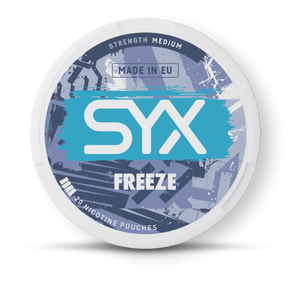
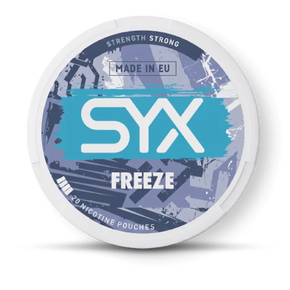
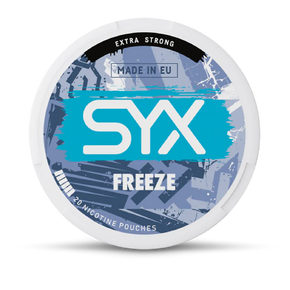
We stock a wide range of strengths and flavours across brands, with brand sections to browse by. If you want a familiar, mainstream feel, start with ZYN pouches, which come in several strengths. For other brands such as VELO, FUMI and SYX, the full collection lets you compare strength and flavour side by side. The product pages and FAQs explain strengths, usage and disposal for newcomers and experienced users.
Some UK context is worth knowing. BBC News reported in 2025 that pouches above 16.7 mg of nicotine should carry a skull and crossbones symbol under general product safety rules, and that Trading Standards are seizing products that break the rule. Staying within the lower and middle strengths is also the more comfortable route for your throat.
When to see a doctor
See your GP if a cough lasts beyond a few weeks, if you become short of breath, wheeze, or cough up blood, or if you notice a white patch or sore in your mouth that does not heal. The dental review above advises following up any soft tissue change every 3 to 6 months and referring unresolved ones for biopsy. If you are using pouches to stop smoking, the NHS says there is not yet enough independent evidence on their short or long-term safety for quitting and usually recommends other quit aids first, so your local stop smoking service can help you plan.
Pouches are for adults only. If a pouch is swallowed accidentally, seek medical attention if needed.
FAQ
Can nicotine pouches cause a cough?
Yes, in some people. Nicotine can irritate the mouth and throat, and cough is listed among nicotine side effects in the BNF. It often eases within a few weeks, as trial data showed by week 4.
Do nicotine pouches cause phlegm?
Pouches are not inhaled, so they are not a typical cause. If you recently stopped smoking, extra phlegm is usually your lungs clearing, which the NHS describes as short term.
Do nicotine patches make you cough?
Not typically. A 2023 review table of nicotine replacement side effects lists skin irritation as the main patch effect, while cough appears with the inhalator and sublingual tablets.
Should I switch to a lower strength?
If your throat is irritated, a lower strength is a sensible first adjustment. Browse the strengths available and change one thing at a time so you can tell what helps.