










Nicotine pouch allergy: how to spot it and stay safe
Yes, nicotine pouches can trigger a genuine allergic reaction, though it happens far less often than ordinary mouth irritation. Most burning, tingling, or gum soreness comes from nicotine strength or pH, not your immune system. A true allergy is different: it involves your body’s defences reacting to something in the pouch, and it can escalate quickly.
The NHS’s allergy guidance is clear that systemic symptoms, hives spreading beyond your mouth, facial swelling, or breathing difficulty, point to an immune-mediated reaction rather than simple irritation. Diagnosis usually rests on a skin prick test carried out by an allergist. The emergency to watch for is anaphylaxis.
If you notice symptoms after using a pouch, act straight away:
- Remove the pouch immediately and rinse your mouth with water.
- Stop using any nicotine products until you know what caused the reaction.
- Monitor for spreading hives, swelling, or breathing changes over the next hour.
- Seek urgent medical attention if symptoms worsen rather than settle.
Facial or throat swelling, wheezing, or a sudden widespread rash after using a nicotine pouch are signs of a possible severe allergic reaction. Call emergency services immediately rather than waiting to see if it passes.
Table of Contents
- What causes an allergic reaction to nicotine pouches?
- Is it an allergy, irritation, or nicotine overdose?
- How do doctors diagnose a nicotine pouch allergy?
- What should you do if you suspect an allergy?
- How to choose lower-risk pouches when shopping
- Find nicotine pouches that suit sensitive users
- Sources
- FAQ
What causes an allergic reaction to nicotine pouches?
Nicotine itself is rarely the culprit. Most reactions trace back to the other ingredients packed into the pouch: flavouring agents, sweeteners, humectants, preservatives, pH adjusters, and the plant fibre fillers that hold everything together. Research into oral nicotine pouch composition points out how chemically varied these products are, and that variety is exactly why one person can tolerate a flavour that sends another straight to the pharmacy.
There’s a meaningful difference between an immune-mediated contact sensitiser and non-immune irritation. Irritation from raw nicotine strength or an acidic pH stays local and fades once you remove the pouch. A true sensitiser triggers your immune system, and repeated exposure can make reactions worse over time, not better.
When checking labels, keep an eye out for:
- Cinnamon flavour chemicals (a well-known oral sensitiser)
- Menthol and menthol derivatives
- Soy-derived ingredients
- Certain sugar alcohols used as sweeteners
- Preservatives and pH-adjusting compounds
Draft industry standards now recommend that manufacturers declare contact sensitisers and specified allergens on packaging once they exceed certain thresholds, which makes label reading a genuinely useful habit rather than guesswork.
Pro Tip: If you already know you react to soy, nuts, or cinnamon in food or skincare, treat pouch ingredient lists with the same suspicion. Stop using a product the moment you’re unsure, rather than waiting to see how bad it gets.
Is it an allergy, irritation, or nicotine overdose?
Ordinary irritation stays put. A tingling sensation, mild burning, or a metallic taste under your lip is uncomfortable but localised, and it usually settles within minutes of removing the pouch. An allergic reaction behaves differently: it spreads. Hives beyond the mouth, facial or throat swelling, wheezing, or genuine breathing difficulty are systemic signs that your immune system, not just your gums, is involved.
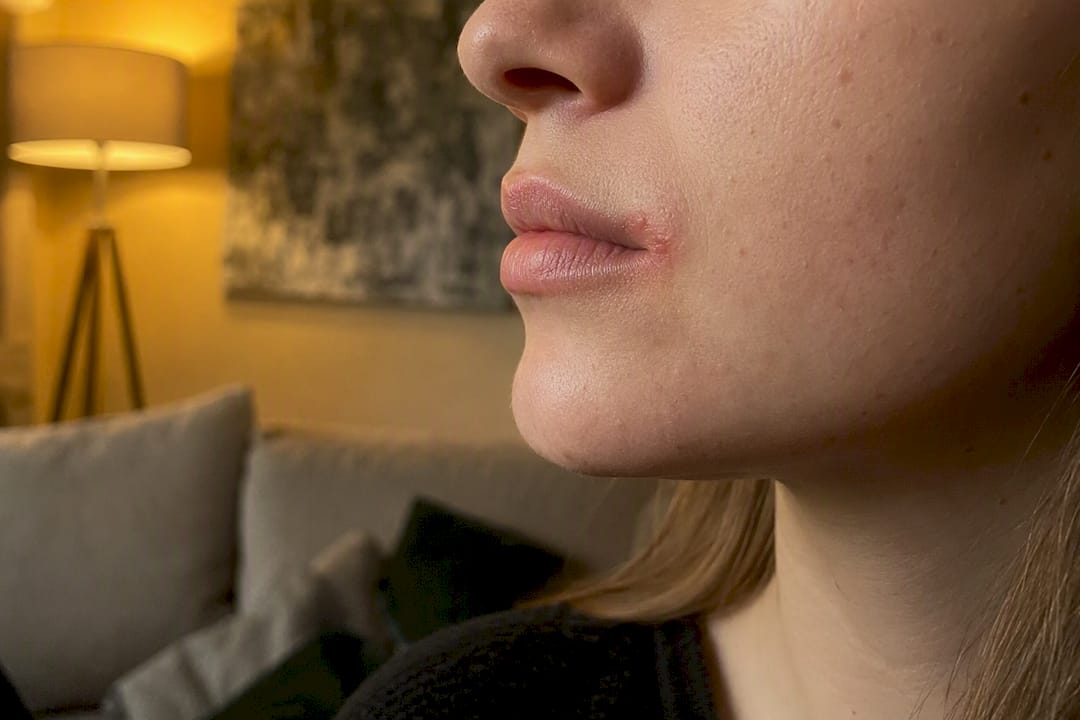
Timing matters too. Irritation tends to appear within seconds or minutes of placing the pouch. A true allergy can develop the same way, but sensitisation sometimes builds over weeks or months of repeated use, meaning a flavour you’ve used without issue for a while can suddenly cause a reaction.
| Points to irritation | Points to allergy | |
|---|---|---|
| Location | Confined to gum or lip contact area | Spreads to face, neck, or body |
| Onset | Immediate, fades on removal | Immediate or delayed by hours |
| Skin | Localised redness | Hives, swelling |
| Breathing | Unaffected | Wheeze, tightness, difficulty |
| Pattern | Consistent with strength/flavour | May worsen with repeated exposure |
Nicotine overdose looks different again, with nausea, dizziness, a racing heart, and sweating rather than skin or airway symptoms. If you’re unsure which category you’re in, comparing how pouches feel against other formats can help you recognise what’s normal for you.
Breathing difficulty, throat tightness, or sudden widespread hives are a medical emergency. Do not wait it out. Call emergency services.
How do doctors diagnose a nicotine pouch allergy?
A GP’s starting point is your history: what you used, how quickly symptoms appeared, and where they spread. From there, the typical process looks like this:
- Clinical history taking. Your GP asks about the specific product, flavour, timing of symptoms, and whether reactions have happened more than once.
- Nicotine avoidance trial. You may be advised to stop all nicotine products temporarily to see whether symptoms resolve.
- Referral to an allergy service. Where allergy is suspected, an allergist can carry out skin prick or patch testing.
- Testing for specific triggers. Because true nicotine allergy is confirmed through medical evaluation rather than assumed, tests sometimes identify a flavour additive or contact sensitiser rather than nicotine itself.
Urgent referral happens if you’ve had recurrent severe reactions or any suspicion of anaphylaxis. Interestingly, contact reactions to nicotine replacement patches are often down to adhesives or excipients, not the nicotine, which shows why differential diagnosis matters so much before you write off nicotine itself as the problem.
What should you do if you suspect an allergy?
Once you suspect a reaction, the sequence of steps matters as much as the actions themselves:
- Remove the pouch and rinse your mouth with water straight away.
- Stop all nicotine products, including patches, gum, or vapes, until you’ve had medical advice.
- Monitor closely for escalating symptoms over the following hour.
- Seek urgent care immediately if you notice airway or breathing symptoms.
- Record the details: flavour, strength, and batch number if visible, and photograph the ingredient list before you dispose of the packaging.
For mild skin symptoms alone, antihistamines can help, but only take them on a clinician’s advice rather than assuming they’re always appropriate. Once an allergy is confirmed, complete avoidance of nicotine in every form, pouches, gum, patches, vapes, is the standard approach, and any alternative nicotine-replacement strategy should only happen under clinical supervision. If you’re prescribed emergency medication, carry it.
It’s also worth reporting the reaction to the manufacturer or the relevant regulator. Adverse event reports feed directly into the safety data that shapes future ingredient warnings, so flagging your experience genuinely helps other users down the line.
How to choose lower-risk pouches when shopping
A few habits at the point of purchase cut your risk without requiring any guesswork:
- Favour simple flavour profiles over heavily blended ones; fewer flavouring chemicals means fewer potential triggers.
- Check for declared allergens such as soy, milk derivatives, or nuts on the packaging.
- Be cautious with known irritants like cinnamon and strong menthol blends if you’ve reacted to them before.
- Start with a lower nicotine strength if you’ve experienced burning or tingling with stronger products.
Documentation matters here too. Photograph the packaging and note the batch or lot number before you open it. If you ever need a clinician’s assessment or want to report a reaction, that detail speeds everything up.
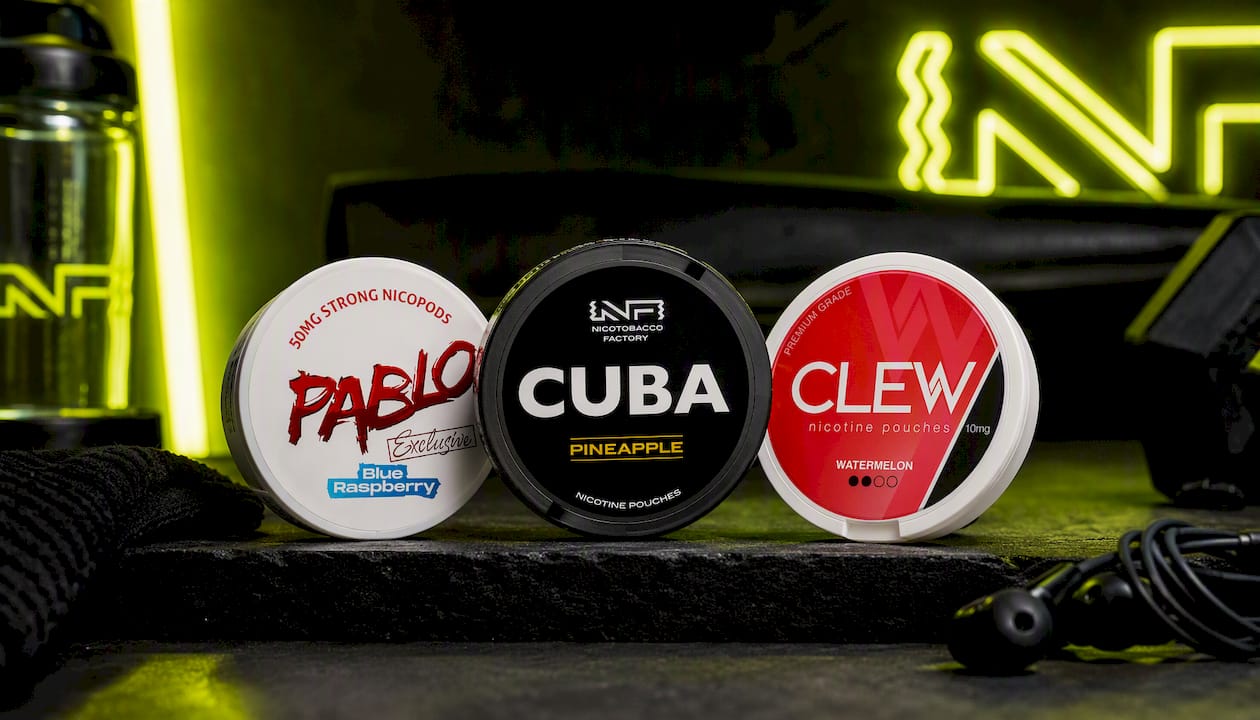
You’ll come across a wide variety of flavours browsing the Hitsnus nicotine pouches collection, from fruit blends like the XQS Strawberry Kiwi and Killa Pineapple to cooler options like Clew Watermelon and menthol-forward choices such as Clew Cool Mint or Clew Menthol. None of this is medical advice about any specific flavour; always check the ingredient list on each product page and stop using anything that causes discomfort. For a deeper look at what’s actually inside these products, the ingredient breakdown guide is worth a read before you buy.
Pro Tip: If you’ve had mild sensitivities before but never a severe reaction, trying a single unflavoured or simple-flavour pouch under safe conditions, at home, with nothing else planned, can help you gauge your own tolerance. If you’ve ever had a severe or systemic reaction, skip the trial and speak to a clinician first.
Find nicotine pouches that suit sensitive users
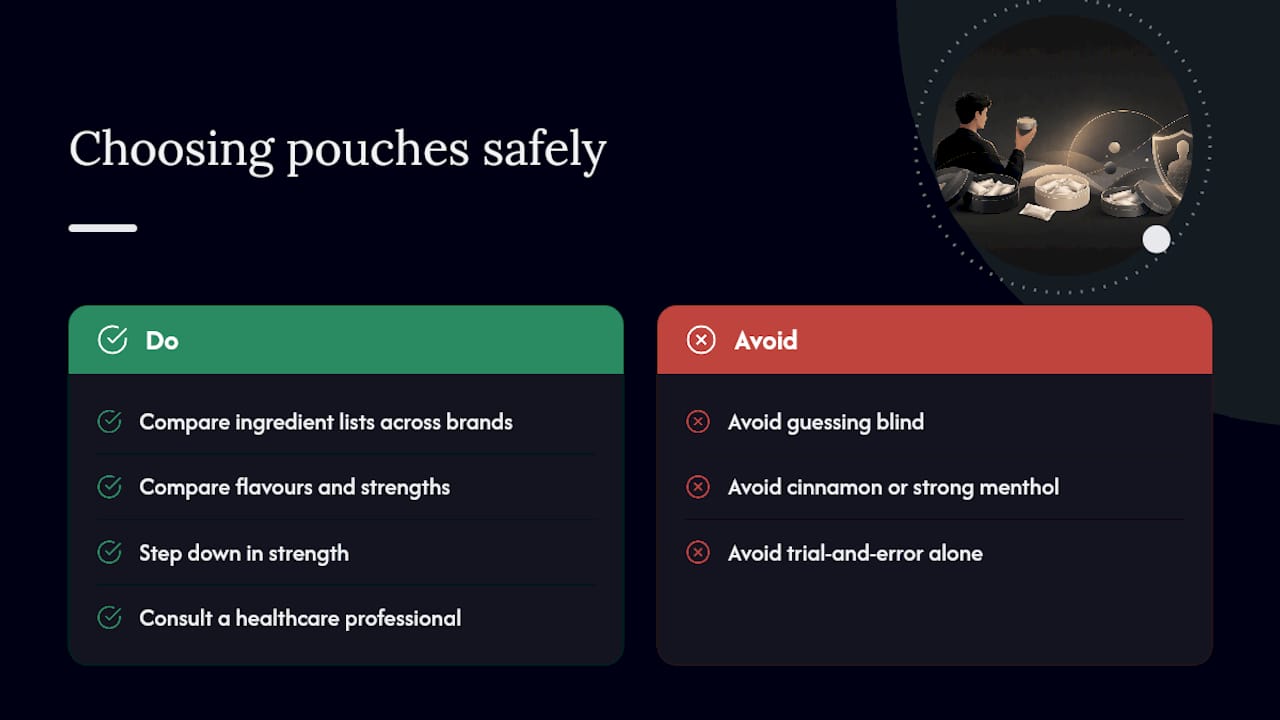
Hitsnus stocks a genuinely wide range of flavours and strengths, which matters most when you’re trying to work around a known sensitivity rather than guessing blind. Instead of settling for whatever’s on the shelf at your local shop, you can compare ingredient lists across brands like Killa Apple side by side before you buy, and step down in strength without losing flavour choice entirely.
If cinnamon or strong menthol has caused you grief before, our nicotine pouch ingredients guide for UK users breaks down what’s actually in each formulation so you’re not relying on trial and error. And if you’re managing a known sensitivity long term, our safe usage guidance for 2026 covers how to introduce a new product cautiously.
Browse the full nicotine pouches collection to compare flavours, strengths, and ingredient declarations before your next order.
This article is general information, not a substitute for advice from a qualified doctor. Consult a qualified healthcare professional about your own circumstances before acting on anything here.
Sources
- Allergies - NHS
- Oral nicotine pouch research (PMC10203764)
- Nicotine allergy: What it is, symptoms, diagnosis, and treatment - Medical News Today
- Nicotine Allergy: Symptoms and Treatment - Healthline
FAQ
Can nicotine cause allergies?
Yes, though it’s uncommon. Most reactions attributed to nicotine actually stem from additives, flavourings, or preservatives in the product rather than nicotine itself, and confirmation requires medical evaluation.
How do I tell if I’m allergic to nicotine?
Look for systemic signs, hives beyond the contact area, facial or throat swelling, or breathing difficulty, rather than localised tingling or burning, which usually points to irritation instead. A skin prick test performed by an allergist gives a definitive answer.
Can nicotine cause histamine intolerance?
There’s no established evidence linking nicotine directly to histamine intolerance. What can happen is a genuine allergic reaction, where your immune system releases histamine in response to a specific trigger, whether that’s nicotine or another ingredient in the pouch.
How do I know if I’m allergic to nicotine patches?
Contact reactions to patches, redness, itching, or a rash under the adhesive, are often caused by the patch adhesive or excipients rather than nicotine. If the reaction spreads beyond the patch site or involves swelling, seek medical advice rather than assuming it’s the adhesive.
What should I do immediately if I think I’m having an allergic reaction to a pouch?
Remove the pouch, rinse your mouth, and stop all nicotine products straight away. If you notice breathing difficulty, throat tightness, or widespread hives, call emergency services rather than waiting to see if symptoms settle.