










Halal nicotine pouches: what Muslim adults need to know
Tobacco-free nicotine pouches occupy a conditional grey area in Islamic law: many contemporary scholars consider them permissible when used specifically to quit smoking and when no significant proven harm exists, but discouraged or impermissible for purely recreational use. According to Islamic Q&A, if a tobacco-free pouch does not involve significant, proven harm, permissibility is a reasonable position. The NHS stop-smoking service and your GP remain the right first call on the medical side.
Three actions to take right now:
- Consult a recognised Islamic scholar or body (such as SeekersGuidance or your local imam) for a ruling tailored to your circumstances.
- Speak to your GP or an NHS stop-smoking adviser before using any nicotine product as a quitting aid.
- Avoid using nicotine pouches during Ramadan daylight hours until you have a clear ruling from a scholar you trust.
Table of Contents
- What do Islamic scholars say about halal nicotine pouches?
- How do tobacco-free pouches differ from snus, cigarettes and NRT?
- Do nicotine pouches break the Ramadan fast?
- Medical evidence on harm and quitting support in the UK
- Should you use nicotine pouches? A decision checklist
- Hitsnus: tobacco-free nicotine pouches with clear labelling
- Sources
- FAQ
What do Islamic scholars say about halal nicotine pouches?
The scholarly debate turns on four legal principles: harm, addiction, intention, and the presence or absence of tobacco. Scholars do not agree on a single ruling, so understanding the reasoning on both sides helps you ask better questions of your own imam or mufti.
Arguments for permissibility
- Tobacco-free pouches contain no tobacco leaf or tar, removing the specific substance most classical scholars cited when ruling cigarettes impermissible.
- Where no significant, proven harm exists, the default Islamic legal position is permissibility. Islamic Q&A applies this reasoning directly to products like ZYN.
- SeekersGuidance confirms that tobacco-free pouches can be permitted when used legitimately to aid quitting and under medical supervision.
- Scholarly precedent already permits nicotine gum and patches as a step toward quitting smoking. Islamweb’s fatwa explicitly allows staged approaches to eliminating harmful habits, and pouches fit that same framework when the intention is cessation.
Arguments against permissibility
- Nicotine is addictive. Scholars who oppose recreational use argue that deliberately creating a new dependency contradicts the Islamic prohibition on self-harm.
- Islamic Q&A states that if a product leads to addiction or serious future harm, it must be avoided — a concern that applies even when tobacco leaf is absent.
- The precautionary principle: long-term evidence on nicotine pouches is still limited. Several fatwas hold that if future research confirms significant harm, current permissibility positions would need to be revised.
- Wasteful spending on a habit with no clear benefit is discouraged in Islamic ethics, particularly when the use is recreational rather than therapeutic.
Intention is the hinge point. A smoker using pouches to wean off cigarettes under medical guidance occupies a very different legal position from someone starting a new nicotine habit for pleasure. SeekersGuidance makes this explicit: the ruling shifts depending on whether the purpose is cessation or recreation.
How do tobacco-free pouches differ from snus, cigarettes and NRT?
Knowing what is actually in the product matters for the halal question. Traditional snus contains fermented tobacco leaf; that single fact is what makes most classical rulings on snus straightforwardly negative. Tobacco-free nicotine pouches are a different category entirely.
You can read a full breakdown of what nicotine pouches are on the Hitsnus blog, but the key distinctions for a halal assessment are summarised below.
| Product | Tobacco present | Route of use | Typical medical use | Scholarly tendency |
|---|---|---|---|---|
| Cigarettes | Yes | Inhaled smoke | None | Generally impermissible |
| Traditional snus | Yes (leaf) | Oral, under lip | None | Generally impermissible |
| Nicotine gum | No | Oral, chewed | Licensed NRT | Often permitted for quitting |
| Nicotine patches | No | Transdermal | Licensed NRT | Often permitted for quitting |
| Herbal/no-nicotine pouches | No | Oral, under lip | Habit replacement | Generally permissible |
The absence of tobacco leaf is necessary but not sufficient for permissibility. Scholars also weigh addiction risk, flavouring ingredients, and the purpose of use.
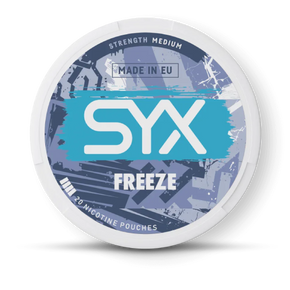
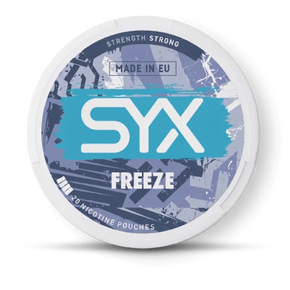
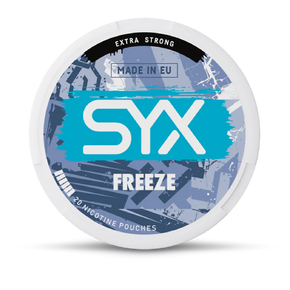
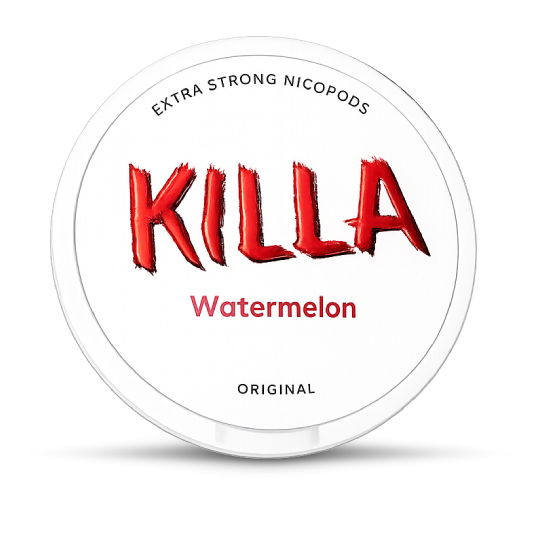
Brands currently available in the UK market include XQS Strawberry Kiwi (8 mg), Clew Watermelon (10 mg), Clew Cool Mint, SYX Forest Fruits (up to 42 mg), Killa Apple, Killa Pineapple, Nordic Spirit Sweetmint (6 mg), and ZYN Spearmint mini (6 mg). These are catalogue examples, not endorsements of their permissibility. Strength varies considerably across the range — SYX Forest Fruits sits at the high end, which is precisely why clinical advice before use matters.
For a direct comparison of pouches with licensed NRT options, the Hitsnus guide on nicotine pouches vs patches and gum is a practical starting point.
Do nicotine pouches break the Ramadan fast?
Yes, placing a nicotine pouch in your mouth during daylight hours in Ramadan almost certainly breaks the fast. The majority scholarly position, supported by IslamQA, is that any substance absorbed through the mouth counts as oral intake and therefore invalidates the fast. Nicotine absorbs directly through the oral mucosa, so the mechanism of absorption is the same as eating or drinking in the relevant legal sense.
Practical alternatives during Ramadan:
- Nicotine patches applied after iftar and removed before suhoor avoid oral absorption entirely. Some scholars and clinicians treat this as permissible during a medically supervised quit attempt — confirm with both your GP and your scholar.
- Herbal, nicotine-free pouches remove the absorption question altogether. The Hitsnus guide on herbal pouches explains how they work as a habit-replacement tool.
- Delaying pouch use to non-fasting hours is not a solution if the goal is cessation — nicotine withdrawal during a 16-hour fast is medically significant and warrants a GP conversation before Ramadan begins.
If you are actively quitting, speak to your GP well before Ramadan. Overnight NRT patches are a clinically recognised option, and some fatwas treat them differently from oral products precisely because absorption is transdermal rather than oral.
Medical evidence on harm and quitting support in the UK
The honest medical picture is that tobacco-free nicotine pouches carry meaningfully lower risk than cigarettes, but “lower risk” is not the same as “no risk.” A PMC clinical review of nicotine and smokeless products notes relative harm reductions compared with combustible tobacco while flagging genuine gaps in long-term evidence for newer pouch products. That uncertainty is exactly what several fatwas reference when they make permissibility conditional on the absence of proven harm.
Nicotine itself is addictive regardless of delivery method. Long-term use carries cardiovascular risk, and users can escalate dose without noticing — particularly with high-strength products. Tracking how many pouches you use per day and at what milligram strength is a practical harm-reduction step.
UK quitting options worth knowing:
- NHS stop-smoking services: free, evidence-based, and available through your GP or directly via the NHS website. Behavioural support combined with NRT roughly doubles quit rates compared with willpower alone.
- Licensed NRT: patches, gum, lozenges, and inhalers are all available on prescription or over the counter. These are the products with the strongest clinical evidence base and the clearest scholarly precedent for permissibility.
- Prescription medication: varenicline (Champix was withdrawn; check current NHS availability with your GP) and bupropion are options a clinician can assess for suitability.
- Behavioural support: community stop-smoking groups, telephone support lines, and digital programmes complement any pharmacological approach.
Pro Tip: Before buying any nicotine pouch, note the milligram strength on the label. Starting at the lowest effective strength — such as a 6 mg product — and tracking your daily usage frequency gives you and your GP a clear picture of whether dependence is developing. Never escalate strength without clinical input.
The Hitsnus nicotine pouches collection lists products across the full strength range with clear labelling, which makes it easier to monitor and manage your intake.
This article draws on product knowledge from the Hitsnus team. Religious rulings come from qualified Islamic scholars; medical decisions belong with your GP or NHS clinician.
Should you use nicotine pouches? A decision checklist

Work through these questions before making a decision, then take your answers to both your scholar and your GP.
Questions to ask yourself first:
- Are you a current smoker or tobacco user trying to quit?
- Is your intended use specifically for cessation, or primarily recreational?
- Have you tried other quitting methods (patches, gum, NHS support) without success?
- Do you have any cardiovascular, dental, or other medical conditions that nicotine could worsen?
- Are you planning to use pouches during Ramadan daylight hours?
- Are you prepared to use them under clinical supervision with a defined end date?
- Have you checked the ingredient list and flavouring sources for halal compliance?
- Are you at risk of escalating to higher-strength products over time?
Questions to ask your scholar:
- Given my intention to quit smoking, does conditional permissibility apply in my madhab?
- Does the addiction risk change the ruling even if I intend to stop after quitting cigarettes?
- Are there specific flavouring ingredients I should ask the manufacturer about?
- What is the ruling in my local fiqh tradition on nicotine products that are not tobacco-derived?
- If medical evidence on long-term harm is still incomplete, which precautionary position should I follow?
Questions to ask your GP or stop-smoking adviser:
- Is a nicotine pouch an appropriate NRT option for my health profile?
- What strength and frequency would you recommend to avoid dose escalation?
- Can I use patches overnight during Ramadan as an alternative to oral products?
- Are there interactions with any medication I currently take?
- What is the recommended duration of use before tapering off entirely?
The decision rule most scholars converge on: if use is solely recreational, avoid. If you are quitting under clinical supervision and a scholar confirms permissibility given your circumstances, conditional use is supported by multiple fatwas. On ingredient sourcing — flavourings and additives in pouches are not always transparently listed. Raise specific ingredient questions directly with the retailer or manufacturer, and bring the answers to your scholar.
Hitsnus: tobacco-free nicotine pouches with clear labelling
For Muslim adults weighing nicotine pouches as a quitting tool, having clear product information is half the battle. Hitsnus stocks a wide range of tobacco-free pouches across every strength level, from lower-dose options like ZYN Spearmint mini at 6 mg to higher-strength products, all with transparent labelling so you can track your intake accurately.
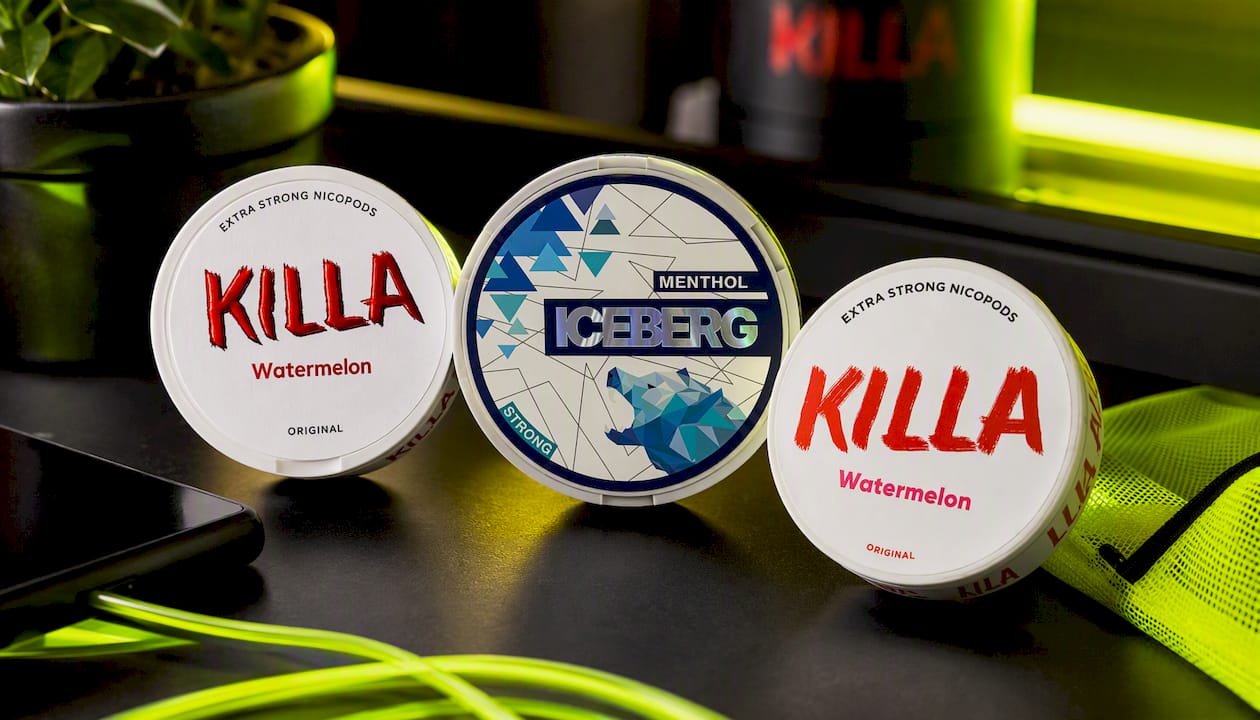
Every product on the Hitsnus nicotine pouches platform is tobacco-free and smoke-free, which addresses the core condition most scholars require before permissibility is even on the table. Detailed ingredient information is available on each product page, giving you something concrete to bring to your scholar or GP. Browse the full range at Hitsnus and use the strength filters to find a starting point your clinician would be comfortable with.
Sources
- Are nicotine pouches (such as ZYN) permissible (halal) or prohibited (haram)? — Islamic Q&A
- IslamQA fasting ruling on substances absorbed orally
- What Is the Ruling on Nicotine Pouches and Their Income? - SeekersGuidance
- PMC review article on nicotine and smokeless tobacco products
FAQ
Is it halal to use nicotine pouches?
The ruling is conditional, not absolute. Many scholars consider tobacco-free nicotine pouches permissible when used to quit smoking under medical supervision and when no significant proven harm exists, but discourage or prohibit purely recreational use due to addiction risk.
Are ZYN nicotine pouches haram?
ZYN pouches contain no tobacco leaf, which removes one major objection. However, Islamic Q&A cautions that absence of tobacco does not automatically make a product permissible if addiction or future harm is likely — so the ruling depends on your intention and health circumstances.
Does using a nicotine pouch break the Ramadan fast?
Yes, according to the majority scholarly position. IslamQA holds that substances absorbed through the mouth during daylight hours invalidate the fast. Transdermal nicotine patches applied after iftar are treated differently by some scholars and clinicians.
Is Velo halal or haram?
Velo is a tobacco-free nicotine pouch brand, so the same conditional framework applies as for other tobacco-free products: permissibility depends on intention, absence of proven harm, and whether use is medically supervised for cessation rather than recreational. Consult a qualified scholar for a personal ruling.
This article provides general information only and is not a substitute for a personal fatwa from a qualified Islamic scholar or medical advice from a qualified clinician. Confirm current guidance with a recognised scholarly body and your GP.