


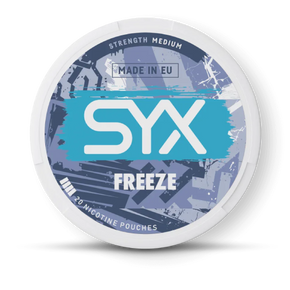








Pouch consumer education: what adults need to know
TL;DR:
- Pouch consumer education provides adults with accurate information on nicotine pouch ingredients, safe use, and differences from smoking or vaping. It aims to promote informed switching, safe practices, and consumer confidence, supporting harm reduction. Clear guidance helps prevent misuse, manages expectations, and ensures responsible product choice.
Pouch consumer education is the process of giving adult consumers clear, accurate information about nicotine pouches, covering what they contain, how to use them safely, and how they compare to smoking or vaping. The industry term for this practice is harm reduction communication, and it sits at the heart of responsible nicotine product retail. The US nicotine pouch market grew from near-zero in 2018 to over $5 billion in annual retail sales by 2025. That figure tells you one thing clearly: millions of adults are making this switch without nearly enough reliable guidance. Hitsnus exists, in part, to close that gap.
What is pouch consumer education and why does it matter?
Pouch consumer education is defined as structured information that helps adults understand nicotine pouches before, during, and after purchase. It covers product composition, correct usage, dosage, safety risks, and the differences between pouches and traditional tobacco products. Without this foundation, consumers rely on guesswork or misinformation, which increases the risk of misuse.
Consumer awareness on pouches matters because nicotine pouches occupy a genuinely new category. They are not cigarettes, not vaping devices, and not traditional snus. Each of those products carries its own risk profile, and conflating them leads to poor decisions. Education separates fact from assumption and gives you the confidence to choose correctly.
Hitsnus treats pouch packaging education as a core part of its service, not an afterthought. Product pages on the site include strength ratings, flavour profiles, and usage guidance alongside purchasing options, so you are never buying blind.
What are nicotine pouches and how do they work?
Nicotine pouches are small, white, tobacco-free pouches placed between the upper lip and gum. They deliver nicotine through the oral mucosa without any combustion, smoke, or vapour. Understanding pouch products at this basic level is the starting point for all further education.

Nicotine pouches contain no tobacco leaf, unlike traditional snus, and deliver nicotine through plant-based fibres and nicotine salts. The fibres are typically derived from eucalyptus or pine, which is why pouches are classified as tobacco-free under most regulatory frameworks. That legal distinction matters when you are choosing a product for use in smoke-free environments.
Here is what a standard nicotine pouch contains:
- Nicotine salts: the active ingredient, extracted and purified separately from tobacco leaf
- Plant-based fibres: eucalyptus or pine cellulose, acting as the carrier material
- Fillers: food-grade materials such as microcrystalline cellulose that give the pouch its shape
- Flavourings: mint, citrus, berry, and other food-approved flavour compounds
- pH adjusters: sodium carbonate or similar agents that optimise nicotine absorption through the gum tissue
- Humectants: ingredients like glycerol that keep the pouch moist and comfortable
The nicotine delivery mechanism differs from smoking in one critical way. Oral absorption leads to slower nicotine uptake compared to inhaled smoke, which means the onset of effect is gentler and more gradual. For someone switching from cigarettes, this is worth knowing upfront so expectations are realistic.
Why is consumer education about nicotine pouches essential?
Clear education about nicotine pouches serves three goals: it promotes safe use, supports informed switching from smoking, and builds consumer confidence. Each of these goals has a direct impact on public health outcomes.
Here is why structured pouch packaging education is non-negotiable:
-
Safety depends on correct usage. Nicotine pouches are not harmful in the same way cigarettes are, but they are not risk-free. Experts caution that although nicotine pouches reduce many harms of smoking, they remain addictive and carry cardiovascular risks. Knowing this before you start is not a deterrent. It is responsible preparation.
-
Switching from smoking requires realistic expectations. Many adults turn to pouches as a step away from cigarettes. Education clarifies what pouches can and cannot do. They eliminate combustion and tar exposure, but they do not eliminate nicotine dependence. That distinction shapes a realistic switching plan.
-
Dosage literacy prevents overconsumption. A single nicotine pouch typically contains 3–20mg of nicotine, which is higher than the roughly 1mg absorbed from a single cigarette. Without this knowledge, a new user might reach for a high-strength pouch and experience nausea or dizziness.
-
Regulatory literacy protects you. Understanding that pouches are tobacco-free under law helps you navigate workplace policies, travel restrictions, and public-use rules with confidence.
-
Confidence drives better decisions. Consumer education drives confidence in nicotine pouch adoption and supports harm reduction goals. A well-informed consumer is less likely to misuse a product and more likely to stick with a switching plan.
Pro Tip: If you are new to nicotine pouches, read the strength label before anything else. A 6mg pouch is a reasonable starting point for most adults switching from light cigarettes. A 16mg pouch is designed for heavy, experienced users.
How to use nicotine pouches safely and effectively
Correct usage is the practical core of understanding pouch products. The mechanics are simple, but the details matter for both comfort and safety.
Placement and duration
Place the pouch between your upper lip and gum, towards one side of your mouth. You will feel a mild tingling as nicotine begins to absorb. Most pouches are designed for 20–60 minutes of use. Leaving a pouch in longer does not increase nicotine delivery significantly and may cause gum irritation.
Choosing the right strength
Nicotine strength is labelled in milligrams per pouch or as a category such as “normal,” “strong,” or “extra strong.” If you currently smoke fewer than ten cigarettes a day, start with a 4mg or 6mg pouch. Heavier smokers may find 8mg or 10mg more satisfying. Avoid jumping to the highest available strength without building tolerance first.
- Do not swallow the pouch. Swallowing a nicotine pouch is uncomfortable but not dangerous in small quantities. If symptoms like nausea or dizziness occur, seek medical advice promptly.
- Do not use multiple pouches simultaneously. Stacking pouches doubles your nicotine intake and increases the risk of side effects.
- Store pouches in a cool, dry place. Heat and moisture degrade the flavour and can affect nicotine stability.
- Dispose of used pouches responsibly. Most pouch tins include a small compartment under the lid for used pouches. Never drop them on the ground.
Pro Tip: If you experience hiccups or a burning sensation in your gum, move the pouch to a different position or reduce your session length. These are common beginner reactions, not signs of a serious problem.
For a thorough breakdown of safe pouch usage, Hitsnus has a dedicated guide covering health implications and safety warnings in plain language.
Nicotine pouches vs cigarettes and vaping: a direct comparison
One of the most common questions in pouch consumer education is how pouches stack up against cigarettes and vaping devices. The answer is not simply “pouches are better.” It is more specific than that.
Nicotine pouches eliminate harmful combustion byproducts such as tar, carbon monoxide, and polycyclic aromatic hydrocarbons found in smoking. That is a meaningful reduction in harm, not a trivial one. However, pouches are still addictive, and the cardiovascular effects of nicotine itself remain present regardless of delivery method.
| Feature | Nicotine pouches | Cigarettes | Vaping devices |
|---|---|---|---|
| Tobacco leaf content | None | Yes | None |
| Combustion | None | Yes | None |
| Tar and carbon monoxide | None | Yes | None |
| Nicotine delivery | Slow, oral absorption | Fast, inhaled | Fast to moderate, inhaled |
| Discreet public use | Yes | No | Limited |
| Odour | None | Strong | Moderate |
| Allowed in smoke-free zones | Usually yes | No | Varies |
| Addiction potential | Yes | Yes | Yes |
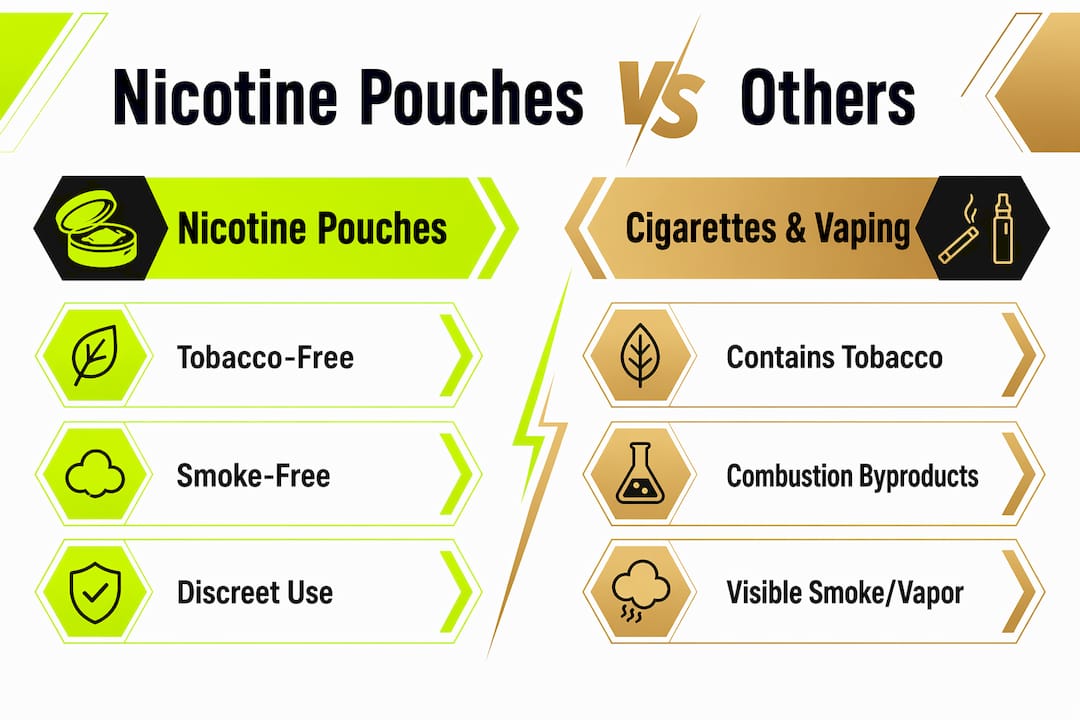
Nicotine pouches are tobacco-free, offering a discreet, smoke-free option that can be used in places where smoking or vaping is banned. This makes them particularly practical for workplaces, public transport, and indoor settings. The absence of odour is also a social benefit that many switchers underestimate until they experience it.
Vaping sits between cigarettes and pouches on the harm spectrum. It eliminates combustion but still involves inhaled aerosols, which carry their own respiratory questions. Pouches sidestep inhalation entirely, which is their clearest structural advantage over both cigarettes and vaping devices.
Understanding ingredients and regulatory considerations
Knowing what goes into a nicotine pouch is a core part of consumer awareness on pouches. The ingredient list is short, and each component has a defined role.
Nicotine pouches use plant-based fibres like eucalyptus or pine to carry nicotine salts, differing chemically and legally from tobacco leaf products. This distinction is what allows pouches to be sold in many markets where tobacco products face stricter regulation. The nicotine itself is extracted from tobacco plants but is then purified to a pharmaceutical-grade salt, which is why the final product contains no tobacco leaf.
Key regulatory points worth knowing:
- Tobacco-free classification: In the UK and across the EU, nicotine pouches are regulated separately from tobacco products. This affects where they can be sold, how they are labelled, and what health warnings must appear on packaging.
- Labelling standards: Reputable brands include nicotine content per pouch, recommended usage duration, age restrictions, and addiction warnings on every tin.
- Age restrictions: Nicotine pouches are legal only for adults aged 18 and over in the UK. Responsible retailers verify age at point of sale.
- Quality control: Established brands such as ZYN, Velo, and FUMI submit products to independent testing to verify nicotine content accuracy and ingredient safety.
For a detailed breakdown of what each ingredient does, the pouch ingredient guide on Hitsnus is worth reading before you buy. The Global Pouch Forum 2026 also highlights how the industry is investing in education and quality standards at a structural level, which gives consumers additional confidence in regulated products.
Key takeaways
Pouch consumer education is the single most effective tool for reducing misuse and supporting confident, informed switching from traditional tobacco products.
| Point | Details |
|---|---|
| Education before purchase | Read strength labels and ingredient lists before choosing a pouch to avoid dosage errors. |
| Tobacco-free does not mean risk-free | Nicotine pouches eliminate combustion harms but remain addictive and carry cardiovascular risks. |
| Slower absorption changes the experience | Oral nicotine delivery is gentler than smoking, so expect a different onset and adjust your strength choice accordingly. |
| Disposal and storage matter | Store pouches in cool, dry conditions and use the tin’s disposal compartment to avoid littering. |
| Regulation protects you | Buying from regulated retailers such as Hitsnus means products meet labelling, age verification, and quality standards. |
Why I think most people underestimate the value of pouch education
Most adults who switch to nicotine pouches do so because they want to stop smoking, not because they have researched harm reduction theory. That is completely understandable. But the gap between “I want to quit cigarettes” and “I know how to use pouches correctly” is wider than most people expect, and that gap is where problems occur.
The most common mistake I see is strength selection. Someone who smokes twenty cigarettes a day picks up a 4mg pouch, finds it unsatisfying, and concludes that pouches do not work. The product did not fail. The education did. A 10mg or 12mg pouch would have been the right starting point, and that information should have been available before the first purchase.
The second issue is expectation management around addiction. Pouches are genuinely less harmful than cigarettes in terms of combustion-related disease risk. But they are not a clean exit from nicotine dependence. Treating them as a permanent harm reduction tool rather than a guaranteed quit method leads to better outcomes and fewer disappointments.
What gives me confidence in the direction things are heading is that platforms like Hitsnus are building education into the retail experience itself. Product pages that explain strength categories, usage tips, and ingredient transparency are not just good marketing. They are the kind of consumer benefits that actually change behaviour. The more clearly a retailer communicates, the better the outcomes for the people buying.
— Fabio
Find trusted nicotine pouches and clear guidance at Hitsnus
Hitsnus stocks a wide range of tobacco-free nicotine pouches from established brands including ZYN, Velo, and FUMI, with products spanning multiple strengths and flavours to suit different needs. Every product listing includes strength ratings, usage guidance, and flavour descriptions so you can make an informed choice before you buy. Whether you are switching from cigarettes or simply curious about smokeless nicotine options, the Hitsnus nicotine pouch store offers fast UK delivery and a catalogue built around quality and transparency. Browse the full range and find the right pouch for your needs today.
FAQ
What is pouch consumer education?
Pouch consumer education is the practice of providing adults with accurate information about nicotine pouches, covering ingredients, correct usage, dosage, safety risks, and how pouches compare to smoking or vaping.
Are nicotine pouches tobacco-free?
Yes. Nicotine pouches contain no tobacco leaf. They use plant-based fibres such as eucalyptus or pine cellulose to carry purified nicotine salts, which is why they are classified as tobacco-free under UK and EU regulations.
How do I choose the right nicotine pouch strength?
Start with a 4mg or 6mg pouch if you smoke fewer than ten cigarettes a day. Heavier smokers typically need 8mg or higher. Always check the strength label and avoid the highest available strengths until you know your tolerance.
Can I use nicotine pouches in smoke-free areas?
In most cases, yes. Because pouches produce no smoke, vapour, or odour, they are generally permitted in workplaces, public transport, and other smoke-free environments, though individual venue policies vary.
Are nicotine pouches addictive?
Yes. Nicotine pouches are addictive because they contain nicotine. They eliminate combustion-related harms such as tar and carbon monoxide, but the nicotine itself still carries cardiovascular risks and dependence potential.