





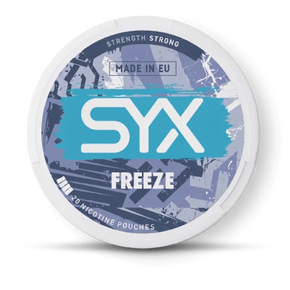







Swallowed nicotine pouch: what to expect and do next
Swallowing a single nicotine pouch usually causes nothing worse than mild nausea, a bit of dizziness, or a queasy stomach that settles within a few hours. It becomes a medical emergency in specific situations: a child or pet has swallowed one, several pouches went down at once, the pouch was high strength, or symptoms turn severe. Knowing which category applies to you is the whole point of the next few minutes.
- Call 999 now if there is difficulty breathing, seizures, collapse, or the person cannot be woken.
- Call NHS 111 for personalised triage if symptoms are mild to moderate. Have the pouch tin ready so you can give the strength (in mg) and how many were swallowed.
- Right now: take any remaining pouch out of the mouth and keep the packaging. You’ll need it for the phone call.
Table of Contents
- Is a swallowed nicotine pouch actually dangerous?
- What symptoms should you expect and how long do they last?
- What should you do right now?
- Can one pouch cause nicotine poisoning?
- Why pouch strength and brand labelling matter
- If a child or pet swallowed a pouch, act immediately
- How to stop this happening again
- What the evidence says about absorption and risk
- Choosing pouches that make accidental swallowing less likely
- Sources
- FAQ
Is a swallowed nicotine pouch actually dangerous?
It depends almost entirely on the route of exposure. Nicotine pouches are built to release nicotine slowly through the lining of the mouth, sitting between the gum and lip so it absorbs buccally, not through the stomach. Swallow one, and the nicotine instead has to survive stomach acid and pass through the gut, which changes both how fast it hits your system and how much of it your body actually absorbs.
For a healthy adult who has swallowed one low-strength pouch, the outcome is nearly always mild and short-lived. The risk climbs sharply in these scenarios:
- A child or pet has ingested a pouch, used or unused.
- Multiple pouches have been swallowed at once.
- The product is high strength (above roughly 6 to 10mg).
- The person is pregnant or has a diagnosed heart condition.
Official guidance is unambiguous that pouches are for oral use only and were never designed to be swallowed, which is exactly why the NHS-backed user guide stresses child-resistant storage in the first place.
What symptoms should you expect and how long do they last?
Symptoms typically show up within 15 to 60 minutes of ingestion, since nicotine absorbed from the gut still reaches the bloodstream reasonably quickly. The most commonly reported effects include:
- Nausea and vomiting
- Stomach cramps or pain
- Dizziness or light-headedness
- Sweating and increased salivation
- A racing heartbeat (palpitations)
- Headache
- General weakness or shakiness
For most adults who swallow a single low-strength pouch, these symptoms peak within an hour or two and fully resolve within 24 hours. That timeline lengthens if more nicotine was swallowed or absorption was delayed by food in the stomach.
Red flags that mean stop monitoring and get emergency help immediately:
Confusion, tremors or seizures, collapse, breathing difficulty, or inability to stay awake are not “wait and see” symptoms. These point towards more significant nicotine poisoning and need a 999 call, not a home watch.
What should you do right now?
Work through this in order. It takes two minutes and gives NHS 111 or paramedics everything they need.
- Stay calm and check the airway. Most swallowed pouch cases do not become emergencies, so panic helps no one.
- Do not induce vomiting unless a medical professional specifically tells you to. Forcing vomiting can cause its own complications and isn’t part of standard nicotine ingestion management.
- Remove any pouch still in the mouth and set it aside with the tin.
- If drowsy, vomiting repeatedly, or showing any confusion, do not give food or drink. Aspiration risk goes up if someone is not fully alert.
- Call 999 immediately if you see seizures, collapse, breathing difficulty, or unconsciousness. Don’t wait to see if it passes.
- Call NHS 111 for everything else. They will triage based on age, weight, pouch strength, and how many were swallowed.
- Photograph or keep the tin. Note the exact product name, mg strength, how many pouches, and the time of ingestion before you call. This single step often speeds up triage more than anything else you can do.
General NHS poisoning guidance treats nicotine ingestion the same way as other poisoning calls: triage first through 111, escalate through 999 only for the serious signs listed above.
Can one pouch cause nicotine poisoning?
Labelled strengths on nicotine pouches commonly range from about 2mg to 10mg per pouch, though outliers exist. One low-strength pouch swallowed by an adult rarely causes anything beyond mild, transient symptoms. The picture changes fast with repeated dosing or high-strength products.
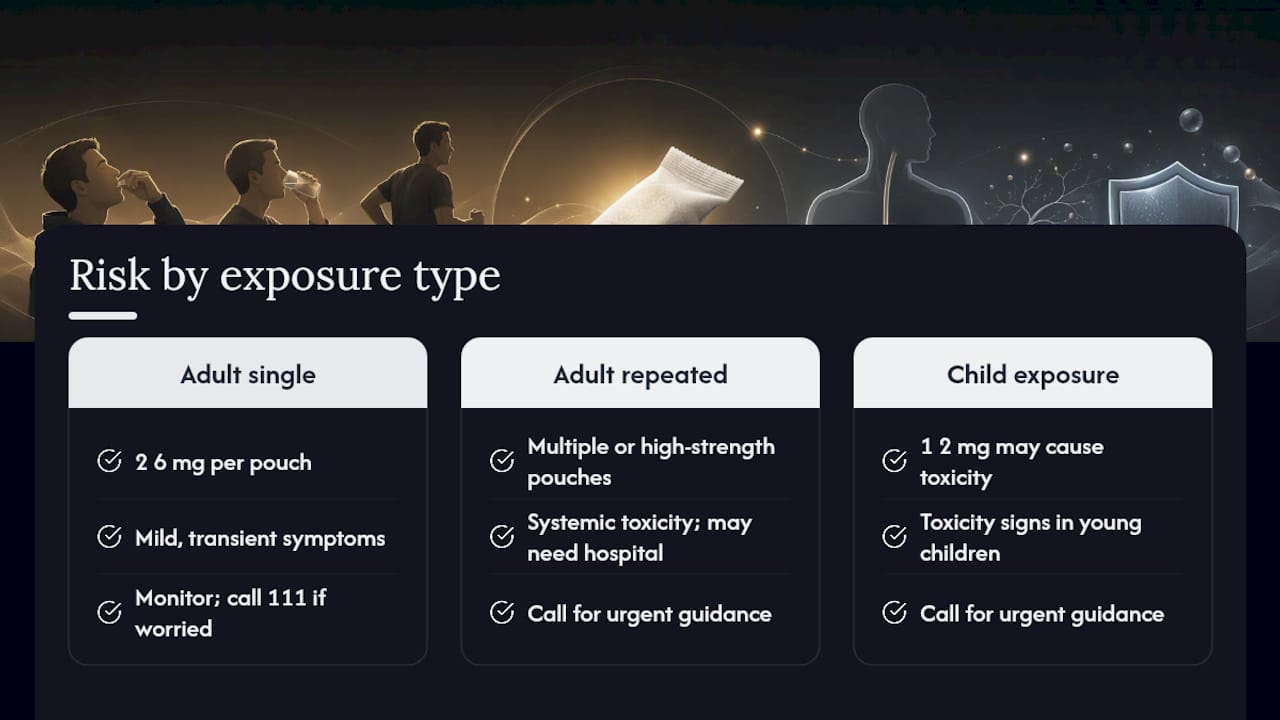
Child sensitivity is a different story entirely. According to poison-control data referenced by MedlinePlus, ingestions of just 1 to 2mg of nicotine have triggered toxicity signs in young children, a fraction of what’s in a single standard pouch. Body weight matters enormously here: a dose that barely registers in a 75kg adult can be significant in a 12kg toddler.
There’s a documented clinical example that makes the repeated-dose risk concrete. A published case report describes a 21-year-old who consumed 15 extra-strength pouches (10.9mg each) over 12 hours and developed nausea and confusion severe enough to require hospital admission.
The case underscores that while a single low-strength exposure is usually mild, repeated or high-dose pouch use can produce systemic toxicity requiring hospital care, exactly the pattern clinicians now watch for in emergency departments.
The takeaway: one low-strength pouch swallowed by an adult is a “monitor and call 111 if worried” situation. Multiple pouches, high-strength products, or any paediatric exposure moves straight into “call for urgent guidance” territory.
Why pouch strength and brand labelling matter
The mg figure on a tin tells you roughly how much nicotine is in each pouch, but actual absorption varies by product and by how the nicotine is formulated. The Committee on Toxicity has noted real variability in bioavailability across oral nicotine pouches, which is precisely why the exact product name matters when you’re on the phone to NHS 111.
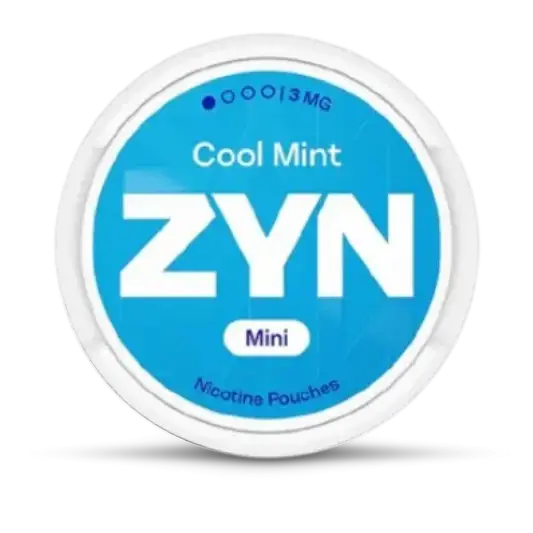
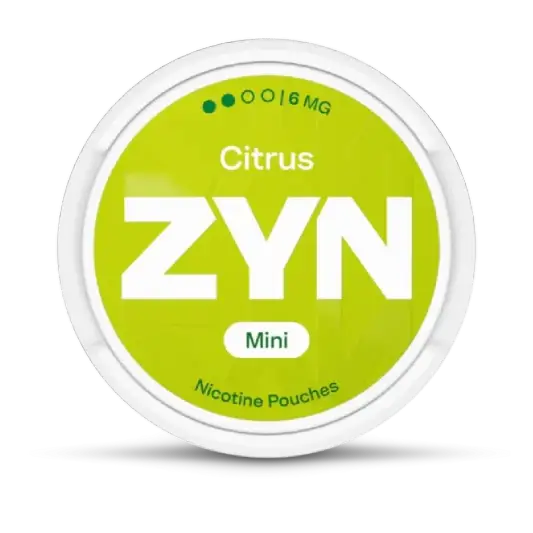
Look at the tin the way a triage nurse will need you to describe it. Products like ZYN Citrus mini at the lower end, ZYN Citrus Mini at a mid strength, and ZYN Cool Mint mini all carry clearly printed mg strengths on the tin lid. Knowing the difference between a 3mg and a 6mg pack, and being able to say so on the phone, genuinely changes how a triage call is handled.
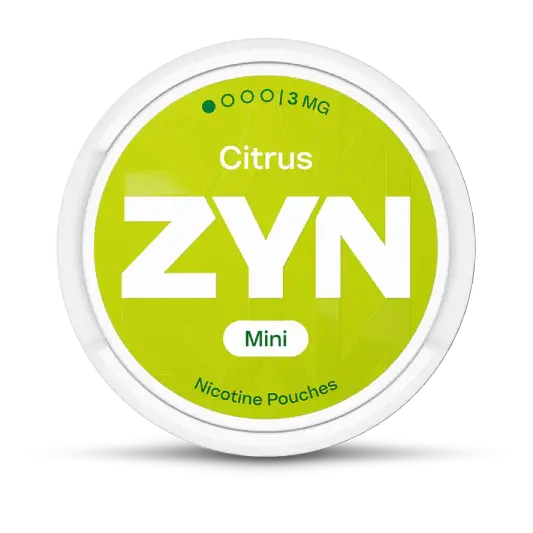
Pro Tip: Photograph the tin lid before you dispose of anything. It gives you the product name, strength, and batch details in one image, which is far faster than trying to remember them under stress.
If a child or pet swallowed a pouch, act immediately
Treat every child or pet exposure as potentially serious from the first moment, whether or not symptoms have appeared yet.
- Call NHS 111 or your local poison helpline immediately. Do not wait to see if symptoms develop.
- Have the product, approximate weight, and time of ingestion ready. This is the exact information triage staff will ask for first.
- For pets, contact a vet or emergency animal clinic straight away. Used pouches still contain nicotine and the flavouring often makes them more, not less, appealing to curious animals.
- Do not attempt to make the child or pet vomit unless a medical professional instructs you to.
Children and pets carry far less body mass and effectively zero nicotine tolerance, so the same dose that barely troubles an adult can be genuinely dangerous for them. Poison-centre data cited in regional toxicology presentations shows paediatric nicotine pouch exposures rising sharply in recent years, and clinicians typically use an observation window of several hours even for children who seem symptom-free at first.
How to stop this happening again
A few habit changes cut the risk to near zero.
- Store tins in their original child-resistant packaging, out of sight and out of reach, not in a coat pocket or on a coffee table.
- Never transfer pouches into unlabelled containers or leave them anywhere near food.
- Remove your pouch before eating, exercising, drinking heavily, or sleeping. Most accidental swallows happen when a pouch is forgotten mid-activity.
- Dispose of used pouches in a sealed bin or the tin’s built-in disposal compartment. They retain meaningful residual nicotine even after use.
Pro Tip: Get into the habit of checking your tin’s lid compartment each time you swap a pouch, that small ritual is often what stops a used pouch ending up loose in a bag or bin a child can reach. For a full walkthrough of correct placement and timing, see this guide on using nicotine pouches properly.
What the evidence says about absorption and risk
Nicotine from a swallowed pouch behaves differently in the body than nicotine from a cigarette or vape. Review literature on managing nicotine e-liquid intoxications confirms that pharmacokinetics shift by administration route, meaning gastric absorption can produce a different exposure curve than the buccal route pouches are designed for.
Case evidence and pharmacokinetic reviews both point the same direction: repeated dosing or high labelled strengths can push nicotine exposure into territory that needs hospital-level care, even when a single low-strength exposure would have resolved on its own.
This is exactly why the triage thresholds above exist. One pouch, low strength, adult: usually watch and wait, call 111 if unsure. Multiple pouches, high strength, or any child or pet exposure: escalate without delay.
- The case report on hospital admission after repeated high-dose use
Choosing pouches that make accidental swallowing less likely
Part of avoiding this situation altogether comes down to using products with clearly labelled, predictable strengths, so you always know exactly what you’re dealing with if something goes wrong. Hitsnus stocks a full range of labelled strengths from brands including ZYN, so you can choose a lower-strength option like the ZYN Citrus mini if you’re newer to pouches or want a wider safety margin, rather than guessing at unfamiliar or unlabelled products.
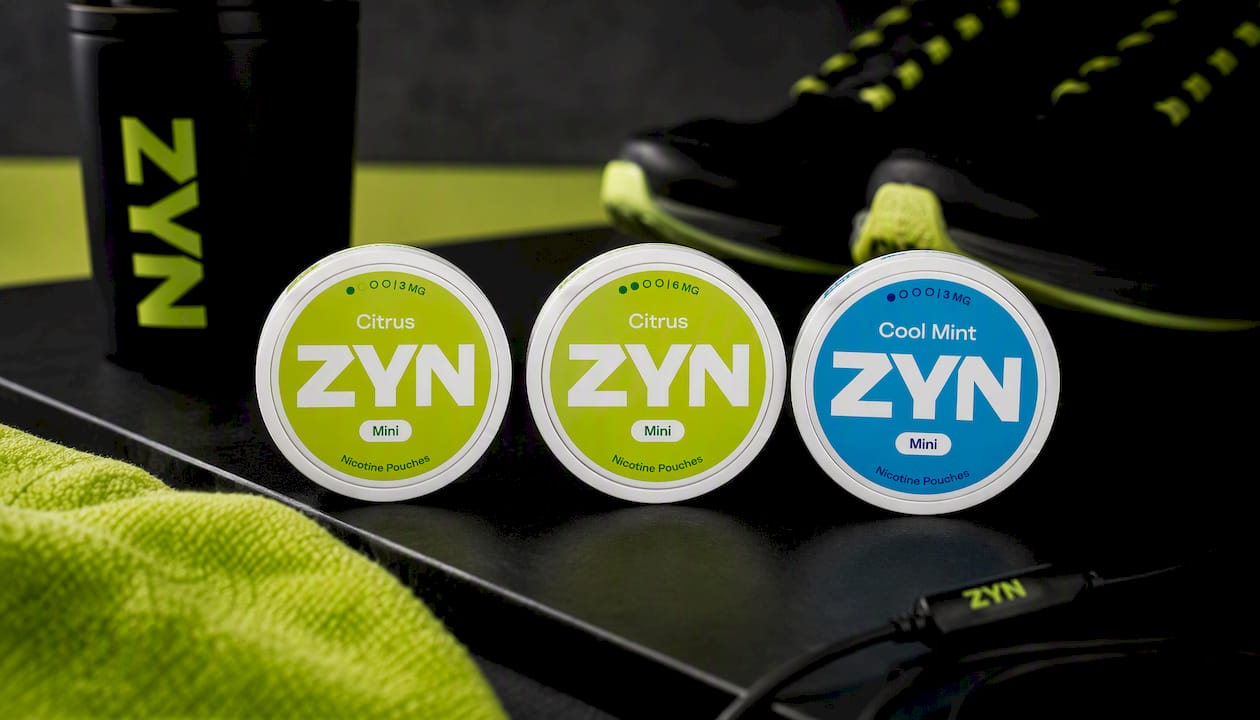
Every product page lists the exact mg strength printed on the tin, which matters more than most people realise until they’re on the phone to NHS 111 trying to describe what they swallowed. Options such as the ZYN Cool Mint mini and the higher-strength ZYN Citrus Mini sit side by side on the site with their strengths clearly stated, so you can pick what suits your tolerance rather than defaulting to whatever’s on the shelf. Browse the full nicotine pouches range to compare strengths and flavours before your next order, and keep the tin once it arrives. It’s the single most useful object to have on hand if an accidental swallow ever happens.
This article is general information, not a substitute for advice from a qualified doctor. Consult a qualified healthcare professional about your own circumstances before acting on anything here.
Sources
- Case report: acute nicotine toxicity secondary to nicotine pouch use
- Nicotine Pouch User Guide
- Nicotine poisoning
- ToxTalks: paediatric nicotine ingestions (presentation)
- Advice on actions for suspected ingestion of nicotine e‑cigarette vaping liquid (RCN)
FAQ
What should I do if I accidentally swallow a snus or nicotine pouch?
Remove any remaining pouch from your mouth, keep the packaging for reference, and monitor for symptoms. Call NHS 111 for guidance, or 999 if you develop breathing difficulty, seizures, or confusion.
Is it okay to swallow saliva produced while using a nicotine pouch?
Swallowing saliva during normal pouch use is expected and not the same as swallowing the pouch itself, since only a small amount of nicotine transfers into saliva during buccal absorption. It’s not considered dangerous in typical use.
Do you get more of a hit if you swallow ZYN spit rather than spitting it out?
Swallowing saliva can slightly increase total nicotine absorbed since some passes through the gut lining, but the difference is generally minor compared with the buccal absorption the pouch is designed for. It is not a reliable or recommended way to increase effect.
What actually happens if you accidentally swallow a nicotine pouch?
Most adults experience mild, short-lived symptoms such as nausea, dizziness, or stomach discomfort that resolve within a few hours to a day. Severe reactions are uncommon with a single low-strength pouch but become more likely with multiple pouches, high-strength products, or in children and pets.