





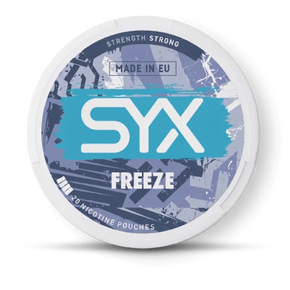







Nicotine Pouch Usage Frequency – Optimising Safe Habits
Switching from smoke-filled rooms to discreet nicotine pouches is becoming a quiet trend in the United Kingdom. The appeal lies in enjoying nicotine without tobacco, odour, or social restrictions. For those seeking to refine their usage habits, understanding the core definition and frequency of pouch use can help achieve comfort and privacy. This overview highlights what sets nicotine pouches apart, their growing popularity among adults, and how users can make informed choices based on real data.
Table of Contents
- Nicotine Pouch Frequency – Core Definition
- Popular Brands, Strengths And Usage Patterns
- User Demographics And Current Uk Trends
- Risks And Harm Reduction Considerations
- Legal Rules And Future Regulations
Key Takeaways
| Point | Details |
|---|---|
| Nicotine Pouches Trending | Usage among adults in the UK is low but growing, particularly among young men aged 18-39. |
| Regulatory Gaps | Current regulations around nicotine pouches are fragmented, lacking comprehensive age restrictions and safety standards. |
| Health Considerations | While nicotine pouches may reduce some smoking-related risks, they still pose health concerns due to nicotine addiction and potential harmful substances. |
| Future Legal Changes | Proposed legislation aims to introduce structured regulations for nicotine pouches, focusing on age controls and marketing restrictions. |
Nicotine pouch frequency – core definition
Nicotine pouches represent a modern, smokeless nicotine delivery method that involves placing a small sachet between the upper lip and gum to release nicotine without tobacco. King’s College London research reveals that these discrete nicotine products are experiencing a gradual increase in popularity across Great Britain, with current usage hovering around 1% among adults.
The core definition encompasses these key characteristics: small, teabag-like sachets containing nicotine and flavourings, designed for oral consumption without combustion or tobacco content. Unlike traditional smoking methods, nicotine pouches offer a discreet alternative that can be used in various social settings without producing smoke or requiring specific designated areas.
Recent data indicates a noteworthy trend in nicotine pouch adoption. Usage statistics from ASH Scotland suggest that while current use remains low, there’s a significant growth trajectory. Approximately 6% of adults have experimented with these pouches, with usage being particularly prevalent among men aged 18-39. This demographic trend highlights the product’s appeal as a contemporary nicotine consumption method.
Pro tip: When exploring nicotine pouch usage, start with lower nicotine strengths and gradually adjust to find your optimal comfort level, paying close attention to your individual tolerance and consumption preferences.
Popular brands, strengths and usage patterns
The nicotine pouch market in the United Kingdom features a diverse range of brands catering to different consumer preferences. Nicotine pouch brands in the UK such as Nordic Spirit, Velo, and Zyn offer a comprehensive selection of flavours and strengths, ranging from mint and citrus to more unique options like fruit and cola.
Nicotine strength variations are a critical aspect of these products, typically spanning from 0 to 20 mg per pouch. This wide range allows users to select pouches that match their individual nicotine tolerance and consumption preferences. The demographic most attracted to these products appears to be younger adults, with marketing strategies specifically targeting individuals seeking discreet nicotine consumption methods.
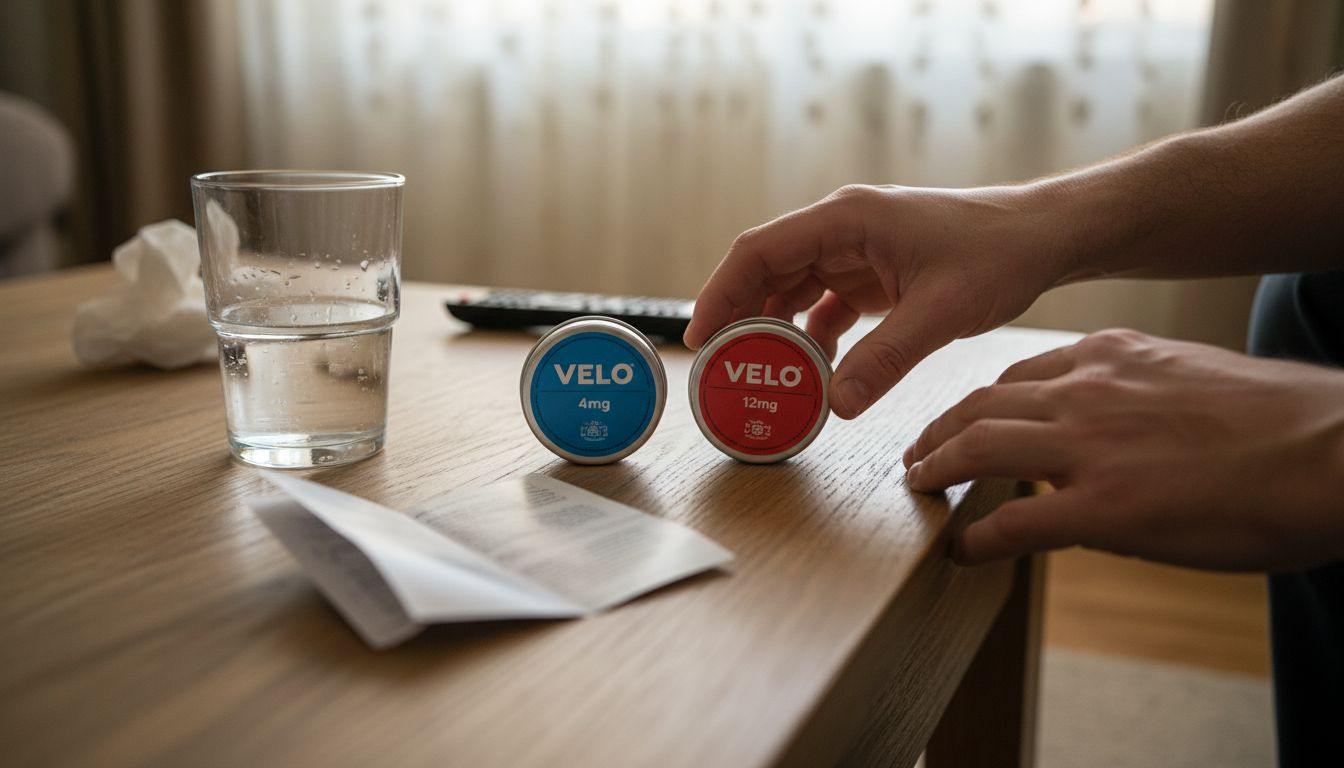
Usage statistics from ASH Scotland indicate a rapidly evolving market, with brands like Velo and Nordic Spirit experiencing significant sales growth. The pouches are predominantly marketed as alternatives to traditional smoking and vaping, appealing to consumers looking for more socially acceptable nicotine delivery methods. However, it’s crucial to note that these products currently lack comprehensive long-term safety research and medicinal approval.
The following table summarises the key differences between nicotine pouches and other popular nicotine delivery methods in the UK:
| Attribute | Nicotine Pouches | Traditional Cigarettes | Vaping Devices |
|---|---|---|---|
| Tobacco Content | None | High | None or trace |
| Nicotine Delivery | Oral, slow release | Inhalation, rapid absorption | Inhalation, controllable |
| Social Acceptability | Discreet, odourless | Social restrictions, smoke | More accepted, some limits |
| Regulations (UK) | Fragmented, limited | Strict age and sale restrictions | Moderate, evolving |
| Long-term Safety Data | Insufficient, emerging | Extensive, linked to disease | Growing, but incomplete |
Pro tip: When exploring nicotine pouch brands, start with lower strength options and gradually experiment to find the most suitable product for your individual needs and comfort level.
User demographics and current UK trends
Demographic research from King’s College London reveals a nuanced picture of nicotine pouch usage in the United Kingdom. The data indicates that these products are predominantly consumed by younger adults, with a notable skew towards male users between 18 and 40 years old. Current usage rates hover around 1.2%, suggesting a growing but still relatively niche market of alternative nicotine consumption.
The evolving landscape of nicotine pouch adoption reflects complex social and marketing dynamics. Young adults appear most receptive to these products, particularly those with prior experience of smoking or vaping. This demographic trend raises important questions about targeted marketing strategies and potential health implications for vulnerable population segments.
Recent ASH data highlights a significant increase in awareness among under-18s, with youth recognition of nicotine pouches rising from 38% to 43%. This surge has prompted calls for more robust legislation and stricter age-related sales controls. The research underscores the need for comprehensive regulatory frameworks to manage the potential risks associated with these emerging nicotine delivery products.
Here is a summary of current UK trends and demographic highlights relating to nicotine pouch usage:
| Trend or Demographic | Key Insight | Supporting Data |
|---|---|---|
| Adult Usage Rate | Niche but growing | ~1.2% of adults use them |
| Main Demographic | Young men aged 18-40 | Highest prevalence noted |
| Youth Awareness | Awareness among under-18s is rising | 38% → 43% in recent years |
| Regulatory Response | Push towards tighter controls | New bills under discussion |
Pro tip: When considering nicotine pouch usage, critically evaluate your personal health background and consult healthcare professionals to understand potential individual risks and appropriate consumption patterns.
Risks and harm reduction considerations
Research from ASH Scotland indicates that nicotine pouches represent a complex harm reduction strategy. While these products eliminate traditional smoking risks like combustion and tobacco exposure, they are not without potential health implications. The absence of smoke does not automatically guarantee safety, as nicotine itself remains an addictive substance with potential cardiovascular and neurological impacts.
The unregulated nature of nicotine pouches presents significant challenges for consumer safety. Nicotine content can vary widely between products, and current regulations do not mandate standardised testing or maximum nicotine concentration limits. This variability means users might unknowingly consume higher nicotine levels than intended, potentially increasing addiction risks and adverse health effects.
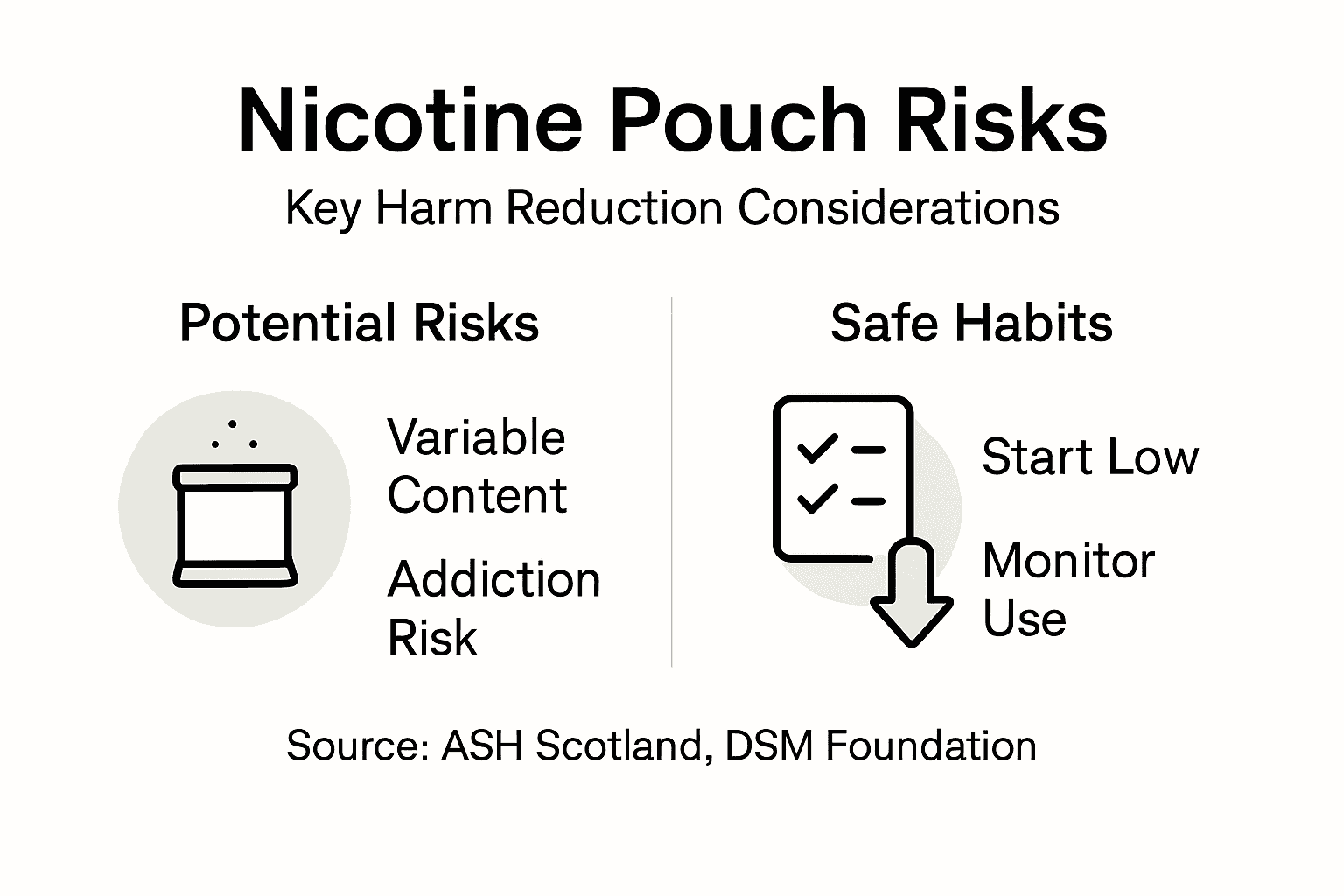
The DSM Foundation research highlights critical concerns about long-term health consequences. While these pouches may appear less harmful than traditional tobacco products, they contain potentially carcinogenic substances like tobacco-specific nitrosamines. The lack of comprehensive clinical evidence regarding smoking cessation efficacy further complicates their positioning as a harm reduction tool, emphasising the need for continued scientific research and cautious consumer approach.
Pro tip: Always consult healthcare professionals before using nicotine pouches and carefully monitor your individual physiological responses to these products.
Legal rules and future regulations
Current UK legislation surrounding nicotine pouches remains notably fragmented and incomplete. These products currently exist in a regulatory grey area, with no comprehensive legal framework governing their production, marketing, or sale. The absence of specific age restrictions and advertising guidelines creates significant challenges for public health protection and consumer safety.
The proposed Tobacco and Vapes Bill represents a critical potential turning point in nicotine pouch regulation. This emerging legislation aims to introduce structured controls, including minimum age of sale restrictions and potential limitations on marketing practices. London Tobacco Alliance research suggests that these regulatory changes are urgently needed to prevent youth access and mitigate potential addiction risks associated with uncontrolled nicotine product distribution.
Public health advocates are increasingly vocal about the need for comprehensive regulatory frameworks. The current lack of standardised testing, nicotine content controls, and marketing restrictions poses significant risks, particularly for younger consumers. Future regulations will likely focus on establishing clear guidelines for product safety, mandatory nicotine concentration limits, and robust age verification mechanisms to prevent underage usage.
Pro tip: Stay informed about emerging legislation and actively support public health initiatives that seek to create responsible regulatory frameworks for nicotine products.
Balance Your Nicotine Pouch Usage with Quality and Choice
Understanding the right frequency and nicotine strength to suit your lifestyle is vital for safer and more enjoyable nicotine pouch consumption. The article highlights key challenges around regulating intake, choosing the suitable nicotine strength, and ensuring discreet use in social settings. Many users seek effective ways to manage nicotine intake while exploring flavours that keep their experience fresh and interesting.
At Hitsnus, we offer a wide range of products to help you optimise your nicotine pouch habits confidently. Explore our Regular Nicotine Strength collection that caters to those starting out or adjusting their nicotine levels gradually. If you are feeling adventurous, our DOPE Nicotine Pouches – Bold Flavors, No Tobacco selection provides exciting options designed for those who value bold taste without compromising discretion.
Discover your perfect balance with Hitsnus today and take control over your nicotine pouch frequency safely. Visit Hitsnus.com now to browse detailed product descriptions, enjoy hassle-free shopping, and start enhancing your smokeless nicotine experience with trusted brands and tailored choices.
Frequently Asked Questions
What are nicotine pouches and how do they work?
Nicotine pouches are small, teabag-like sachets containing nicotine and flavourings, designed to be placed between the upper lip and gum. They release nicotine without the need for tobacco or combustion, providing a discreet way to consume nicotine.
How frequently can I use nicotine pouches safely?
Usage frequency varies by individual tolerance. It’s advisable to start with lower strengths and gradually increase as needed, paying attention to your body’s responses. Consulting a healthcare professional for personalised recommendations is beneficial.
What are the key differences between nicotine pouches and traditional smoking methods?
Nicotine pouches provide a smokeless alternative to traditional cigarettes, containing no tobacco. They are absorbed orally at a slower rate, avoid the social stigma attached to smoking, and present fewer regulations around use in public spaces.
Are there any health risks associated with using nicotine pouches?
Yes, while nicotine pouches may reduce some risks associated with traditional smoking, they still contain nicotine, which is addictive. There are concerns about variability in nicotine content and potential health implications, necessitating further research and caution in use.