













Environmental Impact of Nicotine Pouches Explained
Switching to nicotine pouches feels like a smart move for those looking to avoid smoke and vapour, but concerns about single-use waste and sustainability linger. With most brands in the United Kingdom using plastic and non-biodegradable fibres, the impact on the environment is hard to ignore. This overview unpacks material and disposal issues tied to nicotine pouches, giving you a clearer view of where eco-responsibility stands in your choice.
Table of Contents
- Nicotine Pouches: What Are They?
- Production, Packaging, and Material Concerns
- Disposal Issues and Waste Management Challenges
- Comparing Environmental Impact With Cigarettes
- Sustainability Innovations and Consumer Actions
Key Takeaways
| Point | Details |
|---|---|
| Nicotine Pouches Offer Discreet Usage | These tobacco-free products provide a smokeless method for nicotine intake, allowing for discreet consumption without the need for traditional tobacco products. |
| Environmental Concerns Highlighted | The production and packaging of nicotine pouches raise significant sustainability issues, mainly due to non-biodegradable materials contributing to waste. |
| Regulatory Gaps Affect Disposal | There is a lack of comprehensive guidelines for the disposal of nicotine pouches, leading to uncertainty among consumers and potential environmental litter. |
| Emerging Innovations for Sustainability | Regulatory discussions and technological innovations are focusing on creating more sustainable nicotine product solutions, encouraging better packaging and waste management practices. |
Nicotine Pouches: What Are They?
Nicotine pouches represent an innovative smokeless nicotine delivery method designed for adult consumers seeking discreet and convenient alternatives to traditional tobacco consumption. These tobacco-free products are small, portable pouches containing nicotine that are placed under the upper lip, allowing for gradual nicotine absorption through the gum without producing smoke or vapour.
Unlike traditional snus, which contains tobacco leaf, nicotine pouches are manufactured using either synthetic nicotine or nicotine extracted from tobacco, but crucially, they do not include any actual tobacco material. Tobacco-free nicotine alternatives have gained significant popularity in the United Kingdom due to their legal status and harm reduction potential.
The design of nicotine pouches enables users to consume nicotine discreetly, with no need for smoking, chewing, or spitting. Originating in Sweden, these products have rapidly evolved as a modern solution for individuals seeking controlled nicotine intake. Users simply place a pouch between their upper lip and gum, where it remains for an extended period, slowly releasing nicotine without generating odour or requiring complicated usage techniques.
Pro tip: When trying nicotine pouches for the first time, start with a lower nicotine strength to understand your personal tolerance and gradually adjust as needed.
Production, Packaging, and Material Concerns
The production of nicotine pouches involves complex manufacturing processes that raise significant environmental and sustainability considerations. These products are typically packaged in small containers holding approximately 20 individual pouches, with packaging materials predominantly consisting of plastic and cardboard components. Packaging waste concerns have emerged as a critical issue within the UK market, highlighting the potential environmental impact of these seemingly convenient nicotine delivery systems.
Manufacturing techniques involve creating nicotine-infused pouches using fibrous materials that are currently not biodegradable. Most brands in the United Kingdom are owned by tobacco companies, which utilise sophisticated packaging designs aimed at convenience and discretion. This approach often prioritises aesthetic and functional elements over environmental sustainability, resulting in packaging that contributes substantially to single-use plastic waste.
The material composition of nicotine pouches presents notable environmental challenges. The pouches themselves are constructed from non-biodegradable synthetic fibres infused with nicotine powder and flavourings. While designed for user convenience, these materials persist in waste streams, potentially creating long-term environmental consequences. Regulatory bodies and environmental researchers are increasingly scrutinising the ecological footprint of these products, demanding more transparent information about their material sources and disposal methods.
Pro tip: Check with local recycling facilities about proper disposal methods for nicotine pouch packaging to minimise environmental impact.
Here is a summary of material and environmental concerns for nicotine pouches:
| Aspect | Nicotine Pouches | Environmental Impact |
|---|---|---|
| Pouch Material | Synthetic non-biodegradable fibres | Persistent in landfills |
| Packaging Components | Plastic and cardboard | Contributes to single-use waste |
| Biodegradability | Not biodegradable | Long-term waste presence |
| Recycling Potential | Limited, not widely accepted | Increases non-recyclable waste |
Disposal Issues and Waste Management Challenges
Nicotine pouches present significant waste management challenges that are increasingly concerning environmental regulators across the United Kingdom. Waste disposal complexities remain largely unaddressed, with current waste collection systems struggling to manage these specialised single-use products effectively. The fundamental issue stems from the composition of both the pouches and their packaging, which typically combine non-biodegradable synthetic materials with plastic components.
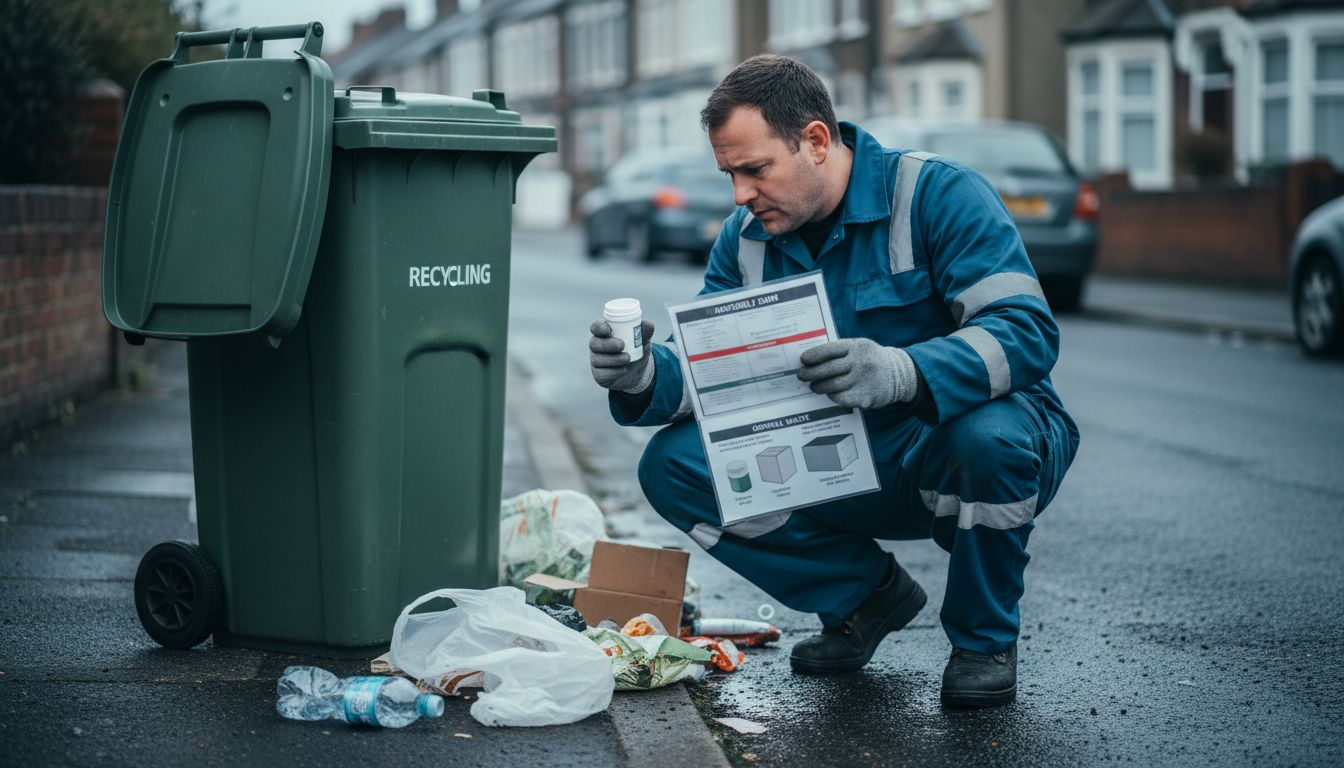
The regulatory landscape surrounding nicotine pouch disposal remains remarkably underdeveloped. Manufacturers are currently not legally required to provide comprehensive guidance on proper disposal methods, leaving consumers uncertain about how to responsibly discard these products. This regulatory gap means that many pouches end up in general waste streams or, worse, as environmental litter, potentially contributing to microplastic pollution and long-term environmental degradation.
Environmental researchers have highlighted the urgent need for a structured approach to managing nicotine pouch waste. The complex material composition of these products, which includes synthetic fibres, nicotine-infused powders, and mixed packaging materials, makes traditional recycling processes challenging. Local waste management facilities often lack the specialised infrastructure required to process these items effectively, resulting in significant quantities of non-recyclable waste being generated with each pouch’s consumption.
Pro tip: Contact your local waste management authority to understand the specific disposal requirements for nicotine pouch packaging in your area.
Comparing Environmental Impact With Cigarettes
Environmental assessments reveal significant differences in the ecological footprint between nicotine pouches and traditional cigarettes. Comparative environmental studies demonstrate that while both products pose environmental challenges, cigarettes generate substantially more pollution through multiple mechanisms. Traditional cigarettes release harmful toxins during combustion, produce widespread litter from discarded butts, and create extensive air pollution that nicotine pouches entirely avoid.
The primary environmental distinctions emerge in waste generation and chemical emissions. Cigarette butts represent one of the most prevalent forms of global litter, containing plastic filters that can take decades to decompose. These filters leach toxic chemicals into soil and water systems, creating long-term environmental contamination. In contrast, nicotine pouches generate smaller, more contained waste streams, though they still contribute to plastic pollution through their packaging and synthetic materials.
Waste volume and toxicity present another critical comparison point. Cigarette smokers typically consume multiple cigarettes daily, creating consistent waste and repeated environmental damage. Nicotine pouches, while not entirely environmentally neutral, generate less frequent waste and eliminate the direct environmental degradation associated with smoke emissions. The synthetic materials in pouches, though problematic, represent a more controlled environmental challenge compared to the widespread pollution caused by cigarette consumption.
This table compares key environmental differences between nicotine pouches and cigarettes:
| Criteria | Nicotine Pouches | Traditional Cigarettes |
|---|---|---|
| Smoke Emissions | None | Releases toxins |
| Main Waste Product | Synthetic fibre pouch | Plastic filter butt |
| Litter Risk | Lower, more contained | High, widespread |
| Chemical Residue | Minimal, in pouch form | Toxic leaching |
Pro tip: Consider the cumulative environmental impact of your nicotine consumption and explore responsible disposal methods for all nicotine-related products.
Sustainability Innovations and Consumer Actions
The United Kingdom is witnessing emerging regulatory discussions focused on creating more sustainable frameworks for nicotine product consumption. Tobacco and Vapes Bill proposals are actively exploring mechanisms to introduce packaging standards, marketing controls, and environmental considerations that could significantly transform the nicotine product landscape. These potential regulations aim to encourage manufacturers to develop more environmentally responsible packaging and disposal solutions.
Consumer actions play a crucial role in driving sustainability within the nicotine pouch ecosystem. Individuals can contribute by making informed choices about product selection, prioritising brands demonstrating genuine environmental commitment. This might involve supporting manufacturers who utilise recyclable packaging, implement take-back programmes, or invest in developing biodegradable pouch materials. Responsible disposal practices, such as separating pouch packaging from general waste and exploring local recycling options, represent immediate steps consumers can undertake to minimise environmental impact.
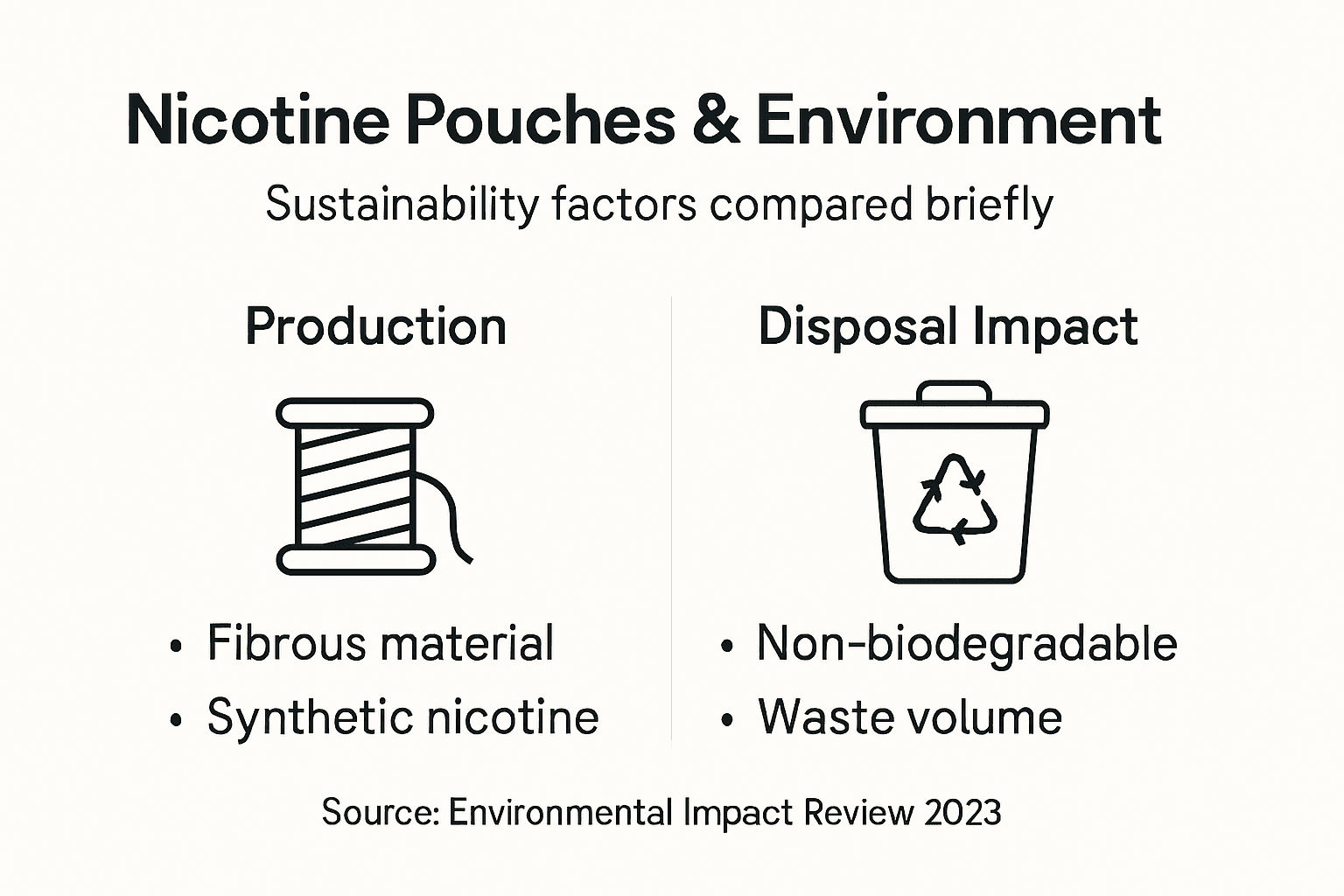
Technological innovations are gradually emerging to address the environmental challenges associated with nicotine pouches. Research and development efforts are increasingly focused on creating more sustainable materials, exploring biodegradable alternatives to current synthetic fibres, and designing packaging solutions that reduce plastic waste. Some forward-thinking manufacturers are experimenting with plant-based materials, carbon-neutral production processes, and circular economy principles to transform the environmental profile of nicotine pouch products.
Pro tip: Contact local recycling centres to understand specific guidelines for disposing of nicotine pouch packaging in your area.
Choose Environmentally Mindful Nicotine Pouches Without Sacrificing Flavour or Convenience
The environmental impact of nicotine pouches raises important concerns about waste and sustainability. At Hitsnus.com, we understand your desire to enjoy smokeless, discreet nicotine products while being mindful of ecological footprints. That is why our selection features a variety of options including exciting Spicy Nicotine Pouches – Heat-Infused Flavor Hits Hard and the smooth, refreshing White Fox Pouches: Smooth, Strong & Refreshing – HitSnus. By choosing from reputable brands and exploring packaging responsibly, you can balance enjoyment with eco-conscious decisions.

Take control of your nicotine consumption today with products designed for discreet use and lower environmental inconvenience. Visit Hitsnus.com now to browse our wide range and find flavours that suit both your taste and your values. Make your next nicotine choice a positive step towards sustainability.
Frequently Asked Questions
What are nicotine pouches and how do they work?
Nicotine pouches are smokeless, tobacco-free products containing nicotine that are placed under the upper lip, allowing for gradual absorption through the gum without any smoke or vapour.
What are the environmental concerns associated with nicotine pouches?
Nicotine pouches raise environmental concerns due to their non-biodegradable synthetic fibres, plastic and cardboard packaging, and the potential for contributing to single-use plastic waste in landfills.
How do nicotine pouches compare environmentally to traditional cigarettes?
While both nicotine pouches and cigarettes present environmental challenges, cigarettes generate more pollution through smoke emissions, toxic leaching from plastic filters, and widespread littering, whereas nicotine pouches produce more contained waste streams.
What can consumers do to improve the sustainability of their nicotine pouch usage?
Consumers can make informed choices by supporting brands with recyclable packaging, participating in take-back programmes, and properly disposing of nicotine pouch packaging by checking local recycling options.