




Nicotine pouch storage tips for 3 months longer freshness
Improper storage destroys your nicotine pouches faster than you think. Nicotine potency reduces by approximately 40% after 1 week at 30°C compared to cooler conditions. Up to 60% of users report at least one storage error leading to degraded freshness. This guide teaches you proven methods to preserve pouch quality, flavor, and potency for months longer than typical storage habits allow.
Table of Contents
- Prerequisites: What You Need Before Storing Nicotine Pouches
- Ideal Storage Conditions: Temperature, Humidity, And Location
- Storage Containers And Packaging Best Practices
- Alternative Storage Methods And Their Tradeoffs
- Common Mistakes And Troubleshooting Storage Problems
- Expected Results And Success Metrics
- Enhance Your Nicotine Pouch Experience With Hit Snus Products
- Frequently Asked Questions
Key takeaways
| Point | Details |
|---|---|
| Temperature matters | Store pouches in cool, dry places or refrigerated to extend freshness significantly. |
| Seal properly | Use original sealed tins or airtight containers to prevent moisture loss and contamination. |
| Avoid hazards | Keep away from heat, sunlight, high humidity, and never mix old with new pouches. |
| Rotate stock | Regularly rotate inventory and discard expired or dry pouches for optimal quality. |
| Extend lifespan | Proper storage can extend pouch usability by up to 3 months beyond typical shelf life. |
Prerequisites: what you need before storing nicotine pouches
Before implementing effective storage strategies, prepare the right environment and tools. Success depends on having proper conditions ready from day one.
First, identify a cool, dry location with stable temperature below 25°C and humidity under 60%. Your storage area determines how long your pouches stay fresh. Bathrooms and cars create terrible environments due to fluctuating temperature and moisture levels.
Keep pouches in original sealed tins whenever possible. These containers are specifically designed to maintain optimal moisture levels. If you’ve lost the original packaging, invest in airtight containers with proper seals to prevent air exposure.
Understand how environmental factors degrade quality. Heat accelerates chemical breakdown of nicotine. Sunlight damages flavor compounds. Humidity either dries out pouches or promotes mold growth. Using a cool dry place away from direct sunlight and humidity is the simplest effective preservation method.
Essential storage prerequisites include:
- Temperature controlled space maintaining 15°C to 25°C consistently
- Original tins with intact seals or quality airtight replacement containers
- Dark or shaded area away from windows and heat sources
- Low humidity environment under 60% relative humidity
- Clean storage space free from contaminants and strong odors
Pro Tip: Use a hygrometer thermometer combination device to monitor storage conditions precisely. These inexpensive tools help you verify your storage area maintains ideal parameters year round.
Before you store nicotine pouches for maximum freshness, check your storage location meets these requirements. Following proper nicotine pouch usage workflow starts with correct storage habits. Review the complete nicotine pouch user guide for additional preparation details.
| Storage factor | Requirement | Impact |
|---|---|---|
| Temperature | Below 25°C | Slows nicotine degradation |
| Humidity | Under 60% | Prevents moisture issues |
| Light exposure | Dark/shaded | Preserves flavor compounds |
| Container seal | Airtight | Maintains pouch moisture |
Ideal storage conditions: temperature, humidity, and location
Optimal environmental conditions dramatically extend nicotine pouch lifespan. Small adjustments to where and how you store pouches create measurable freshness differences.
Refrigeration provides the best preservation results. Nicotine pouches should be stored in cool, dry conditions between 2°C and 8°C to preserve freshness and prevent breakdown. Cold temperatures slow chemical reactions that degrade nicotine and flavor compounds.
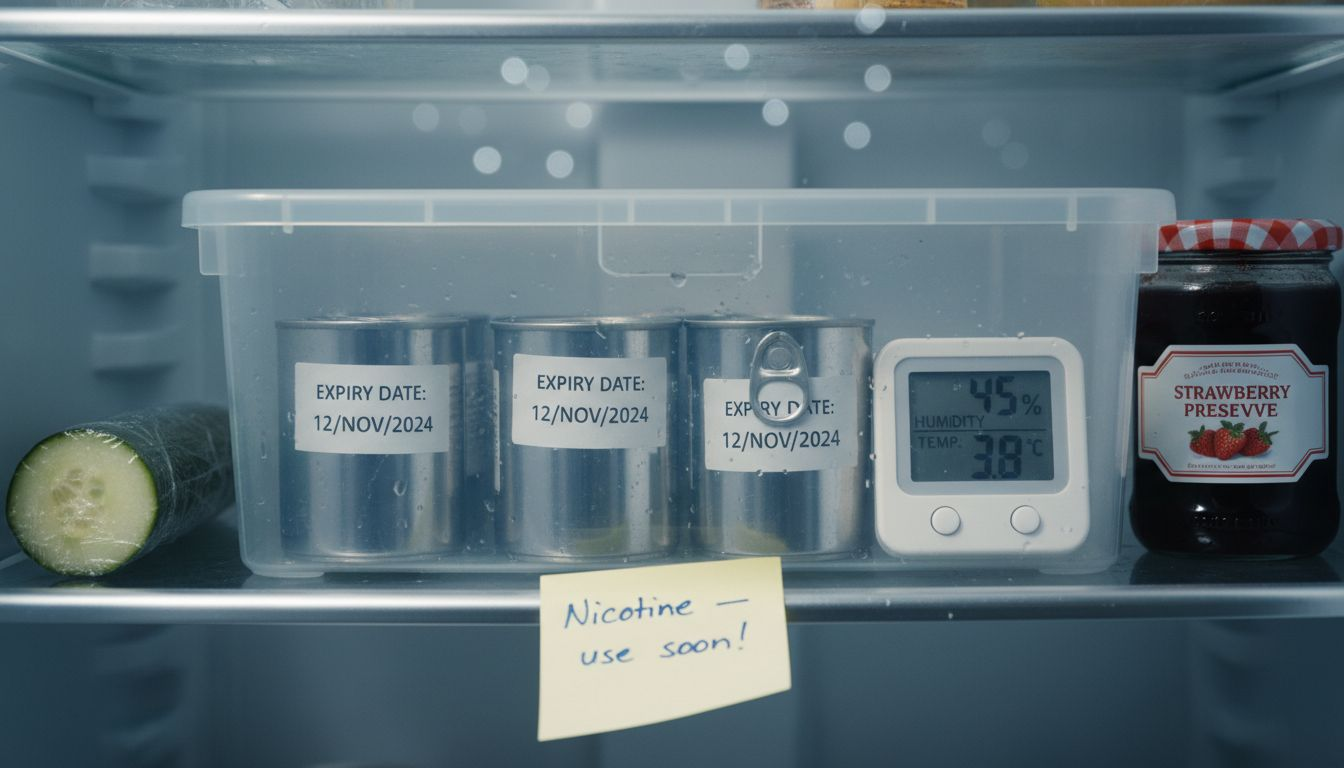
Room temperature storage works if you maintain cooler conditions. Keep your storage area below 25°C consistently. Higher temperatures accelerate nicotine breakdown and moisture loss. Every 10°C increase roughly doubles the degradation rate.
Humidity above 60% significantly increases risk of pouch degradation. Excessive moisture promotes mold growth and changes pouch texture. Too little humidity dries pouches out, making them brittle and less effective.
Worst storage locations to avoid:
- Bathrooms with shower steam and temperature swings
- Cars where interior temperatures reach 50°C or higher
- Window sills receiving direct sunlight exposure
- Near heating vents or radiators
- Outdoor sheds or garages with no climate control
Best storage locations include:
- Refrigerator vegetable drawer or door shelf
- Cool pantry or cupboard away from appliances
- Bedroom dresser drawer in climate controlled space
- Dedicated storage box in cool basement area
Pro Tip: Keep storage area dark or shaded to prevent flavor deterioration from light exposure. Even indirect sunlight gradually breaks down flavor molecules over weeks and months.
Follow these ideal storage conditions to maximize pouch quality. Understanding proper nicotine pouch usage frequency helps you plan storage needs. Check fridge requirements if choosing refrigerated storage.
| Condition | Optimal range | Acceptable range | Poor range |
|---|---|---|---|
| Temperature | 2°C to 8°C | 15°C to 25°C | Above 25°C |
| Humidity | 40% to 50% | 30% to 60% | Above 60% or below 20% |
| Light | Complete darkness | Indirect light only | Direct sunlight |
Storage containers and packaging best practices
Proper packaging creates the final barrier protecting your nicotine pouches from environmental damage. Container choice matters as much as storage location.
Always keep pouches in original sealed tins when possible. Manufacturers design these containers specifically to maintain ideal moisture levels and protect contents. The seal prevents air exchange that dries pouches or introduces contaminants.
If original containers are damaged or lost, choose airtight resealable containers designed for moisture retention. Small glass or plastic containers with rubber gasket seals work well. Avoid containers with loose fitting lids that allow air circulation.
Never mix new and old pouches in the same container. This practice causes uneven freshness and potential cross contamination. Older pouches may have begun degrading, and mixing spreads moisture imbalances throughout your supply.
Proper container sealing reduces moisture loss by up to 75%, preserving flavor and nicotine potency.
Sealed packaging reduces moisture loss by up to 75% compared to unsealed containers. This dramatic difference explains why properly sealed pouches stay fresh months longer than carelessly stored ones.
Close tins fully after each use. Even brief air exposure during the day gradually dries pouches. Make closing tins a habit every time you take a pouch. The extra second of effort prevents weeks of freshness loss.
Packaging best practices:
- Inspect tin seals regularly for damage or wear
- Transfer pouches to backup containers only when necessary
- Keep one tin open for daily use, store extras sealed
- Avoid overfilling containers which prevents proper sealing
- Clean container interiors monthly to remove residue buildup
Learn more about storage containers for nicotine pouches and review nicotine pouch packaging best practices for detailed guidance.
Alternative storage methods and their tradeoffs
Beyond standard storage approaches, refrigeration and other methods offer distinct advantages and disadvantages. Understanding these tradeoffs helps you choose what fits your situation best.
Refrigeration slows chemical degradation and moisture loss significantly. Proper refrigeration can extend pouch usability by up to 3 months beyond room temperature shelf life. The consistent cool temperature between 2°C and 8°C preserves nicotine potency and flavor compounds longer than any room temperature option.
However, refrigeration requires careful hygiene practices. Store pouches in sealed containers to prevent absorbing food odors. Maintain consistent temperatures by avoiding frequent door openings near pouch storage. Temperature fluctuations from repeated warming and cooling damage pouch quality.
Freezing is not recommended despite seeming logical. Freezing temperatures damage pouch structure and moisture distribution. Ice crystals form within pouch material, creating texture problems when thawed. Frozen pouches often become unpleasantly dry or mushy after returning to normal temperature.
Room temperature storage offers maximum convenience. You can keep a small supply readily accessible without refrigeration hassle. This works well for pouches you’ll use within two weeks. Beyond that timeframe, room temperature storage above 25°C noticeably shortens freshness.
| Storage method | Temperature | Pros | Cons |
|---|---|---|---|
| Refrigeration | 2°C to 8°C | Maximum freshness extension, slows all degradation | Requires space, needs hygiene care, may affect texture |
| Room temperature | 15°C to 25°C | Convenient access, no prep needed | Shorter shelf life, faster degradation above 20°C |
| Freezing | Below 0°C | Long term preservation | Damages texture, creates moisture issues, not recommended |
Pro Tip: When refrigerating, use sealed containers and avoid frequent temperature fluctuations by keeping pouches toward the back of the fridge away from the door.
Explore alternative nicotine pouch storage methods and read about refrigeration benefits for nicotine pouches for additional storage strategies.
Common mistakes and troubleshooting storage problems
Even experienced users make storage errors that compromise pouch quality. Recognizing these mistakes helps you avoid unnecessary freshness loss.
Leaving tins open or unsealed ranks as the most frequent error. Up to 60% of nicotine pouch users report at least one storage error leading to degraded freshness. Open containers expose pouches to air, rapidly drying them out and reducing nicotine delivery effectiveness.
Storing pouches in warm or humid locations accelerates degradation. Many users keep tins in pockets, cars, or bathrooms without considering temperature impacts. These environments create the worst possible conditions for preservation.
Mixing old and new pouches causes uneven freshness throughout your supply. Older pouches have already lost moisture and potency. Combining them with fresh pouches spreads degradation and makes it difficult to identify which pouches remain at peak quality.
Common storage mistakes include:
- Forgetting to reseal tins after taking a pouch
- Leaving supplies in hot cars during errands
- Storing backup inventory in humid basements
- Using damaged containers with broken seals
- Ignoring expiration dates on older tins
Solutions for these problems:
- Make closing tins a reflexive habit after each use
- Store only daily supply in pockets, keep main inventory at home
- Use dehumidifiers in storage areas above 60% humidity
- Replace damaged containers immediately
- Rotate stock regularly using first in, first out method
Pro Tip: Label your pouches with purchase or opening dates to help with rotation. This simple practice ensures you always use oldest stock first, preventing waste from expired pouches.
Avoid common nicotine pouch storage mistakes by learning from nicotine pouch user storage errors documented in recent research.
Expected results and success metrics
Proper storage produces measurable improvements in pouch quality and user satisfaction. Knowing what success looks like helps you verify your methods work effectively.
Fresh nicotine pouches feel soft and moist with moisture levels around 20% to 25%. Well stored pouches maintain this texture throughout their usable life. When you open a properly stored tin, pouches should never feel dry, brittle, or crumbly.
Consistent nicotine delivery signals good storage practices. Each pouch should provide similar strength and duration of effect. Pouches retain soft, moist texture and consistent nicotine hit when stored properly. Weakening effects over time indicate storage problems.
Vibrant flavor preservation confirms your storage environment works correctly. Fresh pouches deliver full intended flavor profiles. Faded or altered tastes suggest exposure to heat, light, or excessive air circulation.
Refrigeration can extend freshness by up to 3 months without degradation. This extension means pouches bought in bulk remain usable much longer, saving money and ensuring consistent quality.
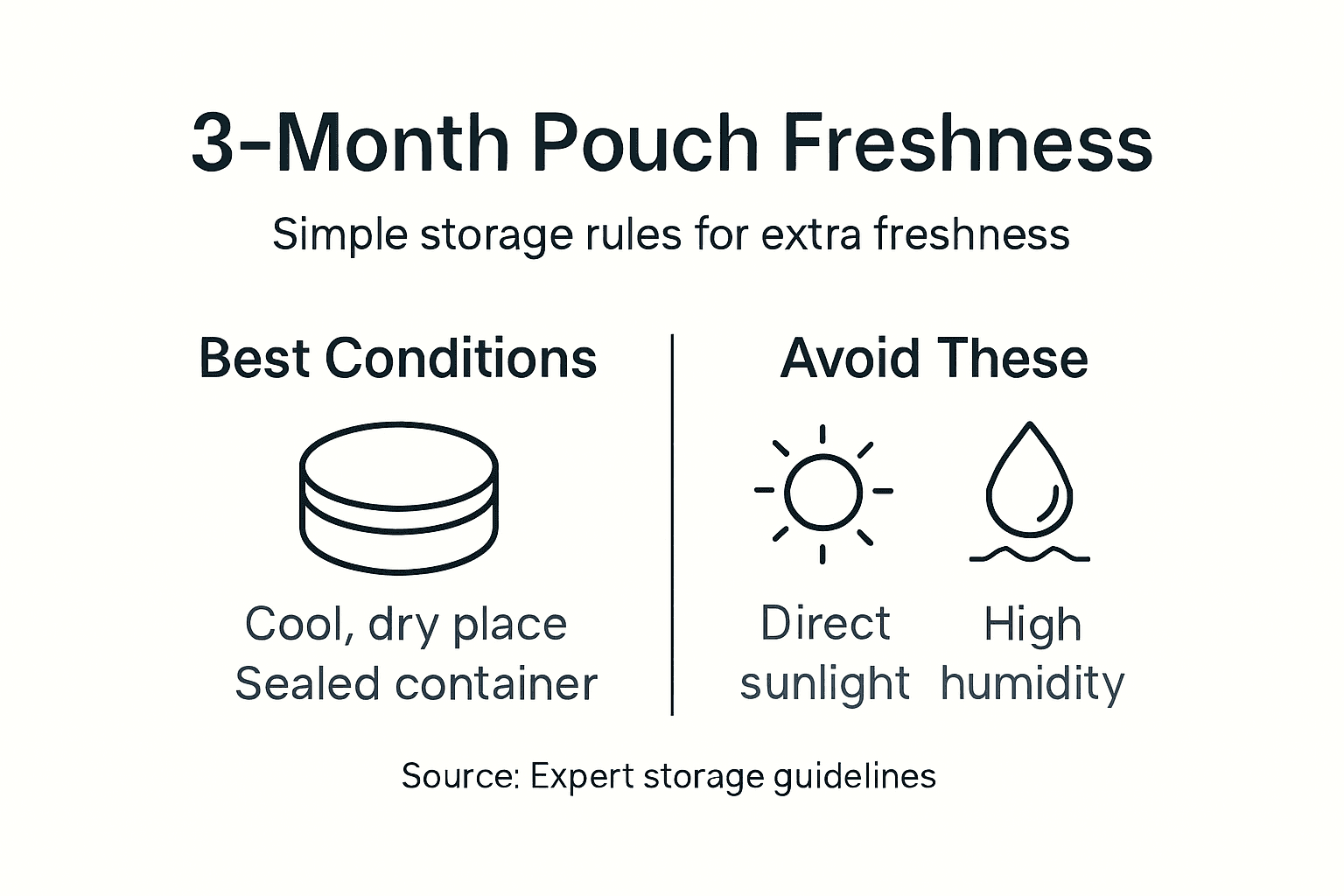
Discard dried or brittle pouches immediately. These show visible degradation with compromised nicotine delivery and flavor. Using degraded pouches provides poor experience and wastes money on ineffective products.
Success indicators:
- Pouches maintain soft, pliable texture throughout storage period
- Flavor intensity matches fresh product consistently
- Nicotine delivery remains steady across entire tin
- No visible discoloration or unusual odors develop
- Pouches remain usable until printed expiration date
Tracking pouch freshness lets you maximize product value and satisfaction. Regular quality checks confirm your storage methods preserve the experience you expect. Review nicotine pouch freshness indicators for detailed quality assessment guidance.
Enhance your nicotine pouch experience with Hit Snus products
Now that you understand how to store nicotine pouches for peak freshness, explore Hit Snus’s premium selection designed for discerning users.

Discover a wide range of nicotine pouches tailored to your preferences at Hit Snus. Our carefully curated collection includes popular brands like ZYN, Velo, and FUMI, each offering distinct flavor profiles and nicotine strengths. Learn more about the benefits of nicotine pouches and explore different types of nicotine pouches to find your perfect match. Shop conveniently online with fast, discreet shipping across the United States. Buy nicotine pouches online today and experience the quality difference proper storage preserves.
Frequently asked questions
How should I store nicotine pouches when traveling?
Use airtight portable containers to protect pouches from heat and moisture during travel. Avoid leaving pouches in cars or direct sunlight for extended periods, as interior temperatures can exceed 50°C and rapidly degrade quality. Keep only a day’s supply on hand to reduce exposure risks. For longer trips, consider small insulated containers that maintain cooler temperatures. Review nicotine pouch travel storage tips for additional guidance on maintaining freshness while away from home.
Can I store nicotine pouches in the freezer to extend shelf life?
Freezing is not recommended as it damages pouch structure and moisture content. Ice crystals form within the pouch material, creating texture problems and uneven moisture distribution when thawed. Refrigeration between 2°C and 8°C is a safer cold storage option that extends shelf life without compromising pouch integrity or user experience.
How can I tell if my nicotine pouches have gone bad?
Look for dry, brittle texture instead of the soft, moist feel of fresh pouches. Noticeable loss of flavor intensity and weaker or inconsistent nicotine delivery indicate degradation. Presence of unusual odor, discoloration, or mold growth signals spoilage requiring immediate disposal. Fresh pouches maintain consistent moisture, vibrant flavor, and reliable nicotine effects throughout their usable life.