












Why Smokers and Vapers Still Break the Rules in Smoke-Free Spaces (and Where Nicotine Pouches Fit In)
Share
Smoke-free laws have been around for years. Most people know you’re not supposed to light up in offices, on public transport, in shopping centres, or around kids. Yet if you talk to regular smokers and vapers, a different picture emerges: many still sneak “just one” in places where they know they shouldn’t.
Recent survey data from the UK suggests that a clear majority of adult smokers and vapers have, at least once, used nicotine in a banned area, and a chunk of them do it regularly.
This article looks at why that happens, how it makes people feel, and how nicotine pouches are being positioned as a more discreet option for adults who already use nicotine—while still recognising that all nicotine products are addictive and not risk-free.
The reality: old habits vs modern smoke-free rules
For many long-term smokers and vapers, nicotine isn’t just a product; it’s part of a routine:
-
A cigarette on the train platform before work
-
A vape in the car park or outside the shop
-
“Just a quick puff” in a hotel bathroom or on the balcony
The UK survey of 1,000 adults who smoke or vape found that:
-
A large share had smoked or vaped in places like train stations, parks/playgrounds, beaches, shopping centres, buses, gyms and hotel rooms at least once.
-
Some admitted doing this several times a week or even daily.
In other words, knowledge of the rules doesn’t always translate into behaviour. When nicotine cravings hit, people often fall back on autopilot.
Why do people still break the rules?
Several themes come up again and again when smokers and vapers explain why they bend smoke-free rules:
-
Habit and muscle memory
If you’ve spent years reaching for a cigarette or vape at certain times or in certain places, your brain quickly associates those contexts with nicotine. Even when the sign says “No smoking” or “No vaping”, the pull of habit can be strong. -
Stress, boredom and triggers
Delayed trains, long commutes, stressful shifts, nights away in hotels—these are all triggers. In those moments, people often prioritise immediate relief over the risk of a fine or a dirty look. -
“It’s just a quick one” thinking
Many assume that one quick cigarette or a few puffs on a vape won’t really bother anyone, especially if they’re outdoors or trying to be discreet. That assumption doesn’t always match how others feel, particularly in crowded spaces or around children. -
Social and regional norms
The Two Wombats survey suggests that rule-breaking and feelings of guilt can vary by region. In some areas, it’s more socially “normal” to bend the rules; in others, people feel more conflicted but still do it anyway.
The guilt factor: it’s not just about fines
When people talk about smoking or vaping where they shouldn’t, they rarely focus only on fines or enforcement. They also mention:
-
Worrying about children breathing in smoke or vapour
-
Feeling embarrassed when someone calls them out
-
Guilt about ignoring rules everyone else is following
-
The feeling of being “that person” breaking the social contract
In short, rule-breaking can create a messy mix of craving, convenience and conscience. Many smokers and vapers don’t want to upset others—they just don’t see a practical alternative at the moment.
Where nicotine pouches come in
This is where nicotine pouches are being marketed as a more considerate option for adult smokers and vapers who aren’t ready or able to quit nicotine altogether.
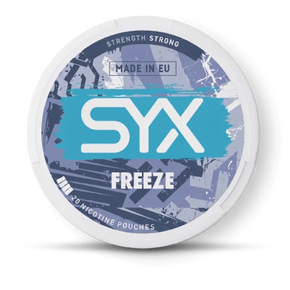
Nicotine pouches are small, white pouches that sit under the lip and deliver nicotine without smoke or vapour. They’re usually made from plant-based or cellulose fibres, flavourings, and nicotine, with no tobacco leaf in the pouch itself.
Because there’s no combustion and no visible aerosol:
-
There’s no secondhand smoke and no cloud of vapour.
-
There’s no lingering smell on clothes, hair or hotel rooms.
-
They can be used discreetly, without drawing attention.
That doesn’t mean pouches are harmless—they still contain nicotine, which is addictive and can have health effects, and they are intended only for adult nicotine users.
But compared with lighting up a cigarette or blowing vapour in a crowded space, they can fit better with smoke-free rules and social expectations, where local law permits.
Smarter choices in smoke-free settings
For adult smokers or vapers who struggle in restricted areas, a more “rule-friendly” routine might look like:
-
Planning for cravings in advance
-
Knowing when you’ll be on planes, trains, buses, or in meetings for long periods
-
Having a pre-decided plan (for example: using pouches or approved nicotine-replacement products instead of reaching for a cigarette or vape)
-
Respecting local laws and policies
-
Some places may restrict all nicotine products, including pouches.
-
Always follow the specific rules of workplaces, transport operators, hotels and public spaces.
-
Using discreet formats where allowed
-
If the rules allow, smoke-free and vapour-free options (like pouches or licensed nicotine-replacement therapy) may be less intrusive for people around you than smoking or vaping.
-
Thinking about people nearby
-
Children, people with respiratory conditions, and those who simply don’t want to be exposed to smoke or vapour have the right to feel comfortable too.
Not ready to quit nicotine? You still have options.
Health organisations consistently emphasise that fully quitting nicotine and tobacco is the best option for health. If you’re thinking about that step, talking with a healthcare professional or a stop-smoking service can help you find a method that fits you—whether that’s prescription medication, licensed nicotine-replacement therapy, behavioural support, or a combination.
But in reality, many adults aren’t ready to quit yet. For those people:
-
Switching away from smoked tobacco can still reduce exposure to many harmful chemicals found in smoke.
-
Moving from visible smoke and vapour to more discreet formats (like pouches) can reduce conflicts with smoke-free rules and social norms—again, where legal and appropriate.
The key point is that all nicotine products carry risks, and none are suitable for children, teenagers, or people who don’t already use nicotine.
Final thoughts
Many smokers and vapers still bend the rules in smoke-free spaces, then feel guilty afterwards. Nicotine pouches are one of the tools now being promoted to adult nicotine users who want to:
-
Respect smoke-free rules
-
Avoid bothering people with smoke or vapour
-
Still manage their cravings in a discreet way
They’re not a magic fix and they’re not risk-free—but for adults who would otherwise be sneaking a cigarette or vape where they shouldn’t, they can be a more considerate option, as long as local laws and policies are followed.