





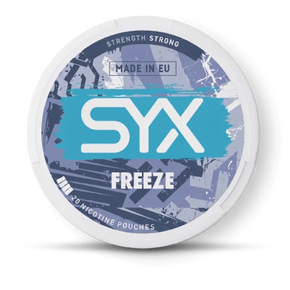







Harvest-Fresh Flavours: Tracing the Origins of Mint, Citrus & Coffee in the UK Pouch Market
Share
Mint, citrus and coffee are the UK pouch scene’s most familiar flavour families because they’re consistent, widely sourced, and easy to recognise. Mint delivers a cooling “lift,” citrus brings tart brightness, and coffee offers rounded, roasted depth. Below, we unpack how these flavours are sourced, how they’re made into food-grade flavourings, and what to look for when choosing a pouch.
Why these three flavours lead the UK market
Across UK shelves, three flavour families show up again and again:
-
Mint for clean, cooling freshness that many adults already associate with toothpaste, gum and breath mints.
-
Citrus (lemon, lime, orange, bergamot) for an immediate, zesty top note.
-
Coffee for warm, roasted aromatics that feel familiar to Britain’s coffee-loving consumers.
Beyond taste, they’re popular because supply chains are mature, quality is consistent, and the flavours stay stable in finished products when correctly formulated.
Mint: from field to flavour
Where it starts. Peppermint and spearmint are grown widely (UK, Europe, North America, and Asia). After harvest, mint is typically steam-distilled to produce essential oils rich in compounds like menthol (cooling, minty) and carvone (sweet-spearmint).
How it becomes a pouch flavour. Flavour houses blend natural extracts and nature-identical molecules to hit a consistent profile—“icy,” “sweet mint,” or “herbal mint.” Micro-encapsulation or carrier solvents help the flavour disperse evenly in pouch fillings.
Taste notes you’ll see on labels
-
Peppermint: sharper, icier; often feels “stronger.”
-
Spearmint: rounder, sweeter; a gentler cool.
-
Eucalyptus/menthol blends: extra-cooling, “winter fresh” vibe.
What to look for
-
If you like an intense “cool,” pick peppermint/menthol blends.
-
If you want smooth and sweet, choose spearmint or “sweet mint.”
-
For subtlety, look for “herbal mint” or “mint + berry” blends.
Citrus: sun-bright top notes
Where it starts. Citrus oils are pressed or distilled from peels—primarily lemon and orange (commonly sourced from Spain, Italy, and other Mediterranean producers), plus lime and bergamot for more niche notes.
How it becomes a pouch flavour. Blenders standardise natural variability and often add stabilisers so lemon-lime brightness doesn’t fade. You’ll see citrus paired with mint for a crisp, gym-friendly flavour, or with berry/tropical notes for a sweeter profile.
Taste notes
-
Lemon/Lime: tart, sparkling; reads “clean.”
-
Orange/Tangerine: sweeter, rounder; good for all-day use.
-
Bergamot: aromatic, tea-like (think Earl Grey).
What to look for
-
If you enjoy a “freshly brushed” feel without mint, go lemon or lime.
-
Prefer softer edges? Try orange-based blends.
-
Want something adult and aromatic? Seek “citrus + bergamot.”
Coffee: roasted and comforting
Where it starts. Coffee flavours are inspired by beans grown globally (Brazil, Colombia, Ethiopia, Vietnam and beyond). Roasting and extraction create familiar notes: chocolate, caramel, nutty, or fruity depending on origin and process.
How it becomes a pouch flavour. Because real coffee volatiles can be delicate, flavourists build a roasted base (think caramelised sugars, pyrazines) and layer espresso-or cappuccino-style accents. Some blends add vanilla, hazelnut, or cocoa notes.
Taste notes
-
Espresso: dark roast, lightly bitter, cacao-like.
-
Cappuccino/Latte: creamier, vanilla-leaning, softer bitterness.
-
Mocha: cocoa-accented; dessert-like.
What to look for
-
Choose darker “espresso” if you love a bold cup.
-
Pick “latte/cappuccino” for a smoother, rounded profile.
-
For evening, dessert-style blends with cocoa or vanilla feel cosy.
How flavourings are made (in brief)
-
Natural extracts & essential oils: steam distillation or cold pressing from plants/peels.
-
Nature-identical molecules: lab-made but chemically identical to compounds found in nature (e.g., menthol, limonene).
-
Blending & standardisation: evens out crop differences so every batch tastes the same.
-
Stability: encapsulation and careful carriers help flavours stay fresh in finished goods.
Labelling, compliance & what it means for you (UK context)
-
Food-grade flavourings: reputable manufacturers use flavourings designed for ingestion; nicotine pouches are an oral, non-combustion product and typically rely on food-grade profiles.
-
Flavour names vs. ingredients: product names describe the experience (“Cool Mint,” “Citrus Ice,” “Coffee Caramel”) rather than listing every molecule.
-
Regulatory note: UK rules can evolve. If compliance matters to you (e.g., retail listings or marketplace approvals), check the latest guidance and manufacturer specs. This article is not legal advice.
Choosing your flavour: quick guide
If you want…
-
Maximum freshness: try peppermint or mint-menthol.
-
Bright, athletic vibes: lemon or lime; mint-citrus combos.
-
Easy all-day: orange or sweet mint.
-
Evening comfort: coffee, mocha, or vanilla-coffee blends.
-
Something different: bergamot-citrus or coffee + caramel.
FAQs
Do “icy” mint pouches feel stronger?
Many adults perceive them as stronger because cooling agents (like menthol) add a sensation, even when the nicotine strength is unchanged.
Are citrus flavours always sour?
Not necessarily. Lemon-lime is bright and tart; orange-based blends are softer and sweeter.
Does coffee taste bitter?
It depends on the style. “Espresso” skews roasty; “latte/cappuccino” reads smoother and sweeter.